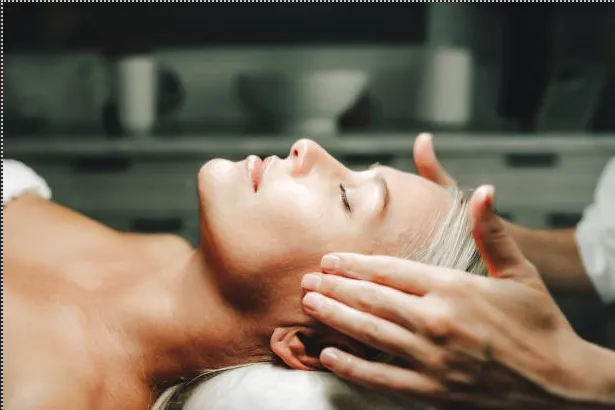

Beauty appointments are becoming less about choosing the same service everyone else receives. More clients want treatments that consider their skin, features, comfort level, lifestyle, and previous results.
That shift is visible across the U.S. beauty market. McKinsey reported that more than one-third of U.S. consumers used beauty and spa services in 2025, compared with 22% in 2023. At the same time, the industry is moving toward greater personalization as consumers become more selective about where they spend their money.
Licensed estheticians fit directly into this change because their work often starts with assessment rather than simply performing a preset treatment. This is helping personalized beauty services become a bigger part of the client experience.
Why Personalized Beauty Services Are Becoming More Popular
Clients Are Realizing That the Same Treatment Does Not Work for Everyone
Skin type, hair growth, sensitivity, facial structure, lifestyle, and beauty goals can vary considerably from one person to another.
Think about waxing services. One client may have coarse hair and sensitive skin, while another may have fine hair but frequent ingrown hairs. Performing the service in exactly the same way for both people may not make sense.
The same applies to facials, brows, and makeup. A treatment becomes more useful when the professional first understands what the client is working with.
This is one reason personalized beauty services are gaining attention. Clients are not simply asking, "What service do you offer?" More often, they want to know, "How will this service work for me?"
Licensed Estheticians Can Assess Before They Treat
Personalization depends on knowing what to look for.
According to the U.S. Bureau of Labor Statistics, skincare specialists typically evaluate clients' skin, discuss suitable treatments, recommend skincare products, perform hair removal, and teach clients how to care for their skin. They must complete a state-approved esthetics or cosmetology program and meet state licensing requirements.
That assessment stage can change the direction of an appointment.
During a skincare consultation, for example, an esthetician may look at dryness, oiliness, visible irritation, sensitivity, current products, and the client's main concerns before suggesting a service.
Personalization does not always mean adding more treatments. Sometimes it means deciding that a particular product, technique, or treatment should be avoided.
Clients Want Results That Fit Their Own Features
Beauty trends are easy to find online, but not every trend suits every person.
A brow shape that works beautifully on one face may look too heavy on another. A makeup style created for studio photography may not feel right for someone planning an outdoor daytime wedding.
That is where professional judgment becomes important.
With bridal makeup, personalization can involve skin preparation, coverage level, color choices, eye shape, lighting, wedding setting, photography, and how comfortable the bride is wearing makeup.
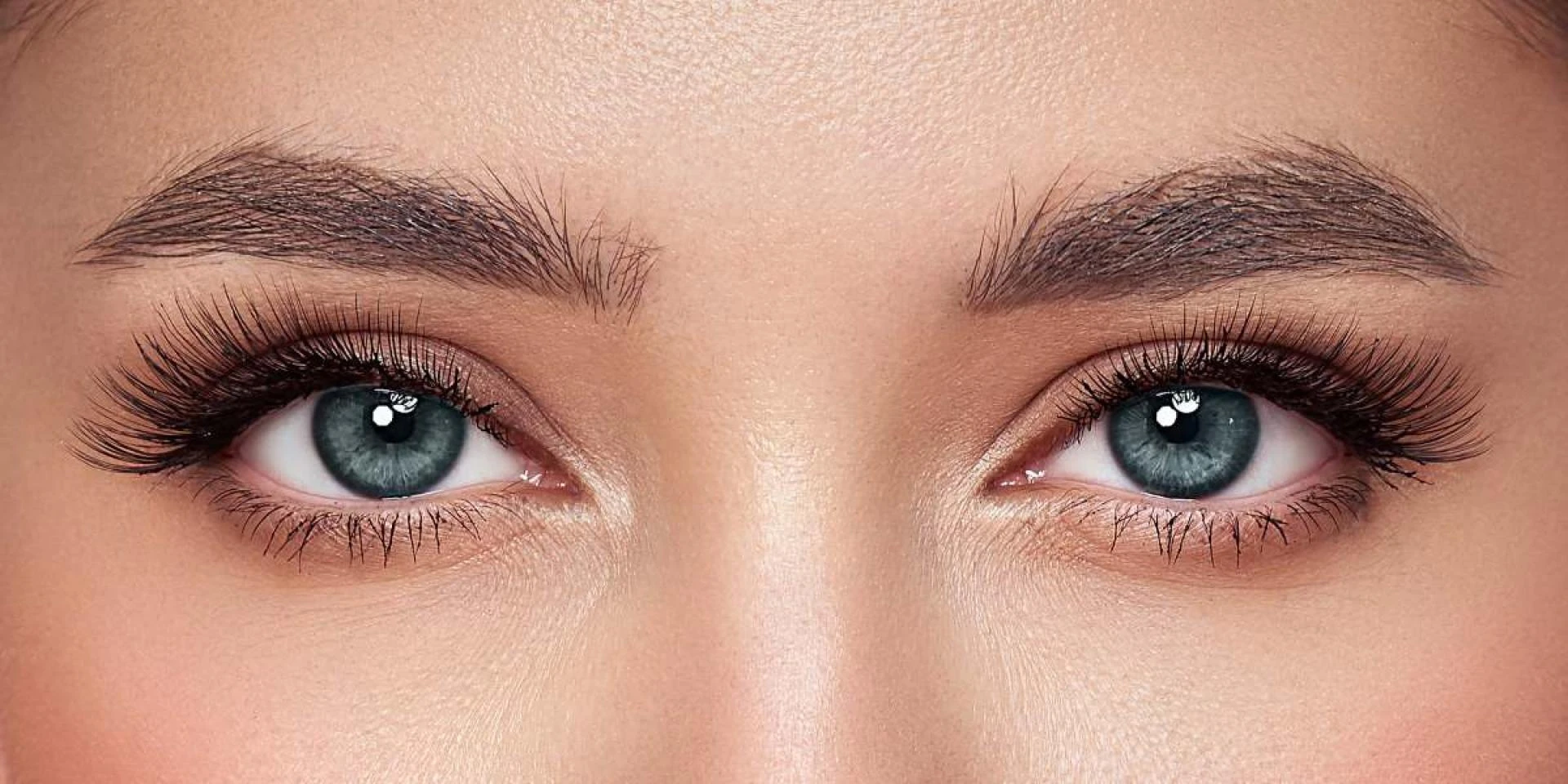
With brows, the professional may consider natural hair growth, facial proportions, existing shape, and how much maintenance the client wants.
The aim of personalized beauty services is therefore not to copy a standard look. It is to adapt the service so that the result makes sense for the person receiving it.
People Are Paying More Attention to Value, Not Just Price
Beauty clients are becoming more selective about what they pay for.
Circana reported in 2025 that U.S. beauty consumers were increasingly focused on efficacy and value, with only 14% believing that a higher price automatically meant better quality.
That same thinking can influence service decisions.
A personalized appointment can feel more worthwhile because the service has a clear reason behind it. Instead of receiving every available add-on, the client can understand what is being recommended, why it may help, and whether it fits their goals.
A more expensive appointment is not necessarily more personalized. The value comes from making informed choices rather than simply doing more.
Longer-Term Services Make Personalization Even More Important
Some beauty decisions last far longer than a facial or makeup application.
Microblading services, for example, involve choosing details such as brow shape, thickness, pigment tone, and stroke placement. These decisions cannot be approached in the same casual way as temporary brow makeup.
A person who likes a bold brow may still want a shape that works with their existing hair growth and facial proportions. Someone else may care more about filling a missing tail than changing the overall brow.
The longer a result lasts, the more important it becomes to understand what the client actually wants before treatment begins.
Personalization Can Improve Continuity Between Appointments
An important part of personalized care happens after the first visit.
If a client returns to the same professional, previous reactions and results can help guide future appointments.
Perhaps the wax temperature felt uncomfortable last time. Maybe one part of the skin became irritated after a facial product. A brow color may have faded faster than expected. These observations can help the next service become more suitable.
This turns personalized beauty services into an ongoing process rather than a one-time consultation.
The professional learns more about the client, and the client learns more about how their own skin, hair, or makeup responds.
Clients Also Want Someone Who Knows When Not to Proceed
Personalization is not only about choosing what to do.
Sometimes the most useful decision is postponing or changing a service.
A licensed esthetician may notice active irritation, broken skin, an unexpected reaction, or another issue that makes a planned treatment unsuitable that day. The scope of practice varies by state, and serious skin concerns may need to be referred to an appropriate healthcare professional. The Bureau of Labor Statistics includes recognizing skin conditions and referring clients for serious concerns among the duties associated with skincare specialists.
That judgment adds an important layer to personalized care.
Conclusion
The growth of personalized beauty services reflects a simple change in what many clients expect: they want beauty care that takes their own features, skin, preferences, and past experiences into account.
Licensed estheticians play an important role in that shift because personalization begins before the treatment itself. Good assessment, clear communication, careful service choices, and attention to previous results can turn a standard appointment into one that actually fits the individual.
FAQs
Does Personalized Beauty Always Cost More?
Not necessarily. Personalization refers to how a service is selected or adjusted for the client. It does not automatically mean purchasing extra treatments or premium products.
Should You Tell an Esthetician About Products You Use at Home?
Yes. Skincare products can affect how the skin responds to certain services. Sharing your current routine can help the esthetician make more appropriate treatment choices.
Can Men Book Personalized Esthetician Services?
Yes. Services can be adjusted according to a person's skin, hair growth, concerns, and preferences, regardless of gender.
Can You Request Changes During a Beauty Appointment?
Yes. Clients should communicate if something feels uncomfortable or if their preferences change. Clear feedback gives the professional a better chance to adjust the service when possible.











Sign in to leave a comment.