

Few skin concerns bring people to a dermatologist as often as pigmentation. Dark patches on the cheeks, forehead, or upper lip, uneven skin tone, and stubborn marks left behind by acne all fall under this broad label.
In India, several factors make it more likely. Strong year-round UV exposure, pollution, hormonal changes, and naturally melanin-rich skin all increase the chances of pigment becoming uneven. The result is a concern that many people try to fix on their own, often for years, before seeking professional help.
Not All Pigmentation Is the Same
The first mistake most people make is treating every dark patch the same way. In clinical practice, there are several distinct types:
- Melasma: symmetrical brown or grey-brown patches, usually on the face, often linked to hormones and sun exposure
- Post-inflammatory hyperpigmentation: dark marks left after acne, rashes, or injuries
- Sun-induced pigmentation: freckles and sun spots caused by cumulative UV damage
- Pigmentation from irritation: caused by harsh products, friction, or unsupervised use of strong creams
These can look similar to the untrained eye, but they respond to different treatments. A product that helps one type can make another worse. That is why an accurate diagnosis matters more than any single product or procedure.
Five Reasons Pigmentation Returns
If your pigmentation fades and then comes back, one or more of these is usually the reason.
1. The cause was never addressed. Treating only the visible patch while ignoring triggers such as sun exposure, hormonal shifts, or ongoing inflammation leaves the door open for relapse.
2. Sun protection is inconsistent. UV exposure, and for some people even visible light, can reactivate pigment-producing cells. Even the best treatment can be undone by a few unprotected weeks.
3. Random creams and home remedies. Lemon juice, DIY bleaching mixtures, and unsupervised steroid-containing creams can irritate the skin barrier, trigger more pigmentation, and cause other problems.
4. Treatment stops too early. Pigmentation improves gradually. Many people stop once the patch lightens, before the skin has stabilised.
5. Unrealistic expectations. Melasma in particular is a long-term condition that is managed, not cured overnight. Understanding this helps people stay consistent.
What a Proper Treatment Plan Looks Like
A good plan starts with examining your skin, understanding your history, and identifying the type of pigmentation. From there, the approach is usually layered:
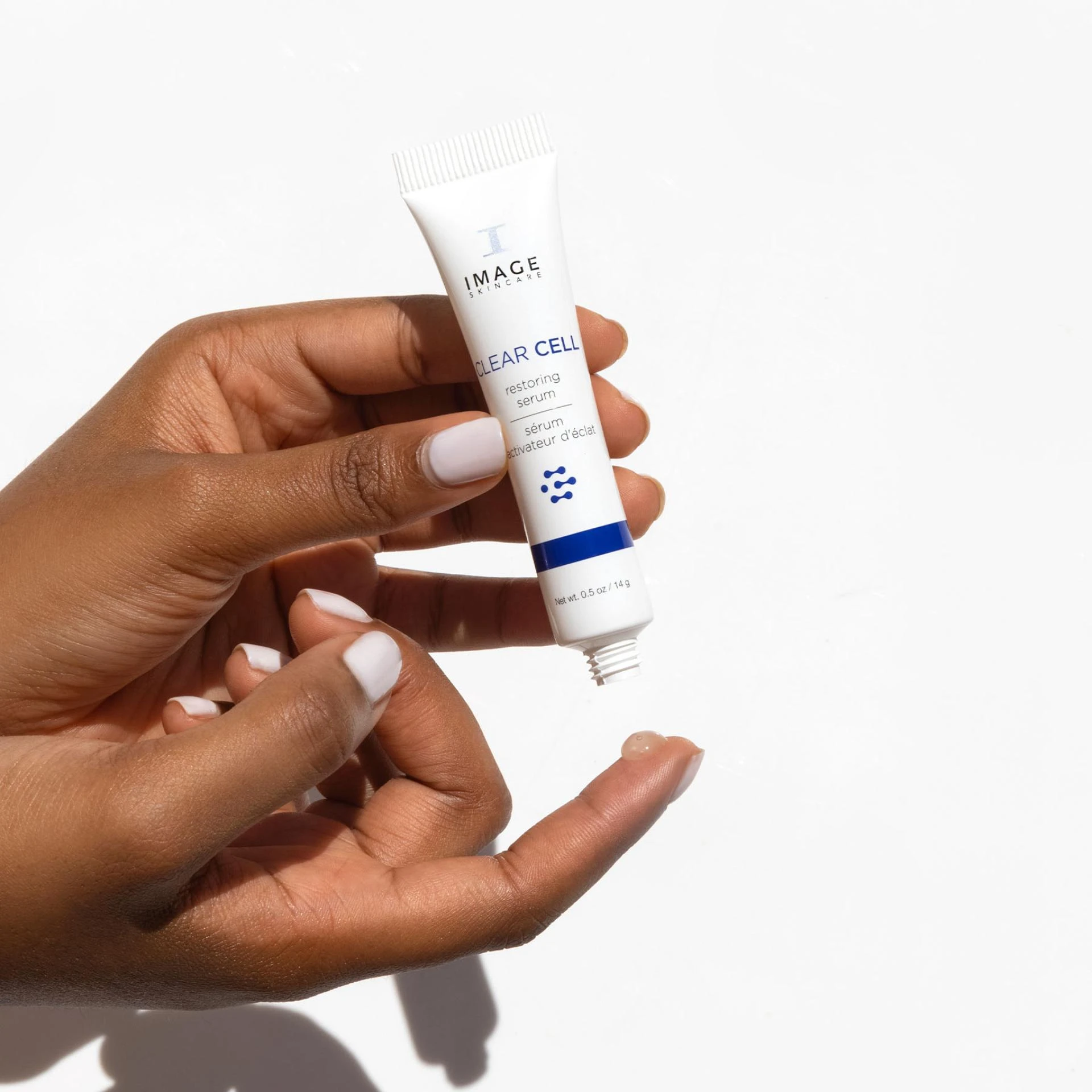
- Medical-grade topical treatments prescribed for your skin type and the nature of your pigmentation
- Chemical peels where appropriate, to support skin renewal
- Laser-based options for selected cases, when assessed as suitable
- Daily sun protection and a gentle, barrier-friendly routine at home
- Regular follow-ups so the plan can be adjusted as your skin responds
If you are searching for the best pigmentation and melasma treatment in Ahmedabad, look for a clinic that builds the plan around your diagnosis rather than offering a one-size-fits-all package.
The Role of Technology
Technology has widened the options available to dermatologists. For selected patients, advanced laser skin treatment in Ahmedabad can be a useful part of a broader plan. The key word is selected. Lasers are not right for every skin type or every kind of pigmentation, and used incorrectly they can worsen discolouration. This is why the decision should always follow a proper consultation.
Choosing the Right Dermatologist
When your skin is involved, who you consult matters as much as what you are treated with. Here is a simple checklist:
- Does the doctor explain the diagnosis clearly before recommending treatment?
- Are the options, timelines, and limitations discussed honestly?
- Is there a clear follow-up plan?
- Is the clinic convenient enough that you can realistically attend follow-ups?
That last point is underrated. Pigmentation care is a series of visits, not a single appointment. Patients looking for the best dermatologist in Ahmedabad for skin and hair often find that a clinic close to home makes it far easier to stay on track.
For residents of the north-west part of the city, a genuine dermatology clinic in Chandkheda Ahmedabad like DewSkin Clinic, led by Dr. Vishal H. Shroff, offers exactly that kind of accessibility for ongoing care.
Everyday Habits That Support Treatment
Whatever plan you follow, these habits make a real difference:
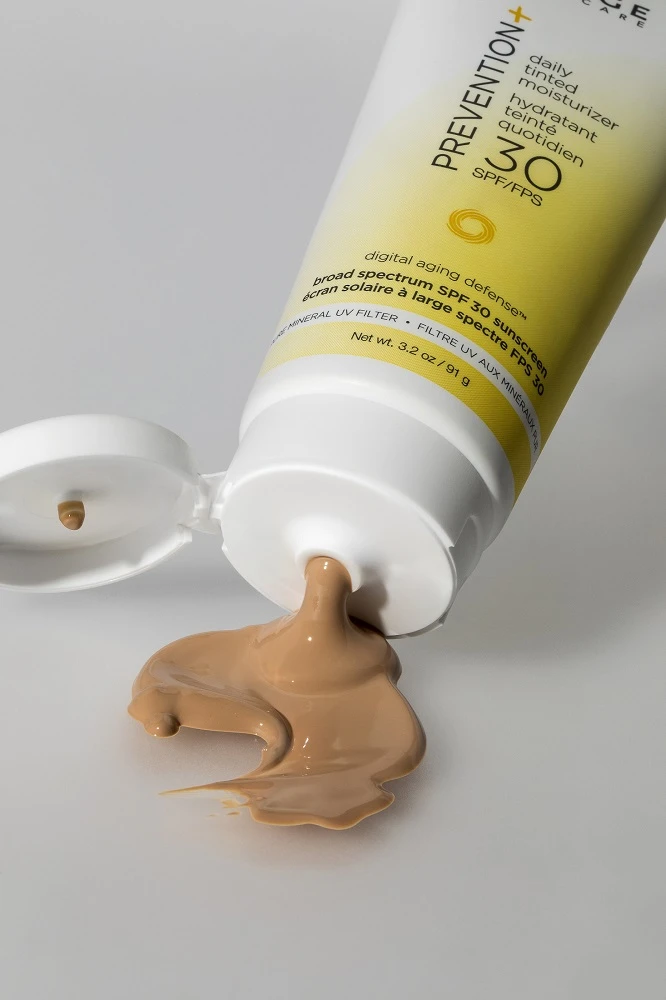
- Apply broad-spectrum sunscreen every morning and reapply when outdoors
- Wear a hat or use an umbrella during peak sun hours
- Keep your routine simple and avoid layering multiple active products
- Never pick at acne or scabs, as this often leaves dark marks
- Be patient, since visible change typically takes weeks to months
The Bottom Line
Pigmentation is common, and it is manageable. What it demands is not a miracle product but the right diagnosis, a plan suited to your skin, daily sun protection, and consistent follow-up. If your patches keep returning despite your efforts, that is a sign the underlying cause has not yet been addressed, and a consultation with a qualified dermatologist is the best next step.
What has been your experience with pigmentation? Share your thoughts in the comments.
#Dermatology #Pigmentation #Melasma #SkinCare #Ahmedabad
















Sign in to leave a comment.