

A polished manuscript requires more than a compelling story or useful information. Copy Editing Services can help authors identify issues involving grammar, consistency, sentence structure, and readability, while Book Editing Services can provide broader editorial support throughout the preparation process. Together, these stages can help transform a rough manuscript into a cleaner reading experience.
Copyediting generally focuses on the details that affect clarity and consistency. An editor may review grammar, punctuation, spelling, capitalization, word usage, and sentence construction. They may also identify inconsistencies in names, terminology, dates, formatting conventions, or other recurring details.
These corrections matter because small errors can distract readers from the author's message. A reader may overlook an occasional mistake, but repeated inconsistencies can make a manuscript feel unfinished. Careful editing creates a more professional presentation without removing the author's individual voice.
Authors should also understand that editing is not the same as rewriting everything. A good editorial process should respect the purpose and tone of the manuscript. Fiction, memoir, business books, educational guides, and academic works each have different expectations, so the editing approach should reflect the type of publication.
For fiction writers, continuity can be especially important. Character names, locations, timelines, descriptions, and plot details should remain consistent throughout the manuscript. Nonfiction authors may need particular attention to terminology, explanations, references, and logical transitions.
Another useful step is separating editing from final proofreading. Editing can involve substantial corrections and recommendations, while proofreading is generally performed after the main revisions and formatting are complete. Treating these as separate stages allows authors to review the manuscript after major changes have been made.
Authors should also allow enough time for revisions. Receiving an edited manuscript does not necessarily mean the project is finished. Writers may need to consider suggestions, ask questions, make changes, and review revised sections before approving the final version.
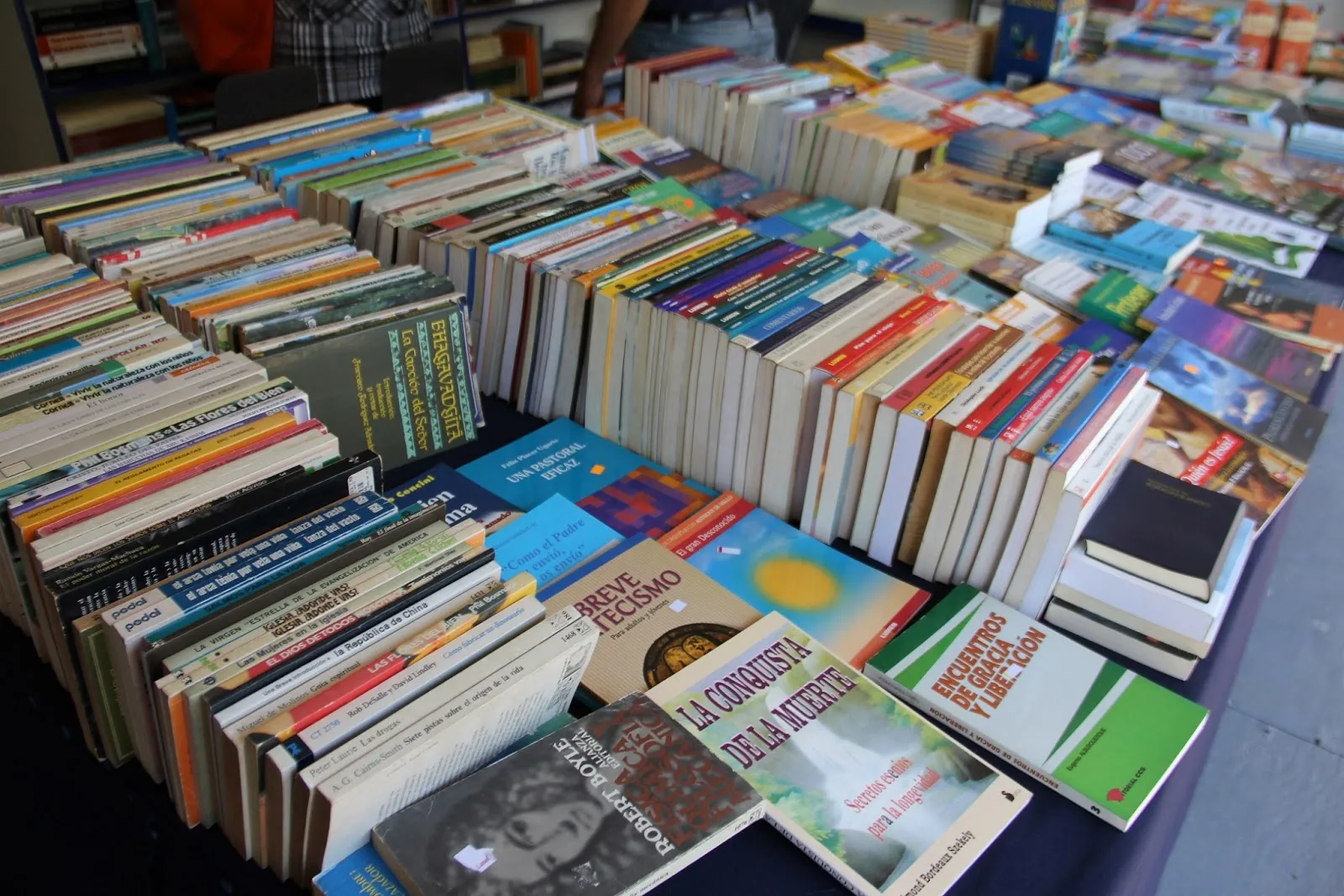
The growing number of books and formats available to readers makes presentation increasingly important. Industry research shows that readers now encounter books through print, eBooks, audiobooks, subscriptions, libraries, and other channels. A strong editorial foundation helps ensure that the written content is ready for those different publishing environments.
Ultimately, professional editing is about more than correcting mistakes. It gives authors an additional layer of quality control and helps ensure that readers encounter the book in a clear, consistent, and polished form.
































Sign in to leave a comment.