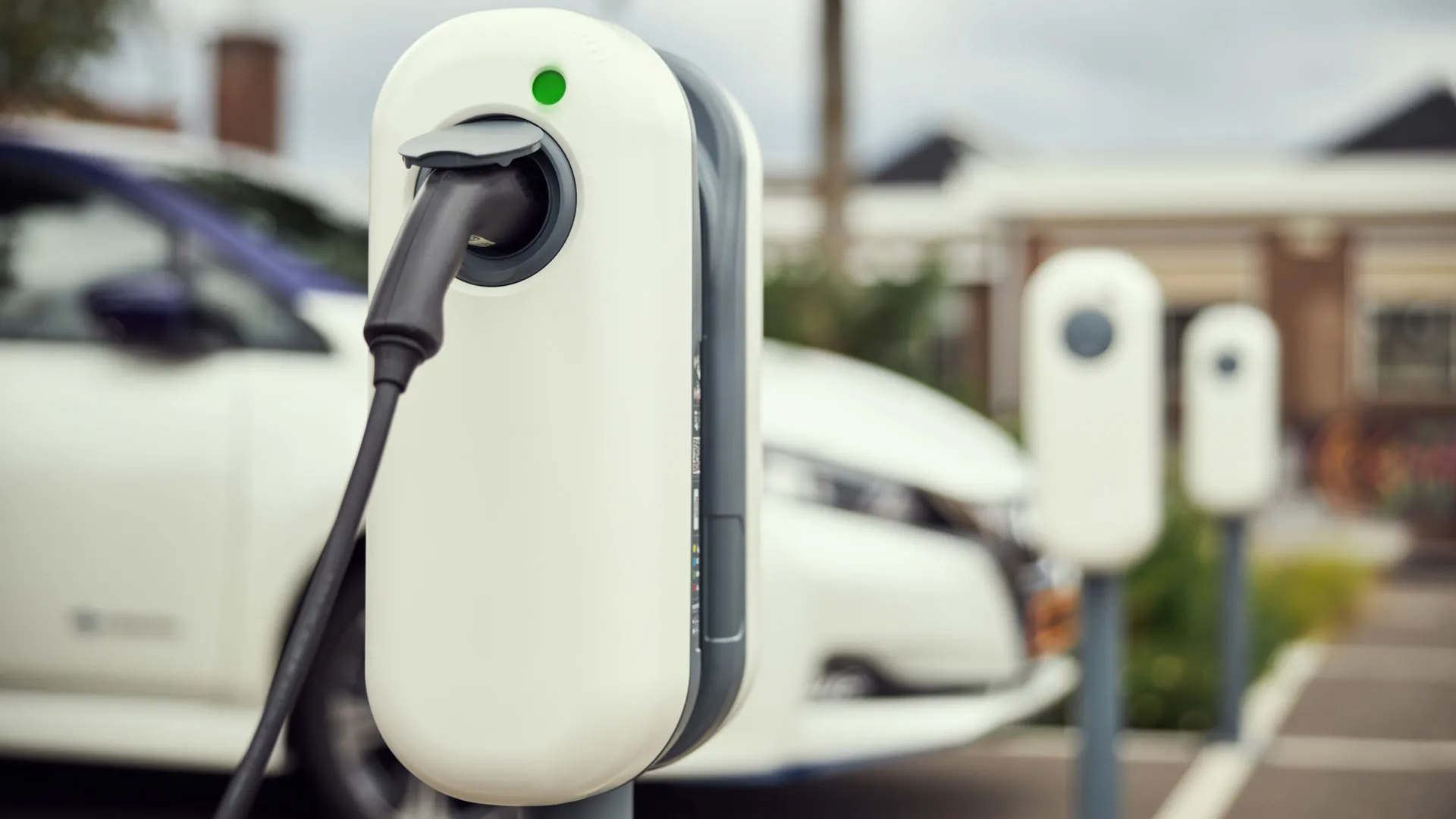

As electric vehicles (EVs) become more common, the need for reliable and convenient charging infrastructure continues to grow. Installing an EV charger may appear to be a straightforward task, but a safe and effective installation involves much more than simply connecting a charging unit to an electrical outlet. The electrical capacity of the property, charger requirements, wiring, circuit protection, grounding, and installation environment all need to be carefully considered.
This is why professional EV Charging Solutions are important for homeowners, businesses, property managers, and organizations looking to install charging stations. Working with qualified professionals can help ensure that the charging equipment is installed correctly, operates efficiently, and meets applicable electrical and safety requirements.
Understanding the Importance of Professional Installation
An EV charger can place a significant electrical load on a property's system, particularly when it is a higher-powered Level 2 charger. Unlike many ordinary household appliances, EV charging can involve several hours of continuous electrical demand. If the existing electrical system is not properly evaluated before installation, it may not be able to safely support the additional load.
Professional installers begin by assessing the property's electrical infrastructure. They can determine whether the existing panel has sufficient capacity, identify the appropriate circuit requirements, and recommend upgrades when necessary.
This initial assessment helps prevent problems that could otherwise occur after installation. It also allows the charger to be selected and configured according to the property's actual electrical capabilities.
Reducing Electrical Safety Risks
Safety is one of the most important reasons to use a qualified installer. Improper wiring or inadequate circuit protection can create serious electrical hazards, including overheating, short circuits, equipment damage, and electrical fires.
Professional electricians understand how to select appropriate wiring, breakers, disconnects, conduit, and other electrical components for an EV charging installation. They also understand the importance of proper grounding and bonding.
A professionally installed charging station is designed with safety in mind from the beginning. This means the electrical system is evaluated, the correct components are selected, and connections are made according to applicable electrical requirements.
For property owners, this provides greater confidence that the charging equipment is not placing unnecessary stress on the electrical system.
Choosing the Right Charger for the Property
Not every EV charger is suitable for every property. Charging equipment varies in power output, installation requirements, connectivity features, and compatibility.
For example, a homeowner may have different requirements from a commercial property with multiple charging stations. A workplace may need chargers that can accommodate employees throughout the day, while an apartment complex may need a solution that supports multiple residents.
Professional installers can help determine which type of charger is appropriate based on several factors, including:
- Available electrical capacity
- Vehicle charging requirements
- Daily driving and charging habits
- Available installation space
- Indoor or outdoor installation conditions
- Number of vehicles that need charging
- Future charging needs
- Property layout and cable routing
Selecting the right equipment from the beginning can make the charging experience more convenient while reducing the likelihood of expensive modifications later.
Proper Electrical Load Management
One of the biggest considerations when installing an EV charger is electrical load management. A charger can operate for extended periods, which means the electrical demand must be properly accounted for when designing the installation.
A professional electrician can evaluate the property's existing electrical loads and determine how the new charger will affect the system. If multiple chargers are being installed, load management becomes even more important.
In commercial environments, several chargers operating simultaneously could create a substantial demand on the building's electrical infrastructure. Professional planning can help determine whether additional electrical capacity, load balancing, or other equipment is required.
This approach helps maintain reliable charging without unnecessarily overloading the property's electrical system.
Meeting Electrical Codes and Requirements
Electrical installations are generally subject to local codes, standards, and permitting requirements. EV charging equipment is no exception.
A professional installer understands the requirements that apply to the installation and can help ensure that the work is completed accordingly. Depending on the location and project, this may include obtaining permits, following specific wiring requirements, installing appropriate protection devices, and completing required inspections.
Following electrical requirements is not simply about passing an inspection. These standards exist to help protect people, buildings, vehicles, and electrical equipment.
Property owners should therefore avoid treating EV charger installation as a simple DIY electrical project, especially when the installation requires a new circuit or modifications to the electrical panel.
Protecting the Charging Equipment
Professional installation can also help protect the charger itself. Incorrect wiring, insufficient protection, or poor environmental placement can affect the performance and lifespan of charging equipment.
Outdoor chargers, for example, need to be installed in a suitable location where they are protected from unnecessary physical damage and environmental exposure. Cable placement should also be considered carefully so that charging cables do not create unnecessary trip hazards or become damaged by vehicles.
A professional installer can evaluate the installation location and recommend a practical setup that balances accessibility, safety, and equipment protection.
Better Reliability and Charging Performance
A properly installed EV charger should provide consistent and dependable charging. Installation problems can lead to issues such as interrupted charging, overheating, error messages, or reduced performance.
Professional electricians have the knowledge and tools needed to identify potential problems during installation rather than waiting for them to appear later.
They can also test the installation after the charger has been connected to make sure the system is operating as intended. This provides an additional layer of confidence for property owners and EV drivers.
Reliable charging is particularly important for workplaces, businesses, apartment communities, and public facilities where multiple users may depend on charging infrastructure every day.
Preparing for Future EV Charging Needs
EV adoption is continuing to expand, and today's charging requirements may not be the same as tomorrow's. A professional installation can take future needs into consideration.
For example, a homeowner may initially install one charger but later purchase another EV. A business may start with two charging stations and eventually need additional units for employees or customers.
Planning ahead can make future expansion easier. Professionals can consider available electrical capacity, potential charger locations, conduit routes, and other infrastructure requirements during the initial project.
This forward-thinking approach may reduce the need for major electrical modifications when additional charging stations are needed later.
Why DIY Installation Can Be Problematic
DIY projects can be useful for many household tasks, but EV charger installation often involves electrical work that requires specialized knowledge. Connecting a high-powered charger incorrectly can create risks that may not be immediately visible.
A charger may appear to work even when an installation has underlying issues. Problems with wiring, grounding, circuit sizing, or connections can potentially become more serious over time.
Using a qualified professional helps ensure that important technical considerations are addressed before the charger is put into regular use.
It can also make it easier to troubleshoot the system if a problem occurs in the future, because the installation has been completed and documented by someone familiar with EV charging equipment and electrical requirements.
Professional Installation Provides Long-Term Value
Although hiring a professional may involve a higher upfront cost than attempting an installation independently, proper installation can provide long-term value.
A correctly installed charging system can help reduce avoidable electrical problems, protect equipment, support dependable charging, and make future maintenance easier. It also gives property owners greater confidence that the installation has been designed around safety and performance rather than simply getting the charger operational.
For businesses and commercial properties, professional installation can be particularly valuable because charging infrastructure may become an important part of the customer or employee experience.
Final Thoughts
Installing an EV charger is an investment in both convenience and electrical infrastructure. While the charger itself is an important part of the system, the quality of the installation plays an equally important role in safety, reliability, and long-term performance.
Professional installation helps ensure that the electrical system can support the charging equipment, the correct components are used, safety requirements are addressed, and the charger is positioned appropriately. It can also provide a foundation for future expansion as EV charging needs grow.
Whether the project involves a single residential charger or a larger commercial charging network, working with qualified professionals can make the installation process safer and more dependable. By focusing on proper planning, electrical safety, and quality workmanship, property owners can enjoy the benefits of EV charging with greater peace of mind.


























Sign in to leave a comment.