

Planning a successful event involves much more than choosing a venue, arranging entertainment and welcoming guests. Safety needs to be considered from the beginning, especially when an event involves large crowds, VIP guests, restricted areas or a high profile venue. Professional event security services help organizers prepare for potential risks while allowing guests to enjoy the occasion in a comfortable and well managed environment.
Whether it is a corporate conference, private gala, entertainment event, executive gathering, festival or large public occasion, every event has its own security requirements. A thoughtful security plan considers the venue, expected attendance, guest profile, access points, crowd movement and possible emergencies. When these details are addressed before the event begins organizers can create a safer environment for everyone involved.
Why Event Security Should Be Planned Early
Security should not be treated as something that is arranged at the last minute. Good preparation starts well before guests arrive. A detailed review of the venue can help identify entrances, exits, restricted areas, emergency routes and locations where additional monitoring may be required.
Early planning also gives security teams time to understand the event schedule and coordinate with event organizers, venue staff and emergency services. This can make communication much easier when the event is underway.
For larger gatherings, preparation may include staffing plans, credential systems, screening procedures, communication protocols and emergency response arrangements. Taking these steps in advance allows security personnel to work as part of the overall event team rather than simply reacting to problems.
Managing Guest Entry and Access
One of the first security challenges at any event is controlling who enters the venue. Guest screening and access control can help ensure that authorized people are able to enter appropriate areas while restricted locations remain protected.
Credential control can be particularly useful for events with VIP areas, backstage spaces, production zones or staff only sections. Different credentials can be assigned according to access requirements, helping security personnel identify who is permitted to enter specific areas.
Depending on the event's requirements, screening may also involve metal detectors or other weapon detection systems. These measures can be incorporated into the entry process while maintaining an organized flow for guests.
Crowd Management and Perimeter Security
Crowd movement can change quickly, particularly at entertainment events, festivals and large public gatherings. A security team needs to understand how people move through the venue and where congestion may occur.
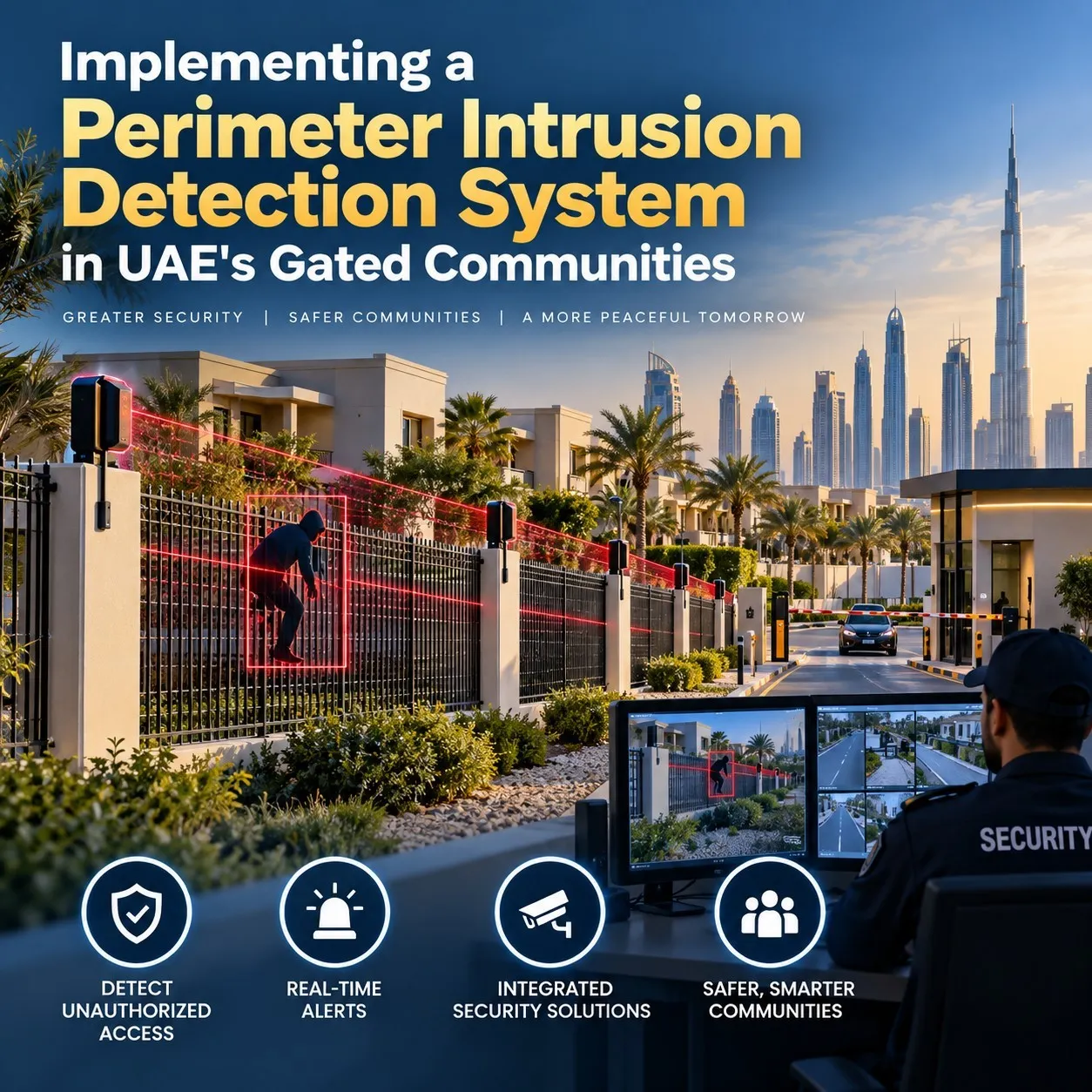
Effective crowd management can involve monitoring entrances, exits, walkways, seating areas and other high traffic locations. Perimeter security can also help establish a controlled boundary around the event.
The goal is not simply to have personnel visible throughout the venue. Security teams need to remain aware of what is happening around them and communicate when something requires attention.
Protecting VIP Guests and Executives
Some events include executives, celebrities, public figures or other high profile guests who may require additional protection. Their security needs can be different from those of general attendees.
VIP protection may involve secure arrival and departure arrangements, dedicated personnel, controlled entrances, private waiting areas and coordination with the wider event security team.
A well designed approach should protect without unnecessarily disrupting the guest's experience. For private galas and exclusive social events, plain clothes personnel may be appropriate when discretion is an important consideration.
Security for Entertainment and Media Events
Entertainment and media events can create a unique security environment because they may involve performers, production teams, photographers, media representatives and large crowds in the same location.
Backstage and production areas often require controlled access because equipment, performers, staff and authorized personnel may need to move through these spaces throughout the event.
Security personnel can help manage backstage access, coordinate talent movements, monitor restricted areas and support crowd and perimeter control. This allows event staff to focus on production while security remains focused on safety and access.
Using Technology as Part of a Security Plan
Modern event security can combine trained personnel with appropriate technology. Video monitoring, access control systems, weapon detection equipment and communication tools can provide additional visibility and support decision making.
For certain high profile or large scale events, drone detection may also be considered. Unauthorized drones can create privacy concerns, interfere with activities or introduce safety issues. Technology should not replace trained personnel, but it can give security teams additional information when they need to assess what is happening around a venue.
Emergency Coordination Matters
Even with careful planning, unexpected situations can occur. That is why emergency coordination should be part of the security plan before the event begins.
Professional security teams may coordinate with police, fire departments and emergency medical services to establish communication procedures and response plans. Everyone involved should understand their responsibilities if an incident occurs.
Clear communication is particularly important during larger events. A security command post can provide a central point for monitoring information, coordinating personnel and communicating with event management or emergency responders when necessary.
Creating a Better Guest Experience
Security does not have to make an event feel uncomfortable. In fact, when security is properly planned, most guests may barely notice the work taking place around them.
The best approach depends on the type of event. A corporate conference may require controlled entry and credentialing, while a private gala may benefit from a more discreet presence. A festival may need visible personnel, crowd management, perimeter monitoring and stronger entry screening.
This is why event security services should be customized instead of relying on the same approach for every occasion. The size of the venue, number of guests, event format, VIP requirements and potential risks all influence the type of security program that is appropriate.
Choosing the Right Security Approach
When selecting a security provider, event organizers should consider more than the number of personnel available. Experience, training, communication, planning and the ability to adapt to different environments are all important factors.
A professional provider should begin by understanding the event rather than immediately recommending a standard package. A threat assessment can help identify relevant risks, while program design can determine the personnel, technology and procedures required.
It is also important to discuss how the security team will communicate with event organizers before, during and after the event. Regular reporting and operational reviews can help ensure that the security plan continues to match changing requirements.
Building Confidence Before the Event Begins
A well organized security plan gives event organizers greater clarity about how different situations will be handled. Instead of waiting until an issue occurs, teams can establish procedures for access control, crowd management, VIP movement, emergencies and restricted areas beforehand.
This preparation can also help security personnel integrate naturally with event staff. Everyone understands their responsibilities, communication channels are established and potential concerns can be addressed before guests arrive.
Professional event security services are therefore not simply about placing guards around a venue. They involve planning, people, technology, communication and coordination working together to support a safe and well managed event.
Planning Your Next Event
Every event has different circumstances, so the security approach should be based on the venue, guest profile, event size, schedule and specific risk factors. Starting the conversation early gives organizers more time to assess the environment, develop procedures and coordinate the right resources.
For organizers looking for a security partner, Global Threat Solutions provides customized event security programs covering areas such as guest screening, access control, crowd management, perimeter security, VIP protection, backstage control, emergency coordination and security command post management.
Ready to plan a safer and more organized event? Contact Global Threat Solutions today to discuss your requirements and request a professional security consultation.




















Sign in to leave a comment.