

Building regulations play an important role in protecting people, property and the wider community from avoidable fire risks. Meeting these requirements involves more than installing alarms or placing extinguishers around a building. Owners and responsible persons must understand how fire safety measures work together and ensure that they remain effective over time. Professional fire compliance services help organisations assess their responsibilities, identify weaknesses and take appropriate action. A structured approach can support safer premises, clearer records and greater confidence that relevant legal duties are being addressed.
Understanding Building Fire Safety Regulations
Building regulations and fire safety legislation establish duties intended to reduce the risk of fire and protect occupants if an incident occurs. The exact requirements depend on the building's use, size, layout and occupancy. Responsible persons must understand which duties apply and ensure that suitable precautions are in place. Professional guidance can help interpret these responsibilities and turn them into practical actions. This is particularly valuable where a property has several floors, shared spaces, complex services or changing patterns of occupation.
The Importance of Professional Fire Safety Assessments
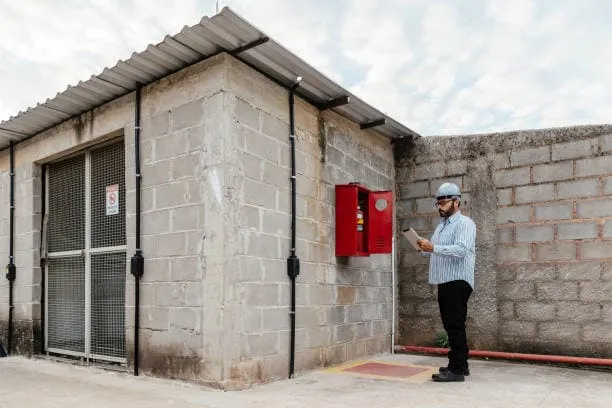
A compliance review begins by examining the building and the fire safety arrangements already in place. This may include reviewing the fire risk assessment, escape routes, alarm systems, emergency lighting, fire doors, signage and fire resisting construction. The review helps establish whether the measures are suitable for the premises and whether they are being maintained correctly. A thorough assessment also considers how people use the building in practice, since changes to room layouts, storage or occupancy can affect the level of risk.
Identifying Potential Fire Hazards
Identifying hazards early is essential because small defects can undermine wider fire safety arrangements. Damaged fire doors, unsealed service openings, obstructed corridors and poorly maintained equipment may allow fire or smoke to spread or delay evacuation. A professional inspection can highlight these issues and help determine which require urgent attention. Findings should be recorded clearly, with practical recommendations that explain the nature of each concern. This allows building managers to prioritise remedial work according to risk rather than relying on guesswork.
Maintaining Effective Passive Fire Protection
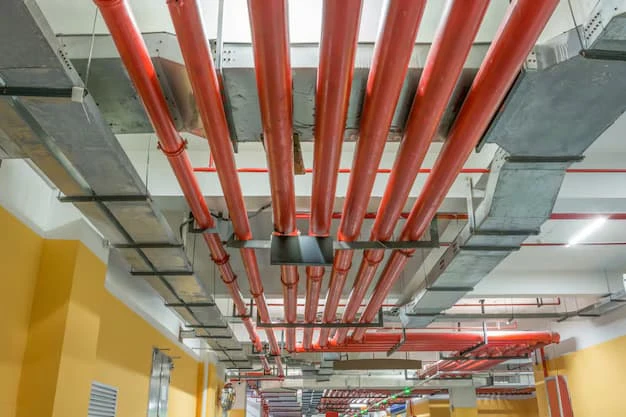
Fire protection measures are most effective when they operate as a coordinated system. Active measures, such as alarms and suppression equipment, need to work alongside passive measures, including compartment walls, floors, cavity barriers and fire stopping. If gaps remain around pipes or cables, smoke and flames may pass through barriers that are intended to contain them. A compliance review can examine whether these elements are appropriate, correctly installed and maintained. Where specialist work is needed, competent contractors should be selected for the relevant systems and materials.
Keeping Fire Risk Assessments Up to Date
A suitable fire risk assessment provides an organised record of hazards, people at risk and the precautions required to protect them. It should be reviewed when there is a significant change to the building, its use or its occupants, and whenever there is reason to believe that it is no longer valid. Professional support can help responsible persons understand the assessment and act on its findings. It can also help ensure that recommendations are assigned, monitored and completed instead of remaining unresolved in a report.
Maintaining Accurate Fire Safety Records
Documentation is an important part of demonstrating that fire safety duties are being managed. Records may include risk assessments, inspection reports, maintenance certificates, staff training details, evacuation procedures and evidence of completed remedial work. Accurate information helps managers track recurring issues and plan future maintenance. It can also assist when a building is inspected by enforcing authorities or when responsibility changes. A well organised record system should be easy to update, accessible to relevant people and consistent with the actual condition of the premises.
Improving Staff Awareness and Emergency Preparedness
Staff knowledge and occupant awareness contribute directly to building safety. Employees should understand the alarm arrangements, evacuation routes, assembly points and procedures for reporting hazards. People with specific responsibilities may need additional instruction to carry out their roles effectively. Professional advice can help organisations identify suitable training needs and review whether emergency arrangements remain practical. Refresher sessions and evacuation drills can reveal confusion or obstacles that may not be obvious during a routine inspection, allowing procedures to be improved before an emergency occurs.
Managing Building Changes and Renovation Work
Building work and changes in occupancy can affect compliance even when the original fire safety arrangements were suitable. New partitions, altered doors, additional cabling, equipment installations or changes in how rooms are used may compromise escape routes or fire resisting construction. A review should therefore be considered whenever significant alterations are planned or completed. Coordinating fire safety advice with maintenance teams, designers and contractors can reduce the chance of defects being introduced. It also helps ensure that completed work is recorded and relevant assessments are updated.
Choosing a Competent Fire Safety Provider
Choosing a competent provider is an important decision because advice and inspection quality can influence the safety of a property. Organisations should consider relevant experience, technical knowledge, professional qualifications and the ability to explain findings clearly. The scope of work should be agreed in advance, including what will be inspected, what documentation will be supplied and whether follow up support is available. A reliable provider will distinguish between observed defects and recommended improvements, avoid unsupported assurances and encourage appropriate specialist assessment where the issue falls outside its expertise.
The Value of Regular Inspections and Maintenance
Fire safety arrangements require ongoing attention to remain effective throughout a building's life. Regular inspections can identify deterioration, accidental damage and changes that may affect the performance of protective systems. Maintenance schedules should cover relevant equipment and building features, with defects recorded and addressed within appropriate timescales. Managers should also check that completed repairs meet the required specifications and that supporting documentation is retained. This consistent approach reduces the likelihood of important problems being overlooked and helps maintain suitable protection for occupants.
Conclusion
Effective compliance is an ongoing responsibility rather than a one off exercise. Inspections, maintenance, staff awareness and timely repairs all help preserve the performance of fire safety measures. Managers should review outstanding actions regularly, investigate repeated faults and ensure that contractors provide suitable evidence when work is completed. TBL Fire Protection can support organisations seeking a structured approach to passive fire protection and related building safety requirements. By keeping assessments, maintenance and corrective actions under review, responsible persons can strengthen protection for occupants and support continuing attention to building regulations.

















Sign in to leave a comment.