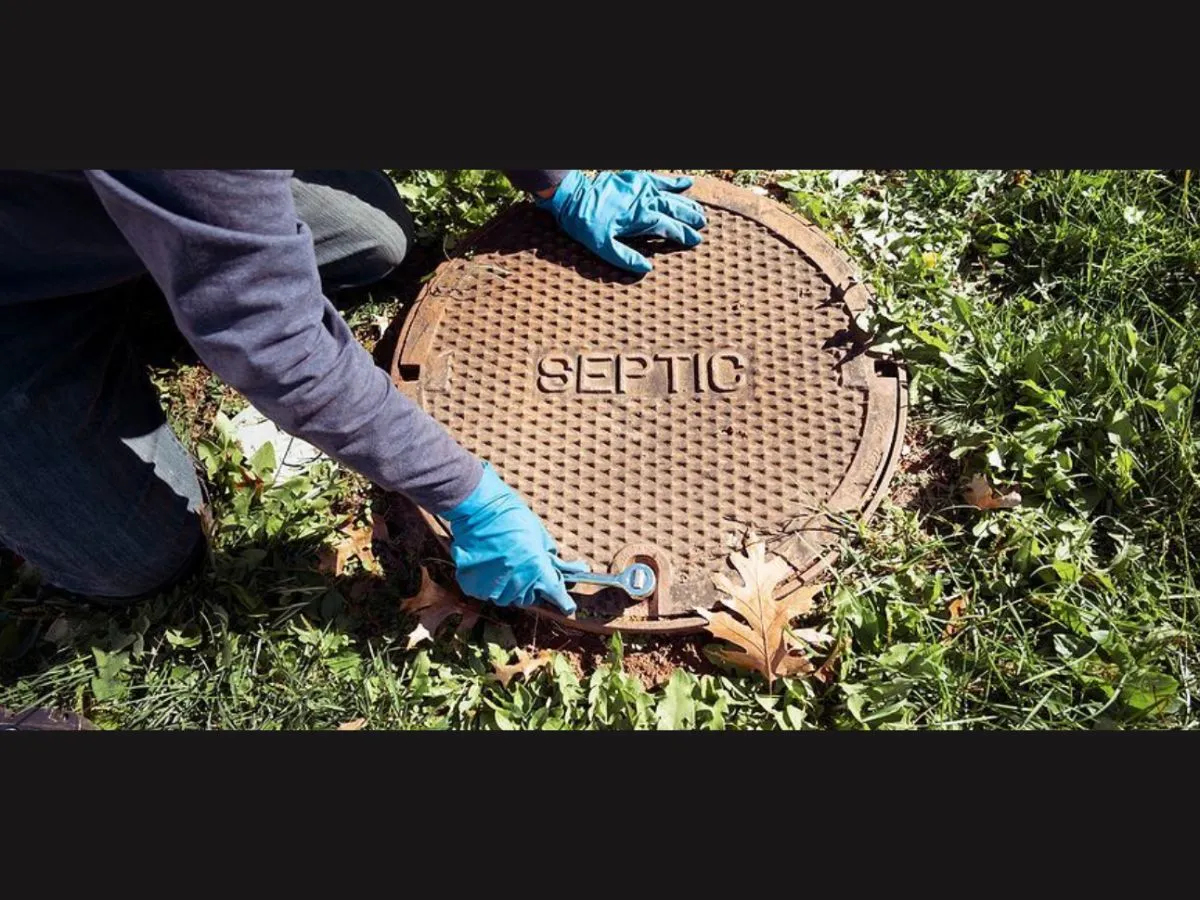

A septic system works quietly in the background, but neglecting it can lead to slow drains, sewage backups, unpleasant odors, and costly repairs. Regular maintenance helps protect the system, manage household wastewater safely, and reduce the risk of problems that can affect your property and the surrounding environment. For property owners in Newnan, understanding when to arrange professional septic pumping in Newnan is an important part of keeping a septic system working properly.
What Is a Septic System and How Does It Manage Wastewater?
A septic system is an underground wastewater treatment system that collects and treats wastewater from a property. It usually has two main parts: a septic tank and a drainfield. Both parts must work together to manage wastewater safely.
Wastewater from toilets, sinks, showers, and washing machines flows into the septic tank. Inside the tank, heavier solids settle at the bottom and form a layer called sludge. Grease and lighter materials float to the top and form a scum layer. The liquid wastewater in the middle flows out toward the drainfield.
The drainfield allows wastewater to pass through the soil, where natural processes help remove harmful bacteria, viruses, and other contaminants. If too much solid waste leaves the tank, it can clog the drainfield and affect the entire system.
Why Is Regular Septic Tank Maintenance Important?
Regular septic tank maintenance helps prevent system failures, protects the drainfield, and supports safe wastewater treatment. It also gives property owners a chance to identify small problems before they turn into expensive repairs.
Here are the main reasons maintenance matters.
1. It Helps Prevent Wastewater Backups
When sludge and scum build up inside a septic tank, there is less room for wastewater. If the tank becomes overloaded, wastewater may struggle to move through the system. This can cause slow drains, gurgling sounds, or sewage backing up into sinks, showers, and toilets.
Routine inspections and pumping remove excess solids before they reach a level that interferes with normal operation. This is especially important for properties with several occupants or high daily water use.
2. It Protects the Drainfield From Damage
The drainfield is one of the most important parts of a septic system. It receives liquid wastewater from the tank and allows the soil to complete the treatment process.
When a tank holds too much sludge, solid materials can move into the outlet pipe and reach the drainfield. These materials may clog the soil and reduce its ability to absorb wastewater. A damaged drainfield can require major repairs or replacement.
Keeping the tank properly maintained helps reduce this risk. Property owners should also avoid parking vehicles, building structures, or placing heavy equipment over the drainfield.
3. It Helps Control Unpleasant Odors
Persistent sewage odors around a tank, drainfield, or property can point to a septic system problem. A full tank, blocked pipe, damaged component, or drainfield issue may contribute to the smell.
Maintenance allows a professional to check the system and identify possible causes. However, not every odor means the tank needs pumping. Plumbing vents and dry traps can also cause smells, so a proper inspection helps identify the source.
4. It Supports Groundwater and Environmental Protection
A properly working septic system treats wastewater before it enters the surrounding soil. When the system fails, untreated or poorly treated wastewater can reach groundwater, nearby streams, and other water sources.
This can introduce harmful bacteria, viruses, and nutrients into the environment. The U.S. Environmental Protection Agency (EPA) explains that failing septic systems can affect drinking water and nearby waterways. Regular maintenance helps reduce the risk of wastewater pollution.
How Often Should You Pump and Inspect a Septic Tank?
Most household septic systems should receive a professional inspection at least once every three years. Many household tanks need pumping every three to five years, but the right schedule depends on tank size, household size, water use, and the amount of solids entering the tank.
The EPA recommends adjusting maintenance to the actual condition and needs of the system rather than relying on one schedule for every property.
| Maintenance task | General guideline | Why it matters |
| Professional inspection | At least every 3 years | Checks tank condition and system performance |
| Septic tank pumping | Often every 3-5 years | Removes accumulated sludge and scum |
| Water use checks | Ongoing | Helps prevent hydraulic overload |
| Drainfield care | Ongoing | Protects soil and underground pipes |
| Repairs | As soon as a problem is found | Prevents further damage |
Alternative systems with pumps, electrical float switches, or mechanical parts may need more frequent inspections. Always follow the recommendations of a qualified septic professional and any applicable local requirements.
What Are the Signs That Your Septic System Needs Maintenance?
A septic system may show warning signs when it cannot handle wastewater properly. Recognizing these signs early can help you arrange an inspection before the problem becomes more serious.
Watch for:
- Toilets, sinks, or showers that drain slowly.
- Gurgling sounds from plumbing fixtures.
- Sewage backing up into the home or building.
- Persistent sewage odors near the tank or drainfield.
- Wet or unusually soggy areas around the drainfield.
- Unusually green, spongy grass over the septic area.
These are recognized warning signs of possible septic system failure by the EPA. They do not all point to the same cause, so avoid guessing or attempting repairs yourself.
What Can Property Owners Do Between Septic Service Visits?
Good daily habits help a septic system work more efficiently between professional visits. Maintenance is not limited to pumping. Water use, waste disposal, and drainfield care also affect system performance.
Use water wisely. Repair leaking faucets and running toilets. Spread laundry and dishwasher loads throughout the week instead of sending large amounts of water into the system at once. Too much wastewater in a short period can overload the tank and drainfield.
Be careful about what goes down the drain. Flush only human waste and toilet paper. Keep wipes, paper towels, diapers, feminine hygiene products, dental floss, cooking grease, and household chemicals out of the system. These materials can cause blockages or interfere with treatment.
Protect the drainfield. Keep vehicles, heavy equipment, and structures away from the area. Direct roof drains and other surface water away from the drainfield because excess water can affect its ability to absorb wastewater.
Keep maintenance records. Record pumping dates, inspection findings, repairs, and the service provider's recommendations. These details help you plan future maintenance and provide useful information if you sell the property.
If you are unsure when your tank was last serviced, arranging a professional inspection is a practical first step. Property owners looking for septic pumping and cleaning in Newnan can review the available service information and discuss their system's maintenance needs.
What Happens During Professional Septic Tank Maintenance?
Professional septic maintenance involves more than removing wastewater. A technician checks the tank and related components to understand how well the system is working.
A typical service visit may include:
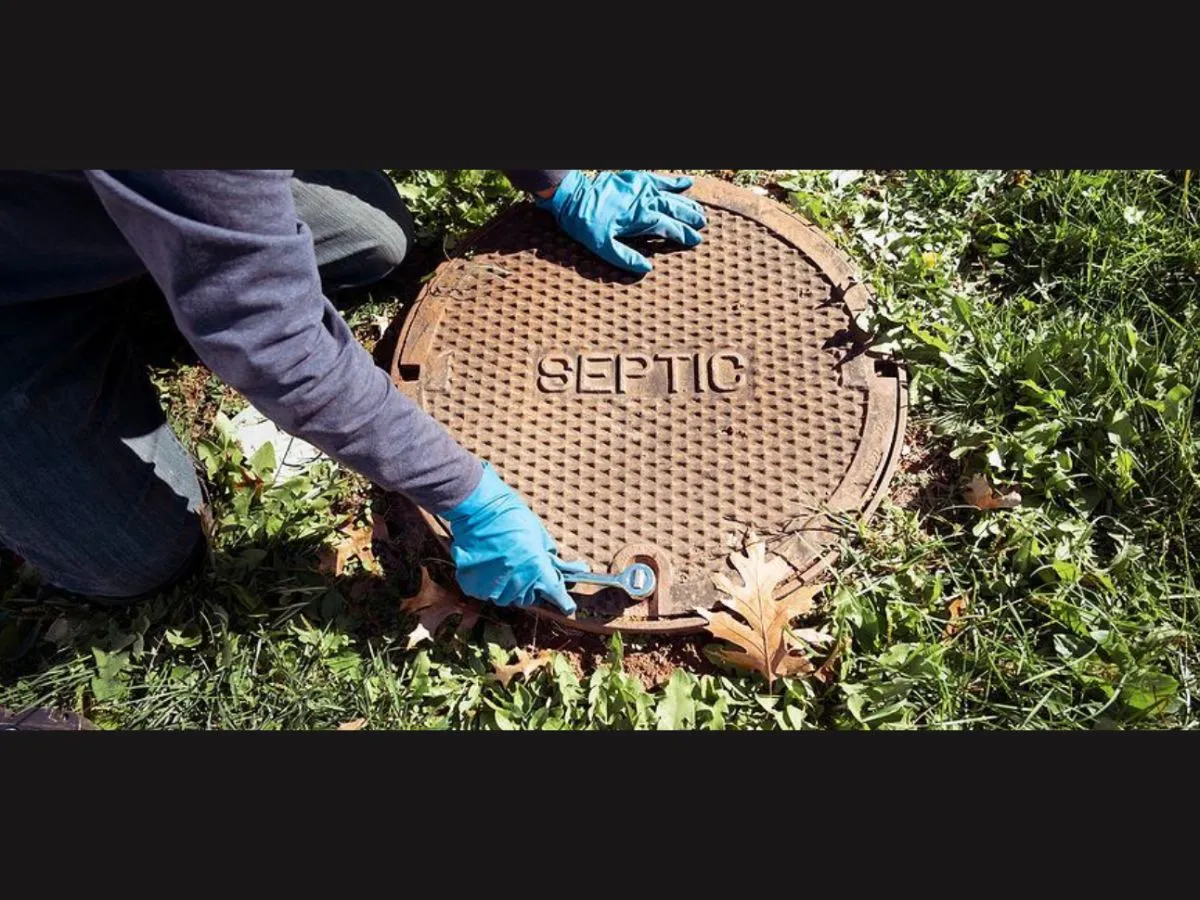
- Locating and accessing the tank: The technician identifies the tank and opens the appropriate access points.
- Checking sludge and scum levels: These measurements help determine whether pumping is necessary.
- Pumping accumulated waste: Specialized equipment removes sludge, scum, and wastewater from the tank.
- Checking important components: The technician may examine the inlet, outlet, baffles, and accessible filters for signs of damage or blockage.
- Providing maintenance recommendations: The findings help determine when the next service should take place and whether repairs are needed.
A useful tip is to ask the technician to explain the tank's condition and record the sludge and scum measurements. This information can help you plan future service based on actual conditions instead of guessing.
Conclusion:
Proper septic tank maintenance supports efficient wastewater management, protects your drainfield, and helps reduce the risk of unexpected system failures. Regular inspections, timely pumping, responsible water use, and correct waste disposal all play an important role in keeping the system working properly.
If you own a property in Newnan, do not wait for sewage backups or drainage problems before arranging service. Septic Blue of Griffin provides septic pumping, cleaning, and other septic solutions to help property owners care for their systems. Contact our team to discuss your maintenance needs and schedule professional septic service.
Frequently Asked Questions About Septic Tank Maintenance
How do I know when my septic tank needs pumping?
Slow drains, sewage backups, gurgling sounds, and unpleasant odors may indicate a septic problem. A professional inspection can check sludge and scum levels to determine if pumping is needed.
Can I use household cleaners with a septic system?
Yes, you can use regular household cleaners in moderate amounts. Avoid pouring large quantities of harsh chemicals, solvents, paint, or hazardous substances down the drain.
What happens if I do not pump my septic tank?
Excessive sludge can enter and clog the drainfield, causing slow drainage, wastewater backups, and system failure. Delayed maintenance may also lead to costly repairs.
Does regular septic pumping prevent every septic system problem?
No, pumping removes accumulated solids but cannot repair damaged pipes, broken baffles, or failing drainfields. Regular inspections help identify these problems before they become more serious.
















Sign in to leave a comment.