Why Quality Documentation Matters When Choosing a Stainless Steel Railway Pipes Manufacturer

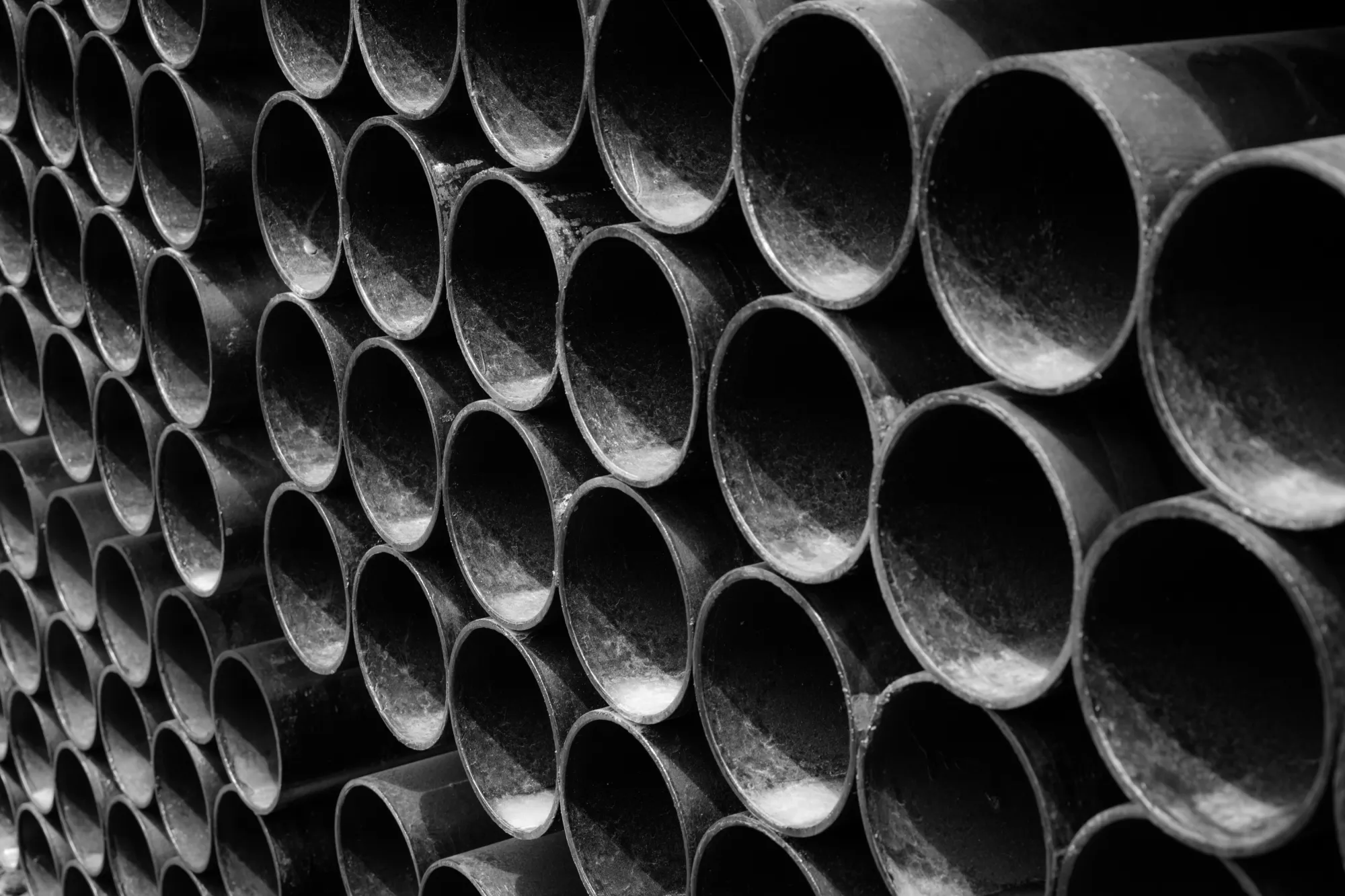
In railway infrastructure and coach manufacturing, selecting the right piping supplier involves more than comparing material prices and delivery schedules. Documentation plays an equally important role in establishing material identity, manufacturing consistency, inspection status, and product traceability. For railway applications where components may experience vibration, mechanical loading, environmental exposure, and long service cycles, reliable documentation helps buyers make informed procurement decisions.
Choosing an experienced Stainless Steel Railway Pipes Manufacturer with a structured documentation and quality-control system can provide greater confidence throughout procurement, fabrication, inspection, and installation. Americo Pipes and Tubes focuses on supplying stainless steel pipe solutions designed for demanding railway and industrial applications, with attention to product consistency and customer requirements.
What Is Quality Documentation in Stainless Steel Pipe Manufacturing?
Quality documentation refers to the records and certificates associated with the manufacture, inspection, testing, and identification of stainless steel pipes. These documents help customers verify that the supplied material corresponds with the agreed specifications.
Depending on the project and purchasing requirements, documentation may include:
- Material test certificates
- Chemical composition records
- Mechanical property information
- Heat or batch identification
- Dimensional inspection reports
- Surface inspection records
- Non-destructive testing reports, where applicable
- Manufacturing and inspection records
- Packing and dispatch details
- Product traceability information
The exact documentation package can vary according to the applicable specification, customer purchase order, application, and inspection requirements.
Why Documentation Matters for Railway Applications
Railway components are expected to deliver dependable performance under demanding operating conditions. Pipes used in coaches, structural assemblies, equipment systems, and other railway applications may need to meet carefully defined dimensional and material requirements.
A documented supply chain helps manufacturers and railway contractors verify important product characteristics before the material enters fabrication.
For a buyer working with a Stainless Steel Railway Pipes Manufacturer, proper documentation can help answer critical questions such as:
- What material grade was supplied?
- Which production batch or heat does the pipe belong to?
- Are the dimensions within the specified requirements?
- What inspections were performed?
- Does the material correspond with the purchase specification?
- Can the supplied material be traced through production and delivery?
This information becomes particularly valuable when projects involve multiple suppliers, inspection stages, and fabrication operations.
Material Traceability Supports Better Quality Control
Traceability is one of the most important benefits of organized quality documentation. Stainless steel pipes are generally produced in batches, and maintaining identification throughout manufacturing and dispatch helps connect the finished product with its production records.
For example, Stainless Steel 409 Pipes may be selected for applications where resistance to elevated temperatures and suitable corrosion performance are required. Having clear material identification and supporting documentation allows buyers to verify the supplied grade and maintain records for their own quality systems.
Traceability can also simplify communication between the manufacturer, fabricator, OEM, contractor, and inspection team.
Documentation Helps Verify Material Properties
Different stainless steel grades offer different combinations of corrosion resistance, strength, heat resistance, fabrication characteristics, and other properties. Consequently, confirming the actual material supplied is essential.
Quality documentation can provide information relating to:
- Chemical composition
- Tensile properties
- Yield strength
- Elongation
- Hardness, where applicable
- Heat treatment or processing information
- Applicable inspection results
This becomes particularly important when a project specifies a particular stainless steel grade for a defined operating environment.
Supporting Welding and Fabrication Requirements
Railway pipe components frequently undergo cutting, forming, welding, machining, or assembly before becoming part of a finished system. Material consistency can therefore influence downstream fabrication.
When purchasing from a Manufacturer of Stainless Steel 410 Welded Pipes, buyers may need documentation that supports material identification, dimensional verification, and applicable inspection requirements. Such information can help fabrication teams plan their processes more effectively and maintain project records.
Good documentation does not replace proper fabrication procedures or independent inspection, but it provides an important foundation for quality management.
Dimensional Documentation Is Equally Important
Material grade is only one part of pipe quality. Dimensions can be equally critical, particularly where pipes need to fit into precisely engineered railway assemblies.
Depending on the specification, buyers may need to verify:
- Outside diameter
- Wall thickness
- Length
- Straightness
- Ovality
- Surface condition
- End condition
Dimensional inspection records can help identify deviations before products reach the fabrication stage. Early identification can reduce rework, installation difficulties, and unnecessary material losses.
Documentation and Non-Destructive Testing
For applications with specific inspection requirements, non-destructive testing can provide additional information about product integrity without damaging the material.
Depending on the applicable specification and customer requirements, inspection may include suitable NDT methods or other examinations. Records of such inspections can become part of the overall quality documentation package.
For railway projects with stringent procurement procedures, documented inspection results can help purchasing and quality teams maintain an auditable record of supplied materials.
Documentation Improves Procurement Transparency
Price is naturally an important factor when purchasing stainless steel pipes, but the lowest initial price does not always represent the lowest overall procurement risk.
A supplier with organized quality documentation can provide greater transparency regarding:
- Product identification
- Manufacturing status
- Inspection activities
- Material characteristics
- Order-specific requirements
- Dispatch information
- Traceability
This makes it easier for procurement teams to compare suppliers based on more than cost alone.
What Should Buyers Ask a Stainless Steel Railway Pipes Manufacturer?
Before placing an order, railway OEMs, contractors, fabricators, and distributors should clarify the documentation requirements.
Important questions include:
- What quality documents are supplied with the pipes?
- Can material be traced to its heat or production batch?
- Are dimensional inspection records available?
- What testing is performed?
- Which standards or specifications are followed?
- Can documentation be customized according to project requirements?
- How are product identification and records maintained?
- What inspection options are available for specialized applications?
Clear communication before production can prevent documentation gaps after delivery.
Documentation for Different Stainless Steel Grades
Railway projects can require different stainless steel grades depending on application and environmental conditions. Stainless Steel 409 Pipes, for example, may be considered for heat-intensive applications, while other stainless steel grades may be selected where different combinations of corrosion resistance, strength, or fabrication performance are required.
Similarly, welded pipe products can be manufactured for applications where specific dimensional, material, and welding requirements need to be addressed.
A knowledgeable Stainless Steel Railway Pipes Manufacturer should therefore understand that documentation requirements can vary from one grade and application to another.
How Americo Pipes and Tubes Supports Quality-Focused Supply
Americo Pipes and Tubes understands the importance of consistency and information transparency when supplying stainless steel pipe solutions for demanding applications. A structured approach to product specifications, manufacturing controls, inspection, identification, and documentation helps customers manage their procurement requirements more effectively.
Whether the requirement involves railway infrastructure, coach manufacturing, fabrication, or specialized industrial applications, buyers benefit from working with a supplier that treats documentation as an integral part of quality management rather than simply paperwork.
Final Thoughts
Quality documentation is an essential part of responsible stainless steel pipe procurement. It provides valuable information about material identity, product dimensions, inspection status, and traceability, helping buyers make better decisions and maintain reliable project records.
When selecting a Stainless Steel Railway Pipes Manufacturer, customers should evaluate not only manufacturing capability and product range but also the supplier's approach to quality documentation and traceability. From Stainless Steel 409 Pipes to products supplied by a Manufacturer of Stainless Steel 410 Welded Pipes, clear and accurate documentation can support better fabrication planning, quality assurance, and supply-chain transparency.




Sign in to leave a comment.