
Rain stops. The sun comes back out. You feel fine. Then, two days later, your nose is running, your eyes are itchy, and you can't figure out why. You didn't catch a cold. Nobody at home is sick. So what happened?
The answer is hiding in the air you're breathing right now. It's mold spores, and rain is what wakes them up. Most people blame pollen or dust for their allergies after a storm, but the real trigger shows up days later, quietly, inside your own home. That delay is exactly why so many people miss the connection. This is where an indoor air purifier stops being a "nice to have" and becomes something closer to a necessity.

Why Rain Triggers a Surge in Indoor Mold Spores
Mold needs three things to grow: moisture, warmth, and something to feed on. Rain hands it the first ingredient on a silver platter. Damp walls, wet windowsills, soggy carpets near doors, and humid bathrooms all turn into little mold nurseries within hours of a downpour.
How Outdoor Mold Becomes an Indoor Problem
Here's the part people don't expect: mold spores from outside don't stay outside. They ride in on your shoes, cling to wet umbrellas, and slip through open windows. Once your HVAC system pulls in that damp outdoor air, spores travel through the ducts and settle into every room. Your house essentially becomes a delivery system for the very allergens making you sneeze.
Why Mold Spores Matter More Indoors than Outdoors
Outdoors, wind and open space scatter mold spores so they thin out fast. Indoors, there's nowhere for them to go. They just build up.
Confined Spaces Mean Concentrated Exposure
A closed room recirculates the same air over and over. If that air carries mold spores, you keep breathing the same allergens for hours, sometimes for days, without realizing it. This is why symptoms feel worse at home than they do outside, even right after rain.
Symptoms People Often Misread
Because the reaction shows up late, people rarely connect the dots.
| Symptom | Often Mistaken For | Actual Trigger |
| Sneezing, stuffy nose | Common cold | Airborne mold spores |
| Tiredness, headaches | Weather change, stress | Ongoing mold exposure |
| Worse asthma attacks | Seasonal allergy flare | Damp indoor air |
If these symptoms tend to show up a day or two after rainfall and fade once the weather dries out, mold spores are the more likely culprit, not a virus.
Why an Indoor Air Purifier Is Essential After Rain
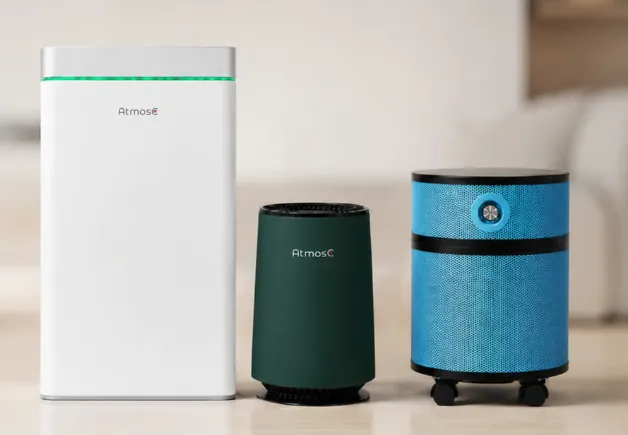
Once mold spores are floating around your rooms, you need something that actually pulls them out of the air. That's the job of an indoor air purifier.
What It Can & Can't Do
It's worth being honest here: an air purifier will not scrub mold off a bathroom wall or dry out a leaking pipe. What it does is capture the spores already floating in the air before you breathe them in.
Think of it as damage control while you fix the actual moisture problem with a dehumidifier or better ventilation. Skip one part of that combination, and you're only solving half the issue!
Features Worth Checking Before You Buy
Not every purifier handles mold well. Look for:
- A true HEPA filter (traps particles as small as 0.3 microns, which covers most mold spores).
- An activated carbon layer to deal with that musty, damp smell.
- A CADR rating that actually matches your room size, not just the marketing label.
Indoor vs Commercial Air Purifiers: What's the Real Difference?
A purifier built for your bedroom isn't built for a busy office or a crowded gym. That's where commercial air purifiers come in.
When a Home Unit Isn't Enough
Places like clinics, coworking spaces, and schools deal with more foot traffic, bigger rooms, and HVAC systems that recirculate air constantly.
Commercial air purifiers are built to handle that heavier load, cycling larger volumes of air far more than a home unit ever could.
| Factor | Indoor Air Purifier | Commercial Air Purifiers |
| Coverage | 300–800 sq ft | 1,000+ sq ft |
| Best for | Bedrooms, living rooms | Offices, clinics, gyms |
| Air turnover | Standard HEPA cycle | Higher CADR, faster turnover |
Do You Actually Need a Hospital Grade Air Purifier at Home?
Usually, a hospital grade air purifier is built to filter out extremely fine particles, including bacteria and certain airborne pathogens, at a level far beyond typical home needs. For most households, a good HEPA-based indoor air purifier already does the job against mold spores.
But if someone in your home has severe asthma, a compromised immune system, or the house recently dealt with flooding, stepping up to a hospital grade air purifier can offer real peace of mind rather than overkill.
Practical Tips for Using Your Purifier After Rainy Days
- Keep it running for a full day or two after rainfall, not just when you start sneezing.
- Place it in bedrooms and bathrooms first, since these hold the most moisture.
- Pair it with a dehumidifier so you're tackling spores and moisture at the same time.
- Replace filters more frequently during monsoon months, since they clog faster in humid air.
The Takeaway
Mold spores don't announce themselves. They build up quietly after every rainfall, and by the time you notice the sneezing or fatigue, they've already been circulating for a while. An indoor air purifier won't fix a leaky roof, but AtmosC can help filter airborne particles so you're not breathing in as much of the aftermath. If rainy days keep leaving you foggy-headed and stuffed up, it might be time to stop guessing and start filtering. Check your home's humidity levels this week and see if your current air purifier or lack of one is really doing its job.
FAQs
1. Can an air purifier get rid of that musty mold smell?
The HEPA filter alone won't do it. You need one with an activated carbon layer, which is designed to absorb odors, not just particles.
2. How long should I run my purifier after it rains?
Most experts suggest running it continuously for 24 to 48 hours after rainfall, since spore levels stay elevated even after the sky clears.
3. Is a hospital grade air purifier overkill for a normal home?
For most people, yes. A standard HEPA indoor air purifier is enough. It's really meant for high-risk situations like severe allergies or recent water damage.
4. Can commercial air purifiers work in a large home?
Yes, especially in open-plan homes or houses with shared central air, where a small unit would struggle to keep up.























Sign in to leave a comment.