
Pets are loving members of the family. Dogs protect us, play with us, and make us smile. Cats bring comfort, joy, and calm moments into our homes. Because pets give us so much love, they also need proper care to stay healthy and strong. One of the most important parts of pet care is regular vaccination.
Vaccination helps protect cats and dogs from dangerous diseases. It keeps them safe from harmful viruses and bacteria that can make them very sick. Regular pet vaccination services also protect other animals and even humans from disease spread.
Whether you have a playful puppy, a curious kitten, an adult dog, or a senior cat, keeping vaccinations updated is a smart and caring decision.
What Is a Pet Vaccination?
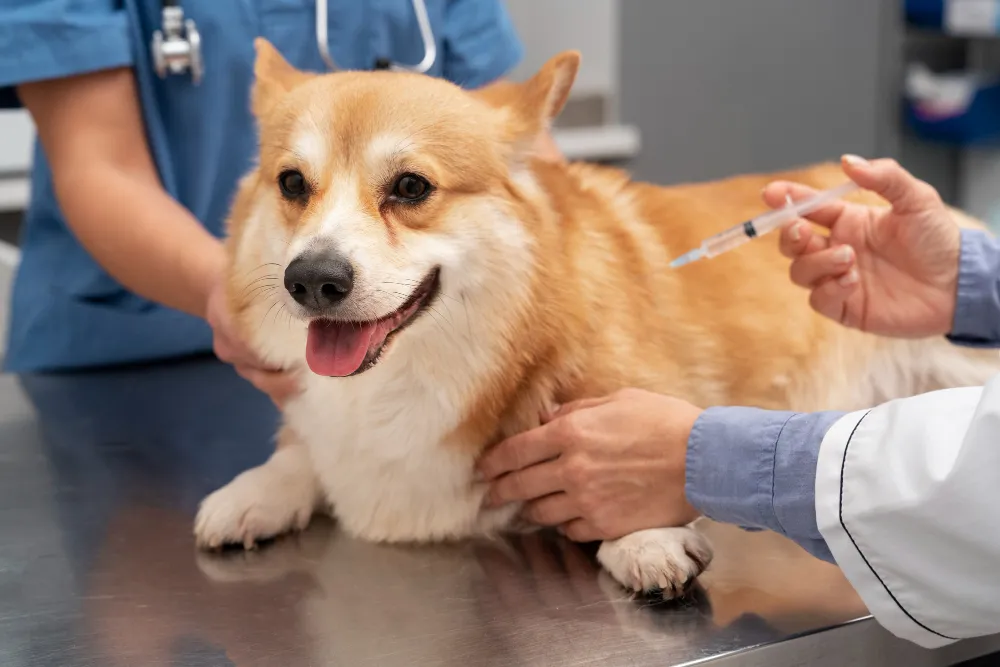
A pet vaccination is a medical treatment that helps your cat or dog fight diseases. During vaccination, a veterinarian gives your pet a small shot called a vaccine. This vaccine teaches your pet’s immune system how to recognize and fight harmful germs.
When your pet later comes into contact with a disease, the body already knows how to protect itself. This greatly lowers the chance of serious illness.
Vaccinations are:
- Safe
- Fast
- Affordable
- Effective
Most vaccines only take a few minutes, but the protection can last for months or even years.
Why Cat and Dog Vaccination Services Matter
Vaccination is not just about following rules at the vet clinic. It is about protecting your pet’s life and helping them stay healthy for many years.
Regular vaccination services are important for many reasons.
1. Protects Pets From Dangerous Diseases
Cats and dogs can catch many serious illnesses. Some diseases spread very quickly and may become life-threatening if not treated early.
Vaccines help protect pets from diseases such as:
- Rabies
- Distemper
- Parvovirus
- Kennel cough
- Cat flu
- Feline leukemia
For example, parvovirus in dogs can cause severe vomiting and dehydration. Rabies affects the brain and is often deadly. Cat flu can make breathing difficult for cats and kittens.
Vaccination lowers the risk of these illnesses and helps pets stay active and healthy.
2. Helps Stop the Spread of Disease
Pets often meet other animals during walks, grooming visits, boarding stays, or trips to the park. If one sick animal spreads disease, many pets can become infected.
Vaccinated pets are less likely to carry or spread harmful diseases. This helps protect:
- Other dogs and cats
- Puppies and kittens
- Older pets
- Animals with weak immune systems
Regular vaccination helps create a safer environment for all pets in the community.
3. Protects Human Health
Some diseases can spread from animals to people. These are called zoonotic diseases. Rabies is one of the most dangerous examples.
A dog or cat infected with rabies can put family members and neighbors at risk. Children are especially vulnerable because they often play closely with pets.
By vaccinating pets regularly, families can reduce the risk of disease transmission and enjoy safer interactions with their furry companions.
4. Saves Money on Veterinary Treatments
Preventing disease is usually much cheaper than treating illness.
When pets become seriously sick, owners may need to pay for:
- Emergency vet visits
- Medicines
- Blood tests
- Hospital stays
- Surgery
- Long recovery care
These treatments can become very expensive.
Vaccination services cost much less and help prevent many health problems before they begin. Regular vaccines are a smart investment in your pet’s long-term health.
Core Vaccines for Dogs
Veterinarians recommend several important vaccines for dogs. These are called core vaccines because they protect against serious and common diseases.
Rabies Vaccine
The rabies vaccine protects dogs from rabies, a deadly viral disease that attacks the nervous system. In many places, this vaccine is legally required.
Rabies spreads through bites from infected animals and can also infect humans.
DHPP Vaccine
This vaccine protects dogs from four dangerous diseases:
- Distemper
- Hepatitis
- Parvovirus
- Parainfluenza
These illnesses can damage organs, weaken the immune system, and become life-threatening without treatment.
Bordetella Vaccine
The Bordetella vaccine helps protect dogs from kennel cough, a contagious respiratory infection.
Dogs that visit boarding facilities, daycare centers, dog parks, or grooming salons may need this vaccine regularly.
Core Vaccines for Cats
Cats also need strong protection from dangerous illnesses. Even indoor cats benefit from vaccination.
Rabies Vaccine
Rabies vaccination is important for cats because exposure can still happen through open windows, outdoor escapes, or contact with infected animals.
FVRCP Vaccine
This vaccine protects cats against:
- Feline viral rhinotracheitis
- Calicivirus
- Panleukopenia
These diseases can cause fever, breathing problems, weakness, and severe infections.
Feline Leukemia Vaccine
Feline leukemia weakens a cat’s immune system and increases the risk of other illnesses.
Outdoor cats or cats living with other cats often need this vaccine for added protection.
When Should Pets Get Vaccinated?
Vaccination schedules depend on your pet’s age, health, and lifestyle.
Puppy Vaccination Schedule
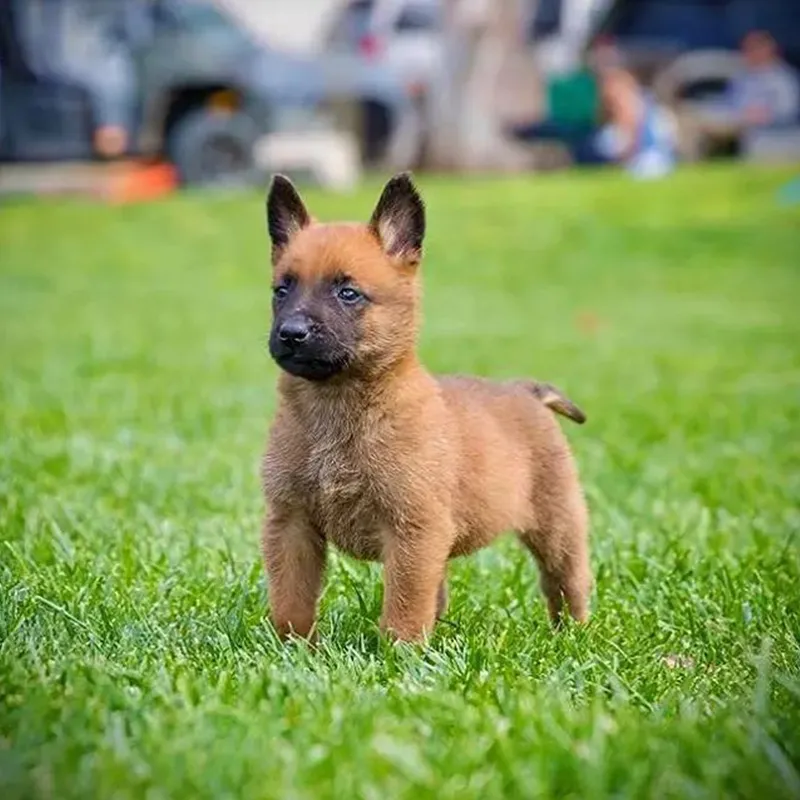
Puppies usually receive their first vaccines between 6 and 8 weeks of age. Booster shots continue every few weeks until they are around 16 weeks old.
These early vaccines are very important because young puppies have weaker immune systems.
Kitten Vaccination Schedule
Kittens also begin vaccinations at a young age. Early protection helps them grow into healthy adult cats.
Booster shots help strengthen immunity during the first months of life.
Adult Pet Vaccination
Adult dogs and cats still need regular booster vaccines. Some vaccines are given yearly, while others may last longer.
Your veterinarian will recommend the best schedule for your pet.
Signs Your Pet May Need Vaccination
Pet owners should watch for signs that vaccinations may be overdue.
Your pet may need vaccination if:
- Annual shots were missed
- You adopted a new pet
- Your pet spends time outdoors
- Your dog visits daycare or grooming centers
- Your cat lives with other cats
- You plan to travel with your pet
Regular vet visits help ensure your pet stays fully protected.
Are Pet Vaccines Safe?
Yes, vaccines are generally very safe for cats and dogs. Veterinarians carefully follow safety guidelines when giving vaccines.
Most pets experience little or no discomfort after vaccination.
Some mild side effects may include:
- Tiredness
- Mild fever
- Small swelling near the injection area
- Reduced appetite for a short time
These symptoms usually disappear within one or two days.
Serious reactions are rare, but pet owners should contact the veterinarian if unusual symptoms appear.
Importance of Regular Vet Visits
Vaccination appointments are also a great time for full health checkups.
During the visit, veterinarians may:
- Check your pet’s weight
- Examine teeth and gums
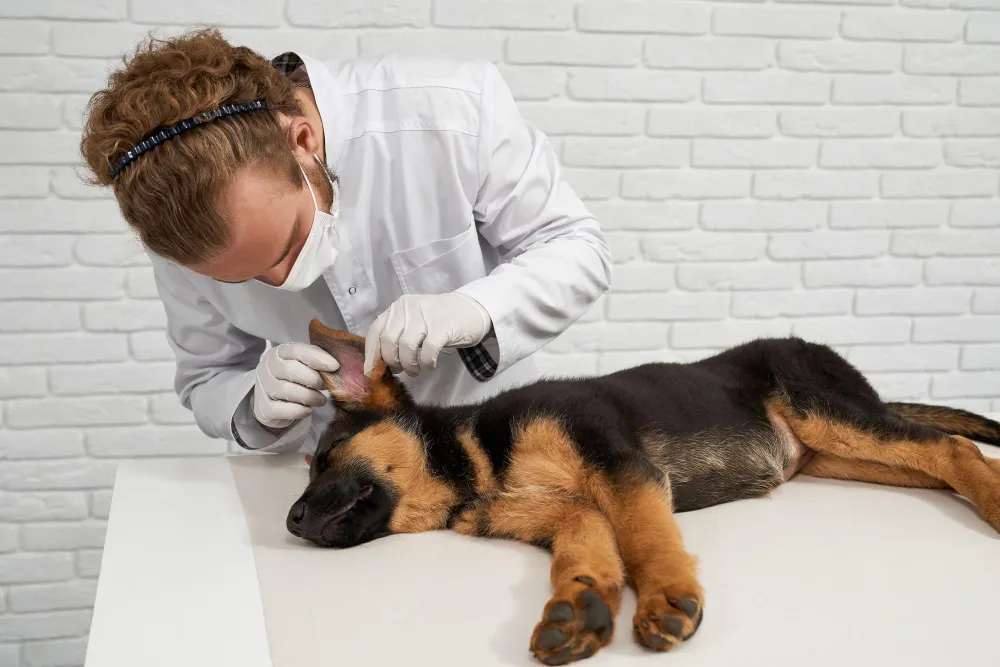
- Inspect ears and skin
- Listen to the heart and lungs
- Discuss nutrition and exercise
Regular wellness exams help detect health problems early before they become serious.
Indoor Pets Need Vaccines Too
Many people believe indoor pets do not need vaccines. However, indoor pets can still be exposed to diseases.
Viruses and bacteria can enter the home through:
- Shoes
- Clothing
- Visitors
- Other animals
- Open doors or windows
Indoor cats and dogs still benefit from routine vaccinations to stay protected.
How to Prepare for a Vaccination Appointment
Preparing properly can make the vet visit easier for both pets and owners.
Here are some helpful tips:
- Keep your pet calm before the visit
- Bring previous medical records
- Use a secure leash or pet carrier
- Arrive on time
- Ask the veterinarian questions about vaccine schedules
After vaccination, give your pet time to rest and provide fresh water and comfort.
Choosing the Right Pet Vaccination Service
Finding a trusted veterinary clinic is important for your pet’s health and safety.
Look for a clinic with:
- Licensed veterinarians
- Friendly and caring staff
- Clean facilities
- Good customer reviews
- Emergency support services
A reliable veterinarian will explain vaccines clearly and create a personalized care plan for your pet.
Final Thoughts
Regular cat and dog vaccination services are one of the best ways to protect your furry friend from dangerous diseases. Vaccines strengthen the immune system, prevent serious illness, and help pets live longer and healthier lives.
Vaccination also protects families, other pets, and the wider community from harmful disease outbreaks.
Whether your pet is young or old, indoor or outdoor, regular vaccinations at Royal Vet Clinic are an important part of responsible pet ownership.
Healthy pets bring happiness, love, and companionship every day. By keeping vaccinations up to date, you are giving your beloved cat or dog the care and protection they truly deserve.




















Sign in to leave a comment.