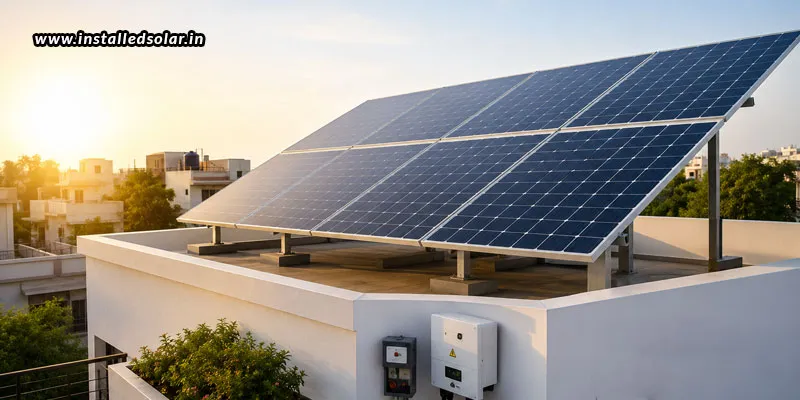

Electricity is an essential part of modern living, powering everything from household appliances to high-consumption devices like air conditioners and electric vehicles. However, rising electricity tariffs are increasing monthly expenses for homeowners across India. To reduce this dependency and manage energy costs, many families are turning towards rooftop solar solutions. With advancements in technology, improved awareness, and government support, solar systems have become more accessible for residential properties. By generating clean electricity from available roof space, rooftop solar helps homeowners lower power bills, achieve greater energy independence, and enjoy long-term financial and environmental benefits.
Rising electricity bills are encouraging more homes to go solar
One of the biggest reasons behind the growing adoption of rooftop solar is the increasing cost of electricity. As households add more electrical appliances and their daily power consumption increases, monthly electricity bills continue to rise. Rooftop solar provides a way to reduce this dependency by allowing families to generate a portion of their electricity requirements. Solar panels installed on rooftops convert sunlight into electricity that can be used to power household appliances during the day. This reduces the amount of electricity purchased from the grid, helping homeowners lower their monthly energy expenses. Instead of continuously paying increasing electricity bills, homeowners can invest in a system that generates clean power and delivers financial benefits throughout its lifespan.
Turning unused rooftops into a power-generating asset
For many residential properties, rooftops remain unused spaces that do not contribute any direct value. Rooftop solar transforms this unused area into an electricity-generating asset. Solar panels can be installed on rooftops to generate their own power without requiring additional land. This makes rooftop solar an ideal solution for urban areas where land availability is limited. Instead of leaving rooftops unused, homeowners can utilize this available space to produce clean and renewable energy for daily consumption. Properly designed rooftop solar systems make efficient use of sunlight while reducing dependence on conventional electricity sources. A rooftop solar installation ensures that panels receive maximum sunlight throughout the day, improving energy generation and overall system performance. This helps homeowners make better use of their property while contributing towards a more sustainable energy future.
Better control over electricity bills
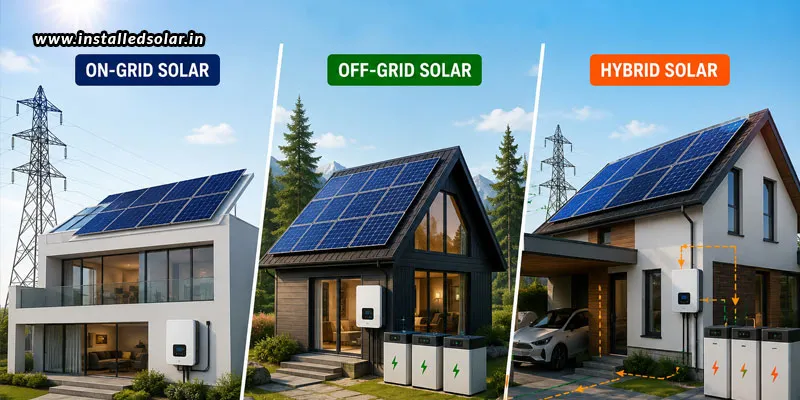
Rooftop solar allows families to generate their own power instead of depending completely on external electricity sources. A typical rooftop solar system includes solar panels, an inverter, mounting structures, wiring, and safety components. Solar panels capture sunlight and convert it into electricity, while the inverter converts the generated power into usable electricity for household appliances. The electricity produced can be used to operate daily household devices, reducing the amount of power that needs to be purchased from the grid. In many cases, excess electricity generated during high-sunlight periods can also be supplied back to the grid through applicable net metering arrangements. By reducing dependence on traditional electricity sources, rooftop solar helps homeowners manage energy costs more effectively while providing greater reliability and improved control over their long-term energy consumption.
Why rooftop solar is a smart long-term investment
Rooftop solar is not just an energy solution; it is also a long-term investment. Although there is an upfront cost involved in purchasing and installing a solar system, the savings generated over the years make it financially beneficial. The electricity produced by solar panels reduces the need to purchase power from the grid. As electricity tariffs continue to increase, generating a portion of household power requirements through solar can help protect homeowners from rising energy costs. The reduced monthly electricity expenses can gradually offset the initial installation cost, improving the overall return on investment. Over time, these savings help recover the initial investment and continue providing financial benefits throughout the system’s operational life. Solar panels can continue generating electricity for many years. This makes rooftop solar a valuable investment for homeowners looking to reduce recurring expenses and plan better for future energy needs.
How professional installation improves solar performance
The performance and efficiency of a rooftop solar system depend significantly on proper installation. Choosing the right system design, quality components, and correct installation methods ensures reliable electricity generation for years.
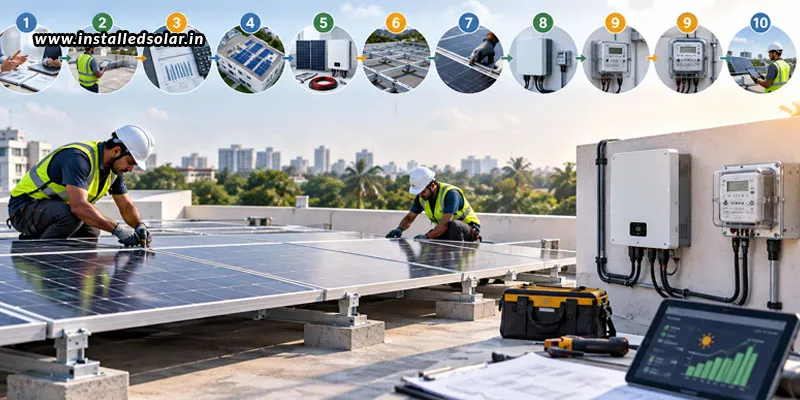
Professional installation involves evaluating the property, understanding energy requirements, selecting suitable equipment, and ensuring proper placement of solar panels. Correct mounting, secure electrical connections, and safety measures help improve system durability and performance. A professionally installed solar system provides homeowners with better reliability, improved safety, and greater value from their investment. For homeowners looking for rooftop solar in Banashankari, choosing reliable solar solutions is essential for achieving efficient and long-term energy savings. iNSTALLED offers quality solar products designed to support residential energy needs, helping families reduce electricity costs and adopt a more sustainable approach to power consumption. With the right solar system, homeowners in Banashankari can make better use of available rooftop space and move towards greater energy independence.
Is rooftop solar right for your home?
Rooftop solar can be a suitable solution for homeowners looking to reduce electricity costs and adopt cleaner energy practices. However, certain factors should be evaluated before installation. Homeowners should consider their monthly electricity consumption, available rooftop space, budget, future energy requirements, and local sunlight conditions. A proper assessment helps determine the ideal solar system size and configuration. Factors such as roof orientation, shading from nearby buildings or trees, and the quality of solar components also influence the overall performance of the system. Understanding these aspects allows homeowners to make informed decisions and ensure better energy generation over the years. Homes with adequate roof space and good sunlight exposure can benefit significantly from rooftop solar by reducing electricity expenses and improving energy independence.
The growing popularity of rooftop solar reflects a major shift in how homeowners approach energy consumption. Rising electricity costs, increasing environmental awareness, and advancements in solar technology are encouraging more families to move towards renewable energy. Rooftop solar offers a combination of financial savings, energy independence, and sustainability, making it a practical choice for modern homes. By converting unused rooftop space into a source of clean electricity, homeowners can reduce their dependence on conventional power sources while creating long-term value. As India continues its transition towards renewable energy, rooftop solar will remain an important solution for families seeking a smarter, cleaner, and more economical way to meet their electricity needs.
Resource: Why Rooftop Solar Is Becoming The Preferred Energy Solution For Indian Homes

























Sign in to leave a comment.