
Selecting an investment property is not only about finding an attractive building in a developing location. A property becomes commercially meaningful when there is a clear reason for people to live in it, lease it, use it or pay for the experience it provides.
This reason is called demand.
Residential property depends primarily on people wanting homes. Commercial property depends on businesses and customers. A resort-oriented property draws its commercial relevance from leisure travel, destination weddings, celebrations, corporate gatherings and premium short stays.
Therefore, investors should not evaluate every property in Jaipur through the same method. A centrally located apartment and a managed resort villa may both be real estate assets, but the demand supporting them is entirely different.
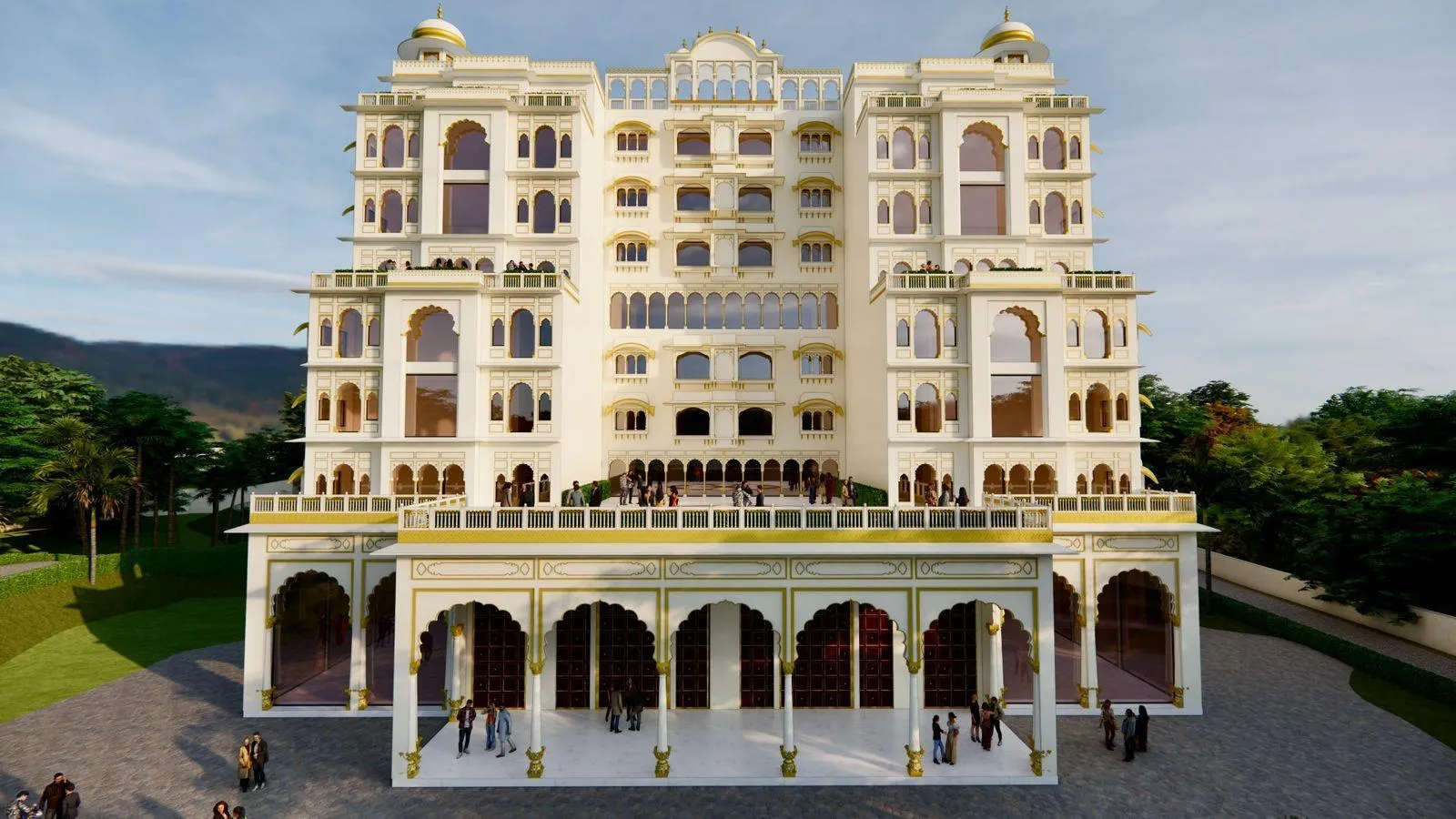
Sonagarh Fort Resort is positioned within Jaipur’s Kukas hospitality corridor as a resort development containing eligible investment-oriented rooms, suites and villas. Buyers searching for the Best Property for Investment in Jaipur should examine how this hospitality-based demand model differs from conventional residential rent.
Quick Answer: Why Is Demand Important in Property Investment?
Demand determines who may use, rent, book or eventually purchase a property.
A residential apartment requires tenants or homebuyers. A commercial unit needs suitable businesses. A hospitality-oriented property depends on travellers, wedding groups, families, corporate guests and other people seeking resort experiences.
Investors should identify the property’s expected user before comparing projected income or future value. If the property format, location and user demand are aligned, the investment has a clearer commercial purpose.
Sonagarh Fort Resort’s position in Kukas connects it with Jaipur’s established resort, leisure and destination-wedding environment.
What Does Property Demand Actually Mean?
Demand is not simply the number of people living in a city. It refers to the number of suitable users who want a particular type of property at an acceptable price.
For example, thousands of people may move to Jaipur every year, but that does not mean every residential project will experience identical rental demand. Tenants make decisions based on employment, transport, schools, healthcare, neighbourhood development and affordability.
Hospitality demand works differently. Travellers do not need a permanent home. They need temporary accommodation connected with a purpose, such as:
- A leisure holiday
- A destination wedding
- A family celebration
- A corporate gathering
- A weekend break
- A group stay
- A social event
- A wellness escape
- A cultural experience
- A visit from another city
The property must therefore be designed, located and managed according to these short-stay requirements.
Why Does Jaipur Support Different Property Markets?
Jaipur serves several economic and social functions simultaneously.
It is Rajasthan’s capital, a major tourism destination, an educational centre, a wedding destination and a growing commercial city. It is also connected with Delhi NCR and other parts of Rajasthan through road, rail and air networks.
These characteristics create different demand segments:
Residential Demand
Employees, students, families, business owners and retirees may need homes in or around Jaipur. Their priorities can include schools, workplaces, hospitals, retail and everyday transport.
Commercial Demand
Retailers, offices and service businesses need properties with visibility, accessibility, customer movement and an appropriate surrounding market.
Tourism Demand
Domestic and international travellers visit Jaipur for forts, palaces, architecture, culture, shopping and food.
Wedding Demand
Jaipur’s heritage identity and hospitality infrastructure make it relevant for destination weddings and multi-day celebrations.
Leisure Demand
Families, couples and groups may seek resort stays, weekend breaks and nature-oriented experiences outside dense city areas.
Corporate Demand
Businesses may require places for meetings, offsites, conferences and team gatherings.
A resort property can potentially interact with several of these hospitality-related segments rather than depending on only one type of traveller.
Why Is Kukas Different From a Residential Locality?
A strong location must be appropriate for the intended property use.
A residential buyer may prefer proximity to offices, schools and daily services. A shop owner may prioritise footfall and visibility. A resort development needs accessibility, privacy, open surroundings and a location already associated with hospitality.
Kukas has developed a distinctive identity within Jaipur’s wider property market. It is known for:
- Premium resorts
- Destination-wedding venues
- Leisure stays
- Educational institutions
- Jaipur–Delhi Highway access
- Movement from Delhi NCR
- Lower-density development
- Hospitality-oriented properties
- Weekend travel
- Group events and celebrations
These characteristics make Kukas especially relevant for resort and hospitality development.
Sonagarh Fort Resort should therefore be evaluated according to its ability to participate in this hospitality ecosystem, not by comparing it only with rent from a city apartment.
What Is Demand-Led Property Selection?
Demand-led selection means identifying the expected property user before choosing the asset.
An investor can follow a simple sequence:
- Identify the target user.
- Understand why that person needs the property.
- Examine whether the location serves that need.
- Evaluate the available property format.
- Study the operational model.
- Review the ownership and management documents.
- Calculate the complete cost.
- Assess the possible holding period.
- Understand resale possibilities.
- Make the final decision according to personal objectives.
For a Sonagarh unit, the likely commercial user is not a conventional residential tenant. The unit may instead participate in a resort environment serving travellers, families, couples, wedding guests and other hospitality customers.
Why Can Destination Weddings Support Resort Demand?
Destination weddings involve far more than one ceremony.
A multi-day wedding may require:
- Guest accommodation
- Ceremony venues
- Dining arrangements
- Pre-wedding functions
- Family gatherings
- Hospitality coordination
- Entertainment
- Photography locations
- Transport planning
- Extended check-in periods
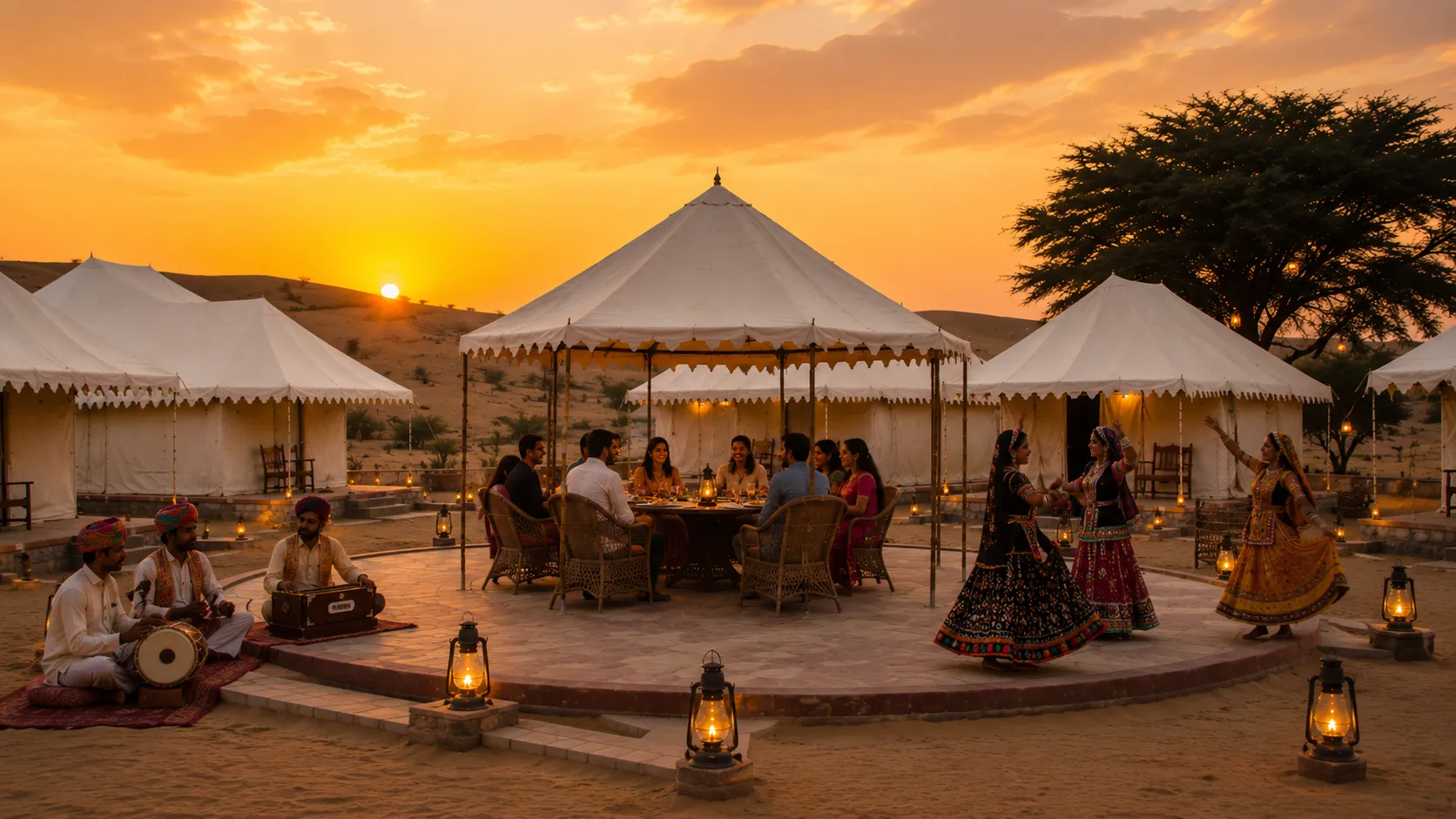
This creates a different type of demand from an ordinary hotel booking. A wedding party may require several rooms and resort services for multiple days.
Kukas is already recognised as an important hospitality corridor near Jaipur. Its accessibility, resort environment and distance from congested urban areas make it relevant for celebrations requiring space and privacy.
A resort-oriented property located within this corridor may therefore be connected with a broader wedding ecosystem rather than depending exclusively on individual room bookings.
How Can Weekend Travel Contribute to Hospitality Demand?
Not every guest visiting a resort comes from another state or country. Jaipur residents and travellers from nearby cities may also take short leisure breaks.
Modern work routines often make long holidays difficult. This has increased interest in:
- One-night stays
- Weekend breaks
- Family getaways
- Couple retreats
- Birthday stays
- Anniversary trips
- Small reunions
- Corporate offsites
A resort near an accessible highway can serve guests who want a meaningful change of environment without planning a long journey.
Kukas benefits from its position on the Jaipur–Delhi side of the city, giving it relevance for travellers arriving from Jaipur as well as the wider highway corridor.
Why Does Professional Resort Management Matter?
Demand alone cannot create a successful hospitality experience. Guests must be able to discover, book and comfortably use the property.
A resort operation may require:
- Digital marketing
- Booking management
- Pricing decisions
- Guest communication
- Reception services
- Housekeeping
- Food and beverage operations
- Property maintenance
- Event coordination
- Security
- Common-area management
- Service-quality control
- Periodic refurbishment
- Review management
An independent property owner may find it difficult to handle all these responsibilities consistently.
A managed resort model can place agreed operational duties with a professional team. This may allow individual units to function as part of one coordinated hospitality environment.
Investors evaluating Resort Villa Investment in Jaipur should therefore examine both the physical property and the management structure intended to create the guest experience.
How Does Sonagarh Fort Resort Match Hospitality Demand?
Sonagarh Fort Resort combines investment-oriented accommodation with a larger resort concept.
Based on the project information, the proposed unit categories include:
- Deluxe Palace Room
- Palace Suite Room
- Super Deluxe Villa
- Grand Suite Villa
- Residential Mansion Suite
The supplied areas range approximately from 450 square feet to 1,300 square feet. Buyers should verify exact layouts, specifications, current inventory and ownership rights directly through the applicable documents.
These categories may serve different hospitality requirements. Rooms and suites can support shorter stays, while larger villa-style units may provide additional space, privacy and premium positioning.
The presence of multiple categories can help a resort accommodate different guest preferences within the same project environment.
Why Should Investors Separate Market Demand From Project Demand?
Jaipur may have strong tourism and wedding activity, but investors should still understand how a particular project plans to attract guests.
Market demand describes the overall opportunity. Project demand depends on how effectively one property competes within that market.
Investors can ask:
- Which guest segment will the resort target?
- How will bookings be generated?
- Will the project focus on leisure, weddings, corporate events or multiple segments?
- Who will manage daily operations?
- How will room rates be decided?
- What facilities will support the guest experience?
- How will the resort be marketed?
- How will service quality be maintained?
- Which unit categories are expected to serve different guests?
- How will owners receive operating information?
These questions help the investor understand how Sonagarh plans to convert Jaipur’s hospitality opportunity into demand for the project.
Why Can Multiple Demand Segments Be Valuable?
A property dependent on only one user category may experience uneven demand when that segment becomes less active.
A resort capable of serving several guest types may have a broader commercial context.
Possible segments for a Jaipur resort can include:
- Couples
- Families
- Wedding groups
- Corporate teams
- Celebration guests
- Weekend travellers
- Tourists
- Small social groups
- Event attendees
- Visitors from Delhi NCR
Each group may travel at different times and for different reasons.
For example, weddings may create group demand during celebration seasons, while families and couples may travel on weekends or holidays. Corporate groups may prefer weekdays for meetings or offsites.
A diversified hospitality strategy can help a resort remain relevant to more than one category of guest.
How Should an Investor Examine the Income Model?
Hospitality income differs from conventional residential rent.
A residential tenant generally pays an agreed monthly amount. Resort revenue can be influenced by:
- Room tariff
- Occupancy
- Season
- Weekday and weekend demand
- Events
- Weddings
- Group bookings
- Operating expenses
- Management charges
- Marketing costs
- Maintenance
- Taxes
- Refurbishment requirements
If Sonagarh offers a defined financial arrangement, the buyer should understand how it is documented and calculated.
Important questions include:
- Is the financial benefit fixed or performance-linked?
- Is the displayed figure gross or net?
- Which costs are deducted?
- Who is legally responsible for payment?
- When do payments begin?
- Does construction completion affect the start date?
- How often will owners receive statements?
- Does personal use affect the calculation?
- Are maintenance charges separate?
- What happens after the initial agreement period?
Written clarity allows the investor to connect demand expectations with the actual commercial model.
Why Is Personal Use Relevant to Resort Demand?
A managed resort unit may offer owner-stay benefits under documented terms.
This can provide lifestyle utility, but personal use must be coordinated with guest demand. Owners may naturally prefer weekends, holidays and wedding seasons—the same periods when hospitality demand may be higher.
The management agreement should therefore explain:
- Number of permitted owner-stay days
- Advance-booking requirements
- Blackout dates
- Eligible seasons
- Charges payable during a stay
- Whether family members can use the benefit
- Whether unused days can be transferred
- How owner stays affect financial calculations
A clear structure allows commercial operations and owner utility to work together.
What Makes Hospitality Property Different From a Holiday Home?
A privately owned holiday home is usually maintained primarily for the owner. It may occasionally be rented, but the owner remains responsible for its upkeep and booking arrangements.
A hospitality-oriented property is intended to function within an organised guest-service environment.
The differences may include:
Management
A holiday home is often owner-managed. A resort unit may be operated under a professional agreement.
Guest Services
An independent property may offer limited service. A resort environment can provide coordinated reception, housekeeping and common facilities.
Marketing
The owner may market a holiday home individually. A managed resort can promote the complete property under one brand.
Standards
Holiday-home furnishings depend on the owner. Resort units may follow common presentation and maintenance standards.
Commercial Model
A holiday home earns income through direct rentals. A managed property may follow a documented hospitality-related arrangement.
Personal Use
Holiday-home access is usually controlled by the owner. Resort-unit access may follow defined conditions.
Investors should decide which type of ownership experience they prefer.
What Should Buyers Verify About Sonagarh?
A demand-focused analysis should be supported by a document-focused review.
Prospective buyers should verify:
- Exact project registration
- Promoter’s legal name
- Registered project address
- Applicable approvals
- Unit number and area
- Ownership rights
- Construction specifications
- Payment schedule
- Possession timeline
- Management agreement
- Maintenance responsibilities
- Financial arrangement
- Owner-use benefits
- Transfer provisions
- Resale conditions
- Applicable taxes and charges
The project team may provide agreements and supporting documents, but buyers should read the complete written terms and seek independent professional guidance when required.
Can Amenities Create Demand on Their Own?
Amenities can strengthen a resort experience, but they should support a clear guest purpose.
For example:
- Event spaces may support celebrations.
- Landscaped areas may improve leisure stays.
- Dining facilities can serve guests and groups.
- Wellness facilities may appeal to relaxation-focused visitors.
- Private spaces can improve premium positioning.
- Recreational areas can make family stays more engaging.
The number of amenities is less important than how consistently they are operated and maintained.
Investors should examine whether the project’s proposed facilities match the guests it wants to attract.
Who May Find Sonagarh’s Demand Model Relevant?
Sonagarh Fort Resort may appeal to buyers who:
- Want exposure to Jaipur’s hospitality market
- Prefer a managed property format
- Understand that resort income differs from residential rent
- Value Kukas as a hospitality location
- Are comfortable with a longer holding perspective
- Want possible owner-use benefits
- Appreciate premium resort positioning
- Want an asset connected with weddings and leisure travel
- Are willing to examine the project agreements
- Prefer professional operations over self-management
The final suitability depends on the buyer’s budget, goals and understanding of the commercial structure.
Frequently Asked Questions
Why is demand important when selecting investment property?
Demand identifies who will use, rent, book or eventually purchase the property. Without a clear user, even an attractive property may have limited commercial purpose.
What type of demand supports Sonagarh Fort Resort?
Sonagarh is positioned within the hospitality market. Its potential guest segments may include leisure travellers, families, couples, wedding groups, corporate guests and people planning celebrations.
Why is Kukas suitable for a resort-oriented project?
Kukas is associated with premium resorts, destination weddings, highway connectivity, educational institutions and lower-density development. These factors give it a distinct hospitality-oriented identity.
Is hospitality income the same as residential rent?
No. Residential rent is generally paid monthly by a tenant. Hospitality income can be affected by bookings, tariffs, occupancy, seasonality, events and operating expenses.
Who manages a resort investment unit?
The responsible operator and division of duties should be stated in the project’s management agreement. Buyers should verify exactly which services are included.
Can a resort unit be used personally by its owner?
Personal stays may be available under documented terms. Buyers should confirm the allowed number of days, booking process, blackout dates and applicable charges.
Which unit categories are proposed at Sonagarh?
The supplied project information includes Deluxe Palace Rooms, Palace Suite Rooms, Super Deluxe Villas, Grand Suite Villas and Residential Mansion Suites.
Does tourism growth guarantee property returns?
No single market factor determines a project’s financial performance. Buyers should examine the complete ownership, demand, management and financial structure.
What documents should an investor examine?
Important documents include project registration, approvals, unit details, sale agreement, payment schedule, management agreement, maintenance terms and financial commitments.
Is Sonagarh a residential project?
Sonagarh Fort Resort is positioned as a hospitality-oriented resort development with eligible investment units, rather than a conventional city apartment project.
Conclusion
A suitable investment property should be connected with a clear and understandable source of demand.
Residential properties rely on people needing homes. Commercial properties depend on business activity. Resort-oriented developments depend on travellers, weddings, leisure stays, corporate gatherings and other hospitality users.
Sonagarh Fort Resort’s position in Kukas connects it with Jaipur’s established resort and celebration environment. Its rooms, suites and villas form part of a larger hospitality concept intended to serve multiple guest segments.
Anyone considering Hospitality Property Investment in Jaipur should examine how the project plans to attract, serve and retain those guests. When the location, property format, management model and intended user work together, the investment has a more clearly defined commercial purpose.



























Sign in to leave a comment.