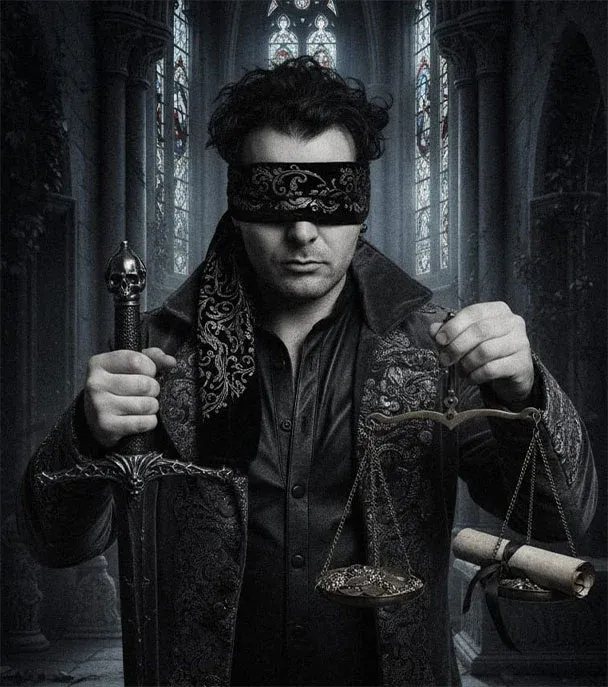

Some crime stories grab your attention with an explosion or a shocking murder. Others take a quieter route. They build tension slowly, introduce questions one by one, and make you wonder what is really happening. That approach can be especially effective in a Dark Crime Thriller Book, where suspense grows through secrets, suspicion, and psychological pressure. Instead of revealing everything at once, slow-burn storytelling gives readers time to become invested in the characters and the mystery.
What Is Slow-Burn Tension?
Slow-burn tension is about creating anticipation without rushing the story. A writer may introduce a strange event, an unexplained motive, or a suspicious character and then gradually reveal more information.
However, slow does not mean boring. The story still needs movement. Each scene should add something—a clue, a question, a character conflict, or a new reason to doubt what seemed true before.
Moreover, this style allows suspense to grow naturally. Readers may start with a simple question, but consequently, that question can lead to several others.
Why Small Details Matter
In a slow-burning crime story, small details can carry surprising weight. A conversation, a hidden document, an unusual reaction, or a forgotten event may seem insignificant at first.
Later, however, that detail can become an important part of the mystery.
This is one reason suspenseful storytelling works so well in crime fiction. Readers are encouraged to pay attention rather than simply wait for the next dramatic event.
How Slow-Burn Suspense Keeps Readers Curious
A gripping mystery plot depends heavily on curiosity. Readers continue because they want answers, but strong suspense does not give those answers too quickly.
For example, a story might reveal that something is wrong without immediately explaining why. Therefore, readers begin forming their own theories.
They may ask:
- Who is hiding the truth?
- What happened before the story began?
- Can the main character trust the people around them?
- Is the investigation leading toward justice or revenge?
- What secret could change everything?
Consequently, the reader becomes part of the investigation. Every new piece of information can confirm one theory while destroying another.
Slow-Burn Tension and Psychological Crime Fiction
Psychological crime fiction often benefits from a slower pace because the real tension may exist inside the characters.
A character might appear calm while carrying fear, anger, guilt, or suspicion. Similarly, an investigator may continue following evidence even when the truth becomes personally difficult to accept.
That internal pressure can be just as important as an external threat.
Furthermore, psychological tension gives readers time to understand why characters behave in certain ways. Instead of rushing from one event to another, the story allows emotions and motives to develop.
This creates a deeper connection between character and plot. The reader is not only asking what will happen next. They are also wondering what the characters will do when the pressure becomes impossible to ignore.
The Connection Between Mystery and Suspense
Mystery and suspense are closely related, but they create different feelings.
A mystery encourages readers to solve a problem. Suspense makes them worry about what might happen next. When both work together, the result can be highly engaging.
A crime investigation story can use clues to create mystery while using danger, uncertainty, and time pressure to create suspense. Therefore, the reader has two reasons to keep turning the pages.
Clues Should Create More Questions
One effective technique is to answer one question while creating another.
Suppose a character discovers who was connected to a crime. That discovery may seem like a solution. However, it could reveal that the person had a hidden connection to someone else.
Now the investigation continues.
This pattern keeps the story moving without relying on constant action. Moreover, it gives detective fiction elements such as suspects, clues, motives, and evidence a stronger purpose.
Why Readers Enjoy a Gradual Build-Up
Not every reader wants a story that explains everything immediately. Many readers enjoy watching a mystery develop naturally.
Slow-burn stories can make the final revelation feel more meaningful because the groundwork has already been established.
Consequently, when the truth finally appears, readers can look back and recognize the clues they may have missed.
This is particularly effective in intense thriller books. The tension does not suddenly appear at the end. Instead, it has been building throughout the story.
Slow-Burn Suspense in “Justice Died at Dawn”
“Justice Died at Dawn” explores crime, justice, betrayal, revenge, investigation, and psychological tension. These themes create an environment where suspense can develop through uncertainty and hidden motives.
The story also raises questions about what justice really means when powerful forces influence the world around the characters. As the narrative develops, personal choices become increasingly important.
The novel, associated with viktor ujkic, gives readers a crime-driven story where justice and revenge can come into conflict. Therefore, the emotional stakes are closely connected to the mystery.
Readers who enjoy crime fiction suspense can appreciate how questions surrounding truth and justice add weight to the central story.
The Power of Hidden Motives
A good crime thriller rarely depends on obvious motives alone. People may have reasons for hiding information, protecting someone, seeking revenge, or remaining silent.
Similarly, a character who appears trustworthy may have information they are unwilling to share.
This uncertainty creates room for thrilling plot twists. The reader may believe they understand a character, only to discover another side of their story.
Moreover, hidden motives can make a crime investigation feel personal. The investigation is no longer simply about finding evidence. It becomes a search for the reasons behind people's actions.
Building Toward a Strong Payoff
Slow-burn tension works best when the story eventually delivers a satisfying payoff.
The ending does not necessarily need to explain every tiny detail. However, the major questions should feel connected to the journey that came before them.
A strong payoff can make readers reconsider earlier scenes. A conversation that seemed ordinary may suddenly have a different meaning. A character's unusual behavior may finally make sense.
Therefore, the best slow-burn page-turner novels reward readers for paying attention.
Why Dark Crime Thrillers Need Patience
A Dark Crime Thriller Book can explore difficult subjects such as corruption, betrayal, revenge, violence, and moral conflict. Because these themes often involve complicated characters, rushing the narrative can reduce their emotional impact.
A slower approach gives the story room to breathe.
However, pacing still matters. Slow-burn does not mean filling pages with unnecessary descriptions. Every chapter should contribute to the mystery, character development, or growing sense of danger.
Consequently, effective pacing comes from controlled revelation rather than simply moving slowly.
The Lasting Appeal of Slow-Burn Crime Stories
Readers who enjoy mystery and suspense books often appreciate stories that trust them to connect the dots. Instead of explaining every clue immediately, the narrative leaves enough space for curiosity.
That is where suspenseful storytelling becomes powerful.
A Dark Crime Thriller Book can keep readers engaged by combining a carefully developing mystery with psychological conflict, meaningful characters, and unexpected discoveries. Rather than depending only on action, it creates tension through questions that refuse to disappear.
Final Thoughts
Slow-burn tension works because it makes readers wait for answers while constantly giving them reasons to keep reading. Moreover, it allows crime, investigation, psychology, and character development to work together naturally.
For readers searching for a crime thriller novel filled with suspense, investigation, justice, betrayal, and psychological tension, “Justice Died at Dawn” offers an intriguing story to add to their reading list.
Start Reading Today
Ready for a mystery that builds tension and keeps the questions coming?
Visit Viktor Ujkic Library, get “Justice Died at Dawn,” and start reading today.
























Sign in to leave a comment.