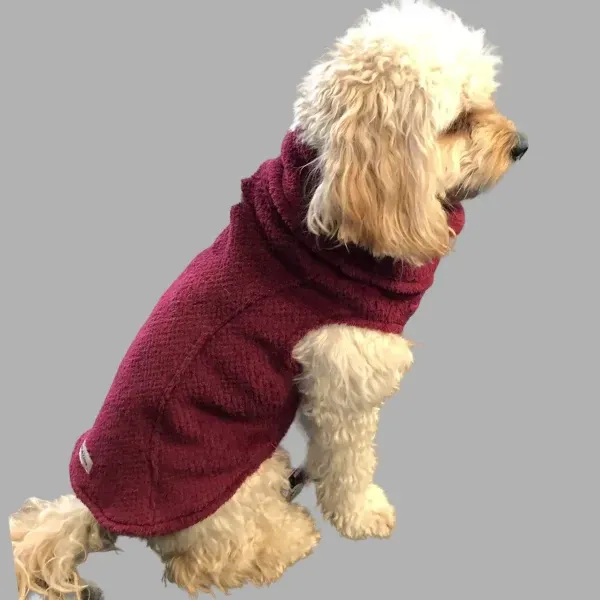

If you have a Chihuahua, Yorkie, or another toy breed, you may have noticed something: your dog seems cold long before you do.
That isn't necessarily fussiness. Small dogs genuinely have different temperature-management needs, and their size, coat type, age, activity level, and the weather can all affect how quickly they become uncomfortable or lose body heat.
Veterinary guidance from VCA specifically identifies small dogs such as Chihuahuas and Yorkshire Terriers as dogs that can lose heat quickly because of their tiny bodies.
So, while a sweater might look like a fashion choice, for some small dogs, an appropriate layer can be a practical part of cold-weather care.
Why Small Dogs Get Cold Faster
Dogs regulate their body temperature differently from humans. Their normal body temperature is higher, generally around 100°F to 102.5°F (37.7°C to 39.2°C), and maintaining that temperature becomes harder when environmental conditions are unfavorable.
Size matters, too.
A small dog has less body mass and can lose body heat relatively quickly. VCA notes that Chihuahuas and Yorkshire Terriers are among the dogs that should be given extra protection in cold conditions because they lose heat quickly from their small bodies.
That's why comparing your Yorkie's tolerance for cold with that of a large, heavily coated dog can be misleading.
A Siberian Husky may happily walk through chilly weather while your Chihuahua is already shivering.
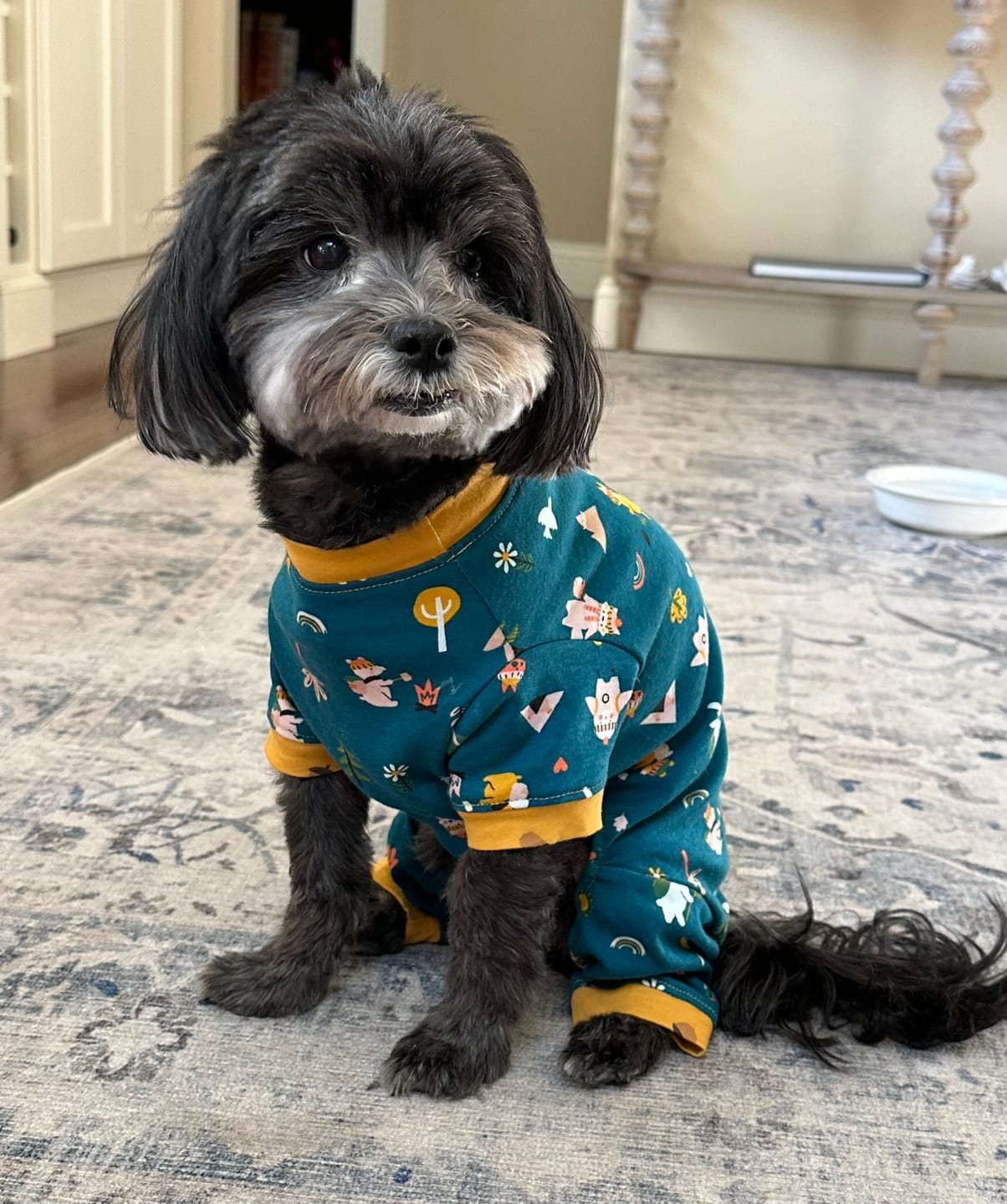
Chihuahuas and Yorkies Aren't Just “Being Dramatic”
Small breeds are sometimes portrayed as being naturally sensitive or fussy about the cold. There is a physiological reason they may genuinely need more protection.
VCA specifically notes that Chihuahuas lose body heat rapidly because of their small size. Long-haired Chihuahuas can also have relatively little undercoat, meaning their longer hair doesn't necessarily provide the same insulation people might assume.
Yorkshire Terriers can face similar challenges because their small size gives them less body mass to retain heat.
This becomes particularly relevant during:
- Cold morning or evening walks
- Winter outings
- Rainy or damp weather
- Windy conditions
- Extended outdoor activity
- Homes that are cool indoors
- Trips where your dog spends time sitting rather than moving
The key point is that temperature tolerance isn't determined by breed name alone. Size, coat, age, health, activity and acclimatization all matter.
When Does a Small Dog Actually Need a Layer?
There isn't one universal temperature at which every dog needs a coat.
The American Kennel Club's veterinary guidance emphasizes that individual dogs respond differently to cold and recommends considering factors such as breed, climate, activity and duration outdoors. Small and toy breeds are among those that often benefit from coats in cold weather.
Instead of relying solely on the thermometer, pay attention to your dog.
Signs your dog may be getting too cold include:
- Shivering or trembling
- Curling up tightly to conserve warmth
- Cold ears or feet
- Becoming reluctant to walk
- Slowing down unusually
- Trying to return indoors
- Acting tired or less responsive
Shivering and curling up are recognized early signs of hypothermia, although these symptoms can have other causes as well.
If your dog appears significantly cold, weak, unusually lethargic, or unresponsive, don't simply add another layer and continue the outing. Bring them somewhere warm and contact your veterinarian.
Layering Is About Protection, Not Fashion
This is where many owners underestimate the needs of toy breeds.
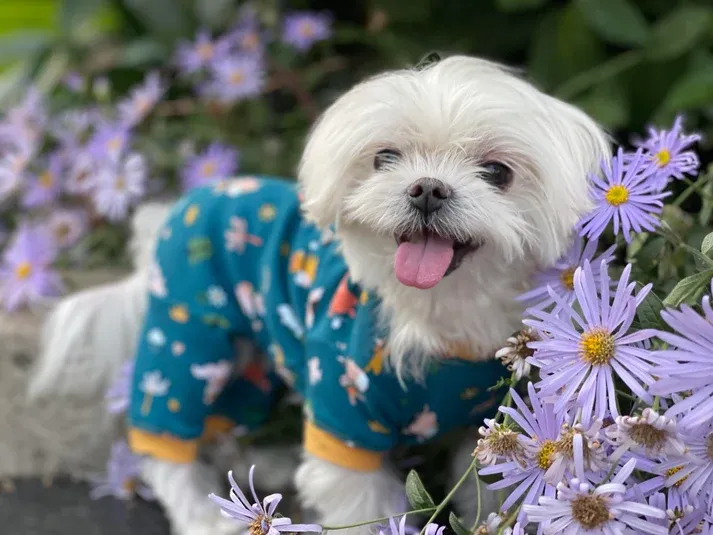
Dog clothing is often associated with cute photos, seasonal outfits and accessories. But a properly fitted sweater or coat can serve a completely different purpose: adding insulation when your dog's natural protection isn't enough.
The American Kennel Club notes that sweaters and coats can be particularly useful for small, short-coated and hairless dogs, while VCA specifically recommends jackets for small breeds such as Chihuahuas and Yorkshire Terriers in cold weather.
The goal isn't to bundle your dog up as much as possible.
It's to provide the amount of insulation your individual dog actually needs.
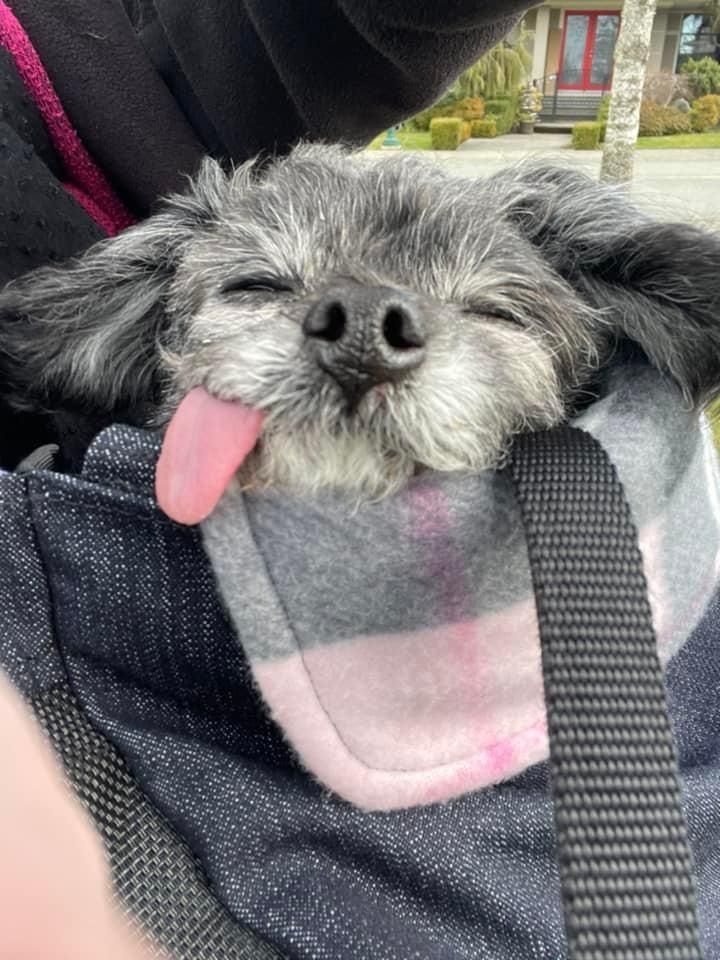
What Makes a Good Cold-Weather Layer?
Not every sweater or jacket is automatically useful.
When choosing clothing, focus on function first.
1. Proper fit
The garment should provide coverage without restricting movement, breathing or normal activity.
A coat that's too loose can shift or catch on objects. One that's too tight can cause discomfort and rubbing.
2. Appropriate coverage
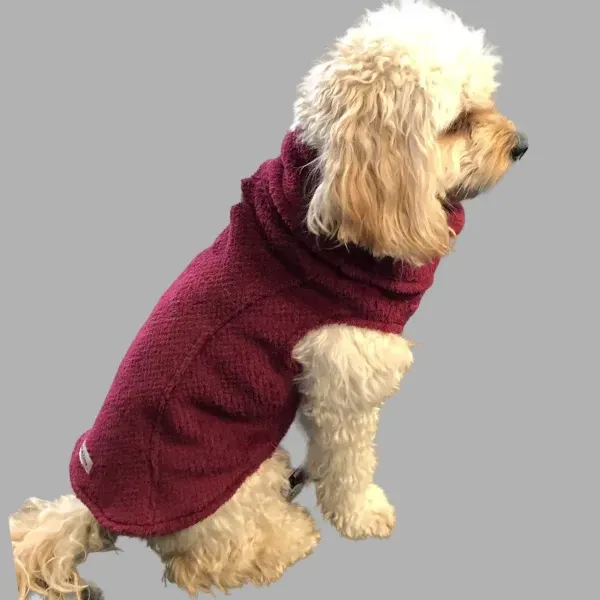
For a particularly cold-sensitive dog, a layer that covers the chest and back can offer more practical protection than a purely decorative garment.
3. Comfortable materials
Look for materials appropriate to the weather and your dog's coat and skin. If the clothing causes scratching or irritation, it isn't doing its job.
4. Freedom of movement
Your dog should be able to walk, sit, lie down and move naturally.
This is especially important for active dogs. Practical performance fashion for dogs should prioritize mobility and weather protection rather than simply adding more material.
5. Easy removal
Weather can change, and dogs can become warm quickly during activity. A layer should be easy to remove when your dog no longer needs it.
Don't Forget That Small Dogs Can Overheat, Too
Layering doesn't mean keeping a dog wrapped up continuously.
Dogs also have their own mechanisms for controlling body temperature. Panting is their primary method of releasing excess heat, and dogs can become overheated when conditions are too warm.
That's why winter clothing should be treated as situational protection, not something a dog automatically needs all day.
A Chihuahua that needs a warm coat for a chilly morning walk may not need that same coat inside a heated home.
And never leave a dog unattended while wearing clothing if there is a risk of overheating, entanglement or discomfort.
What About Accessories?
Cold-weather protection isn't limited to the torso.
Paws, ears and tails can also be vulnerable during extreme cold. Frostbite can affect a dog's extremities, and small dogs are among those at greater risk.
Depending on the conditions, owners may consider practical items such as boots or other small dog accessories and clothes designed for weather protection.
But introduce accessories gradually. Some dogs need time to become comfortable wearing boots, coats or other equipment.
How to Shop More Intelligently
When browsing clothes for dogs and cats, don't start with color or style. Start with your pet's actual needs.
Ask:
What weather am I preparing for?
Cold, wind, rain and damp conditions may require different solutions.
How long will my dog be outside?
A five-minute bathroom break isn't the same as a 45-minute winter walk.
How active will my dog be?
A running dog generates more heat than a dog sitting in a carrier.
Does my dog have enough natural insulation?
Small, short-coated, thin-coated, young and senior dogs can need additional protection.
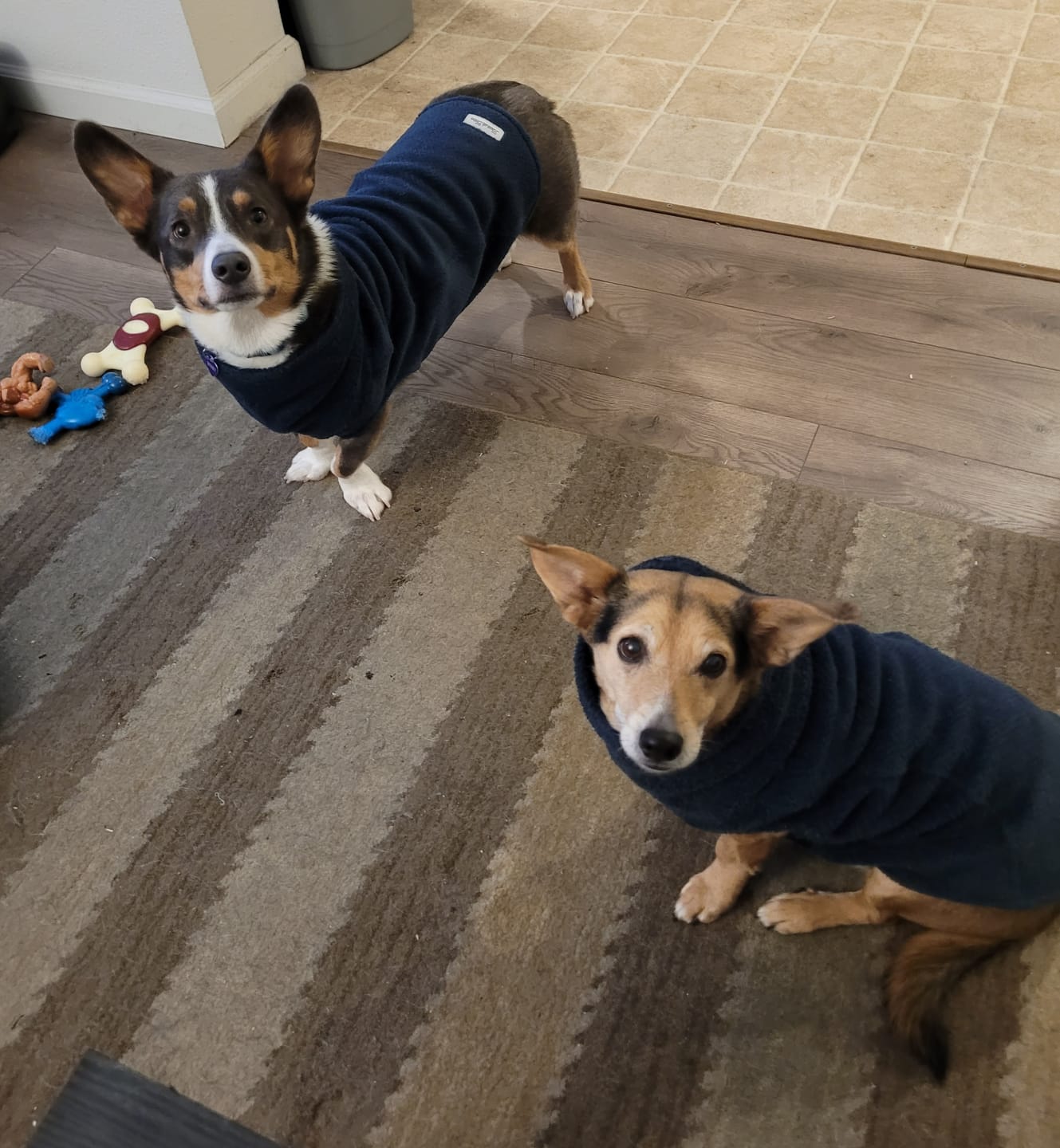
Does the garment actually fit?
A warm garment that restricts movement isn't a good solution.
A reputable pet clothing store should provide clear sizing information and explain the intended use of its products. And while dog brand clothing can be attractive, branding shouldn't replace checking the garment's fit, construction and suitability for your dog.
The Takeaway: Small Doesn't Mean Delicate, But It Does Mean Different
Small dogs aren't necessarily more fragile than large dogs. They simply have different physiological and environmental considerations.
For Chihuahuas, Yorkies and other toy breeds, cold weather can become uncomfortable or potentially dangerous sooner than many owners expect. Veterinary guidance supports giving extra consideration to small dogs because they can lose body heat quickly.
So don't think of a sweater or coat as automatically being a fashion statement.
For the right dog, in the right conditions, the right layer is simply another tool for keeping them comfortable and protected.
The best approach is to watch your dog, understand their individual tolerance, choose clothing that fits correctly, and consult your veterinarian when you're unsure, especially if your dog has an underlying health condition or shows signs of hypothermia.
A cute outfit is optional. Your dog's comfort isn't.



























Sign in to leave a comment.