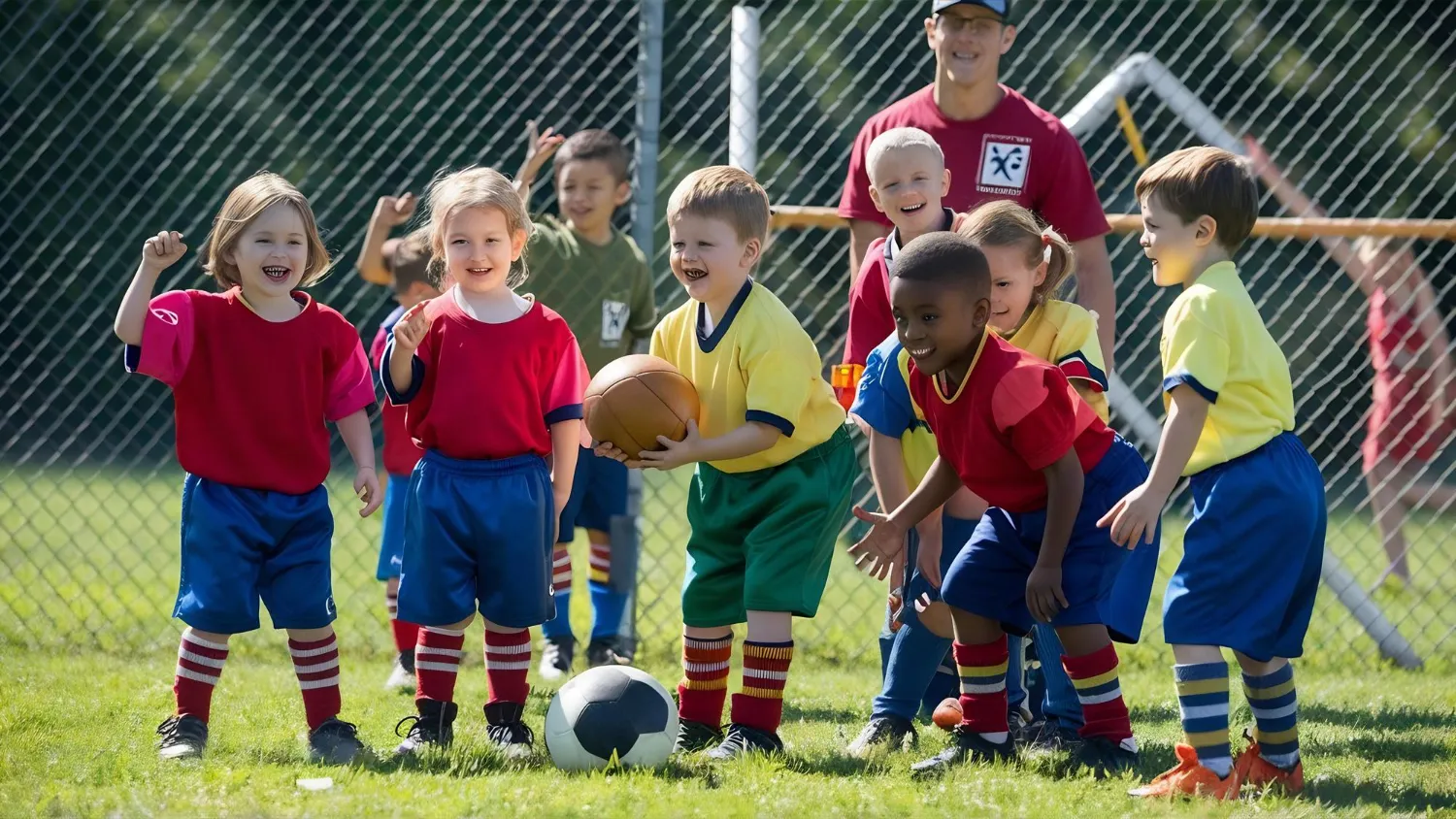

Early childhood is an important period for developing movement, communication, social interaction, and confidence. Preschool children learn through active exploration, repetition, and play, making sports activities a useful addition to their daily experiences. Soccer Classes for Preschools can introduce young children to basic movement and ball skills through simple games and age appropriate activities. Rather than focusing heavily on competition, preschool soccer can emphasize participation, coordination, listening, sharing, and enjoyment. These experiences can help children become comfortable with organized activities while supporting several areas of early childhood development.
Developing Fundamental Movement Skills
Young children are still learning how their bodies move, and soccer activities can provide opportunities to practice basic movements. Walking, running, stopping, turning, balancing, and kicking can all be incorporated into simple games. Children can explore these movements while following clear instructions from an instructor. Repetition allows children to become familiar with different actions without requiring advanced technical ability. Activities can be kept short and varied to match preschool attention spans. This approach can make movement enjoyable while gradually supporting physical confidence and coordination.
Improving Coordination
Coordination develops gradually during early childhood, and playful soccer activities can provide useful practice. Children can learn to move toward a ball, stop it with their feet, and kick it in a chosen direction. Simple obstacle courses can also encourage children to combine movement with visual awareness. These activities do not need to be complicated to provide meaningful practice. Regular exposure can help children become more comfortable coordinating their movements. As confidence increases, children may become more willing to try new activities and explore different ways of moving.
Building Balance and Body Awareness
Balance and body awareness can support many physical activities during childhood. Soccer games can encourage children to stand, move, stop, and change direction while remaining aware of their surroundings. Activities involving simple movement patterns can help children understand how their bodies respond to different actions. Instructors can provide demonstrations so children can observe before attempting an exercise. This can make instructions easier to understand. Over time, repeated movement experiences can help preschool children become more comfortable using their bodies during sports, play, and everyday activities.
Encouraging Learning Through Play
Play is a natural way for preschool children to explore new ideas and develop skills. Soccer activities can introduce instructions and movement concepts through games rather than lengthy explanations. Children may learn to follow a direction by moving toward a marker, pass a ball to a partner, or stop when an instructor gives a signal. These activities combine learning with active participation. Play based learning can help maintain interest while giving children opportunities to practice listening, memory, coordination, and decision making in an enjoyable environment.
Keeping Activities Age Appropriate
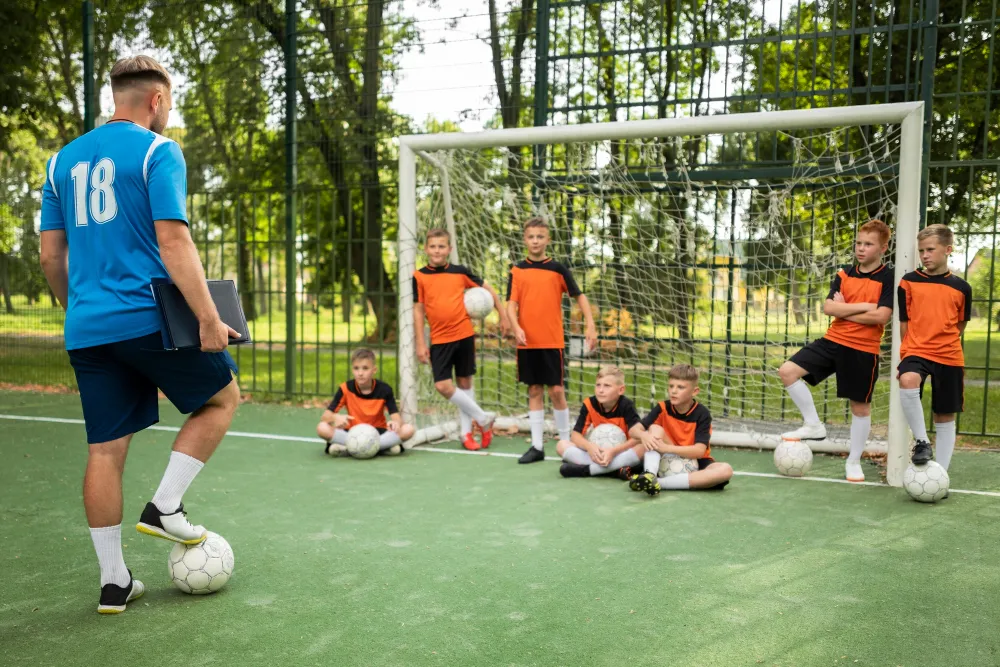
Preschool children have different attention spans, physical abilities, and previous experiences. Soccer activities can be adjusted to reflect these differences. Short exercises, simple instructions, and frequent changes can help maintain engagement. Younger children may need more demonstrations, while older preschoolers may be ready for slightly more structured activities. The goal is to provide suitable challenges without making children feel pressured. When activities match children’s developmental levels, they can participate more comfortably and develop confidence through repeated opportunities to learn.
Supporting Social Development
Preschool is often one of the first environments where children regularly participate in structured group activities. Soccer classes can provide opportunities to practice sharing, taking turns, listening, and interacting with peers. Children can learn that games involve other people and that cooperation helps activities continue smoothly. Group soccer activities can also encourage children to become more comfortable around classmates and instructors. These experiences can support early social development while giving children a positive reason to interact. Over time, children may become more confident participating in group settings.
Learning to Take Turns
Taking turns is an important social skill for young children. Soccer activities can naturally introduce this concept through kicking games, passing exercises, and small group activities. Children can learn to wait while another player completes an action and then participate when it is their turn. Instructors can reinforce patience and encourage children to support their classmates. These simple experiences can help preschoolers understand shared activities. Learning to wait, participate, and encourage others can become useful skills in classrooms, playgrounds, and other group environments.
Building Early Confidence
Confidence can develop when children experience success in manageable activities. Preschool soccer can provide many small opportunities for achievement, such as kicking a ball toward a target or completing a simple movement sequence. Encouragement can help children recognize their effort and progress. Children can also learn that mistakes are acceptable and that trying again is part of learning. This supportive approach can help young players become more willing to participate. Confidence developed through early sports experiences may also help children approach unfamiliar activities with greater curiosity.
Encouraging Listening and Following Instructions
Soccer classes can help children practice listening in an active environment. Instructors may provide short instructions that require children to respond through movement. For example, children may be asked to stop, move, turn, or kick after hearing a specific cue. These activities can make listening practical and engaging. Children gradually learn to focus on the speaker and connect words with actions. Such experiences can complement classroom learning by encouraging attention, memory, and the ability to follow simple instructions.
Creating Positive Physical Activity Habits
Early positive experiences with movement can help children develop a comfortable relationship with physical activity. Soccer provides a playful way for preschoolers to run, kick, move, and interact with others. When children associate exercise with fun and social participation, they may be more willing to remain active as they grow. Preschool programs can also introduce basic concepts such as warming up, taking breaks, drinking water, and moving safely. These simple habits can become part of a child’s broader understanding of active and healthy routines.
Conclusion
Soccer classes can provide preschool children with opportunities to develop coordination, balance, listening skills, confidence, cooperation, and social awareness through enjoyable activities. The emphasis can remain on learning and participation rather than competition, allowing children to explore movement at an appropriate pace. Structured soccer experiences can complement early childhood learning while introducing children to an active group environment. Families and preschools seeking engaging movement opportunities can consider Soccer Stars Huron Valley as a setting where young children can explore soccer while building valuable early developmental skills.



























Sign in to leave a comment.