

Solar panels are often the first thing people consider when planning a solar installation, but the inverter deserves just as much attention. It determines how electricity generated by solar panels can be used and how effectively energy is managed throughout the day. Choosing the right solar inverters for homes and businesses is an important step towards building a reliable and efficient solar power system.
Whether you are planning a rooftop installation for your home, office, or industrial facility, understanding how solar inverters work can help you make an informed decision. The right setup can improve energy utilisation, support safety, and help you get more value from your solar investment.
What Is a Solar Inverter and How Does It Work?
A solar inverter converts direct current (DC) electricity generated by solar panels into alternating current (AC), which most household appliances, office equipment, and industrial machinery use.
The process begins when solar panels capture sunlight and generate DC electricity. The inverter then converts this electricity into AC power for connected equipment. Depending on the system configuration, excess electricity may be exported to the grid or stored in batteries.
The inverter also monitors system performance and helps manage electrical output within specified limits. In simple terms, solar panels generate electricity, while the inverter makes that electricity suitable for everyday use.
Why Are Solar Inverters Essential for Efficient Solar Power Systems?
Installing solar panels alone does not guarantee that a system will perform efficiently. The inverter plays a central role in converting and managing the electricity those panels produce.
A suitable inverter helps minimise conversion losses and allows the solar system to operate within its designed capacity. It can also coordinate with the grid or battery storage, depending on the model.
For homeowners, this can mean making better use of daytime solar generation. For businesses and factories, it can help meet electricity demand during working hours, when machinery, lighting, and other equipment consume significant power.
Inverter selection also affects long-term reliability. A poorly matched inverter may limit system performance, even when the solar panels are capable of generating more electricity.
How Do Solar Inverters Improve Solar Energy Conversion and System Performance?
Solar inverters contribute to overall system performance in several ways. Their impact depends on inverter design, installation quality, panel configuration, and environmental conditions.
Efficient power conversion: Modern inverters convert DC electricity into AC electricity with limited energy loss, although actual efficiency varies by model and operating conditions.
Better energy harvesting: Maximum Power Point Tracking (MPPT) helps the inverter adjust its operating point as sunlight and panel temperature change.
System coordination: Grid-connected models synchronise with the utility supply, while compatible hybrid models manage solar generation, battery charging, and connected loads.
Performance protection: Monitoring electrical conditions allows the inverter to respond to faults or operation outside specified limits.
For a broader understanding of inverter functions and their role in a solar installation, read this guide to the types and applications of solar inverters.
Temperature, dust, shading, and ventilation can influence system output. Keeping the inverter correctly sized, properly installed, and maintained is just as important as selecting equipment with a strong efficiency rating.
What Are the Different Types of Solar Inverters for Homes and Businesses?
Solar inverters are available in several configurations, each designed for different energy requirements.
String inverters: These connect a group of solar panels to one inverter. They are commonly used for residential and commercial installations where panels receive reasonably consistent sunlight.
Microinverters: These convert DC electricity to AC at individual panels. They can be useful on roofs with different orientations or partial shading, although the overall cost needs consideration.
Hybrid inverters: These coordinate solar generation with battery storage and, where supported, grid electricity. They are useful for users who want energy savings and backup capabilities.
Off-grid inverters: These are designed for systems operating independently of the utility grid, generally using batteries when solar generation is insufficient.
The best option depends on roof conditions, system capacity, power requirements, grid availability, and whether battery backup is needed.
What Safety Features Should You Look for in a Solar Inverter?
Solar installations involve electrical equipment exposed to changing weather and operating conditions. Safety features are therefore an important part of inverter selection.
Look for suitable protection against overvoltage, overcurrent, overheating, and short circuits. Depending on the model, additional features may include ground-fault protection, surge protection, and insulation monitoring.
Grid-connected inverters should also have anti-islanding protection. This helps prevent the system from continuing to feed electricity into the grid when the utility supply is interrupted, protecting workers and equipment.
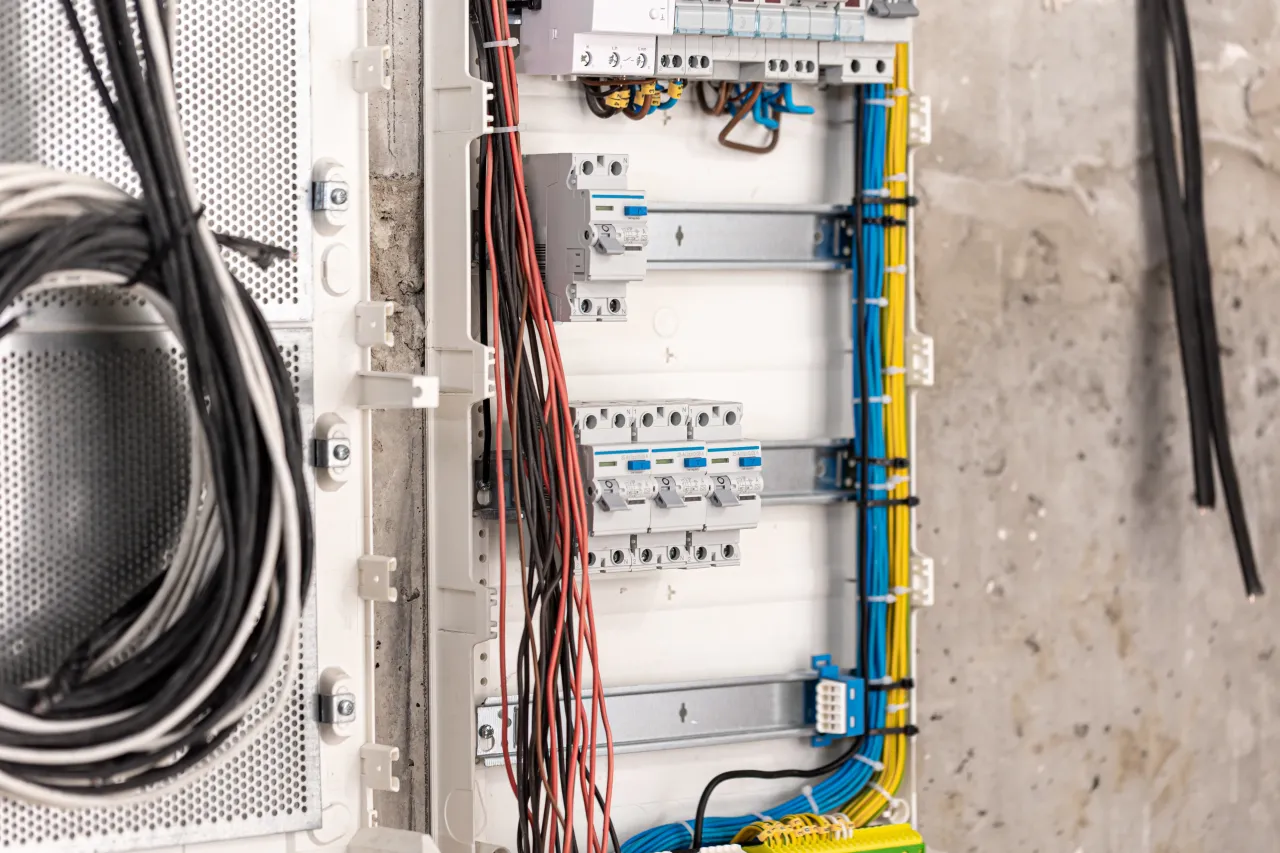
Other components also contribute to electrical safety. A correctly specified DC distribution box for solar systems can help provide DC-side isolation and protection, depending on its design and configuration.
Correct earthing, appropriate circuit breakers, suitable AC and DC protection devices, proper cable sizing, and compliance with applicable electrical standards are equally important. Always follow the manufacturer's instructions and use qualified professionals for installation and servicing.
How Do Solar Inverters Support Energy Monitoring and Electricity Bill Savings?
Many modern solar inverters include monitoring systems that display energy generation, operating status, and fault alerts. Depending on the product, information may be available through a display panel, mobile application, or web-based platform.
This information helps users understand how much electricity their system generates and identify unusual changes in performance. A sudden drop in output, for instance, may indicate shading, dirt accumulation, equipment issues, or changing weather conditions.
Monitoring can also help households and businesses align electricity consumption with solar generation. Running suitable equipment during productive daylight hours may increase direct use of solar electricity and reduce reliance on grid power.
Understanding the role of different solar inverter components can also help users learn how inverters support system performance, monitoring, and reliable solar energy generation.
What Is the Difference Between On-Grid, Off-Grid, and Hybrid Solar Inverters?
The main difference lies in how each inverter works with the electricity grid and battery storage.
On-grid inverters connect a solar installation to the utility grid. They are commonly chosen to reduce electricity purchases and may allow surplus power to be exported where permitted. Standard grid-tied systems generally shut down during a power outage for safety reasons.
Off-grid inverters operate independently of the utility grid. They typically work with battery storage to provide electricity when solar panels are not generating enough power. Battery capacity must be planned around required loads and backup duration.
Hybrid inverters combine grid-connected operation with battery management. Depending on the model and installation, they can supply selected loads from stored energy during an outage.
The choice should reflect your main priority. If reducing electricity bills is the primary goal and the grid is reliable, an on-grid system may be suitable. If backup power or greater independence is essential, a hybrid or off-grid solution may be more appropriate.
How Do You Choose the Right Solar Inverter for Residential and Industrial Applications?
Choosing an inverter starts with understanding how the site uses electricity. A residential rooftop and a manufacturing facility have different operating requirements, so the same inverter configuration will not suit every project.
Consider these factors before making a decision:
- Power capacity: Match the inverter to the solar array and the system designer's electrical calculations.
- Energy consumption: Review electricity bills, daytime demand, and the equipment that needs to operate.
- Phase requirements: Check whether the installation requires a single-phase or three-phase inverter.
- Roof conditions: Consider panel orientation, shading, and the number of MPPT inputs required.
- Backup requirements: Determine whether battery storage is necessary and which loads must remain operational during an outage.
- Efficiency and protection: Compare efficiency ratings, safety functions, operating temperature ranges, and monitoring options.
- Warranty and service: Check warranty coverage, service availability, and access to technical support.
Residential users may prioritise straightforward operation, lower electricity bills, and optional backup. Commercial and industrial users may need higher capacity, three-phase compatibility, reliable monitoring, and careful planning around production schedules.
Homeowners comparing different models can also use this guide to choose the right solar inverter for your home.
Reviewing these factors before purchasing helps avoid an undersized system, unnecessary features, or additional costs later.
Why Choosing the Right Solar Inverter Matters for Long-Term Solar Efficiency
Solar energy is a long-term investment, so inverter selection should go beyond the initial purchase price. A suitable model can support efficient power conversion, reliable operation, useful performance data, and compatibility with the rest of the solar installation.
It is also important to consider future requirements. A homeowner may eventually want battery storage, while a business may expand its electricity consumption or install additional solar capacity. Planning for these possibilities can help avoid unnecessary system changes.
Regular inspection, clean ventilation areas, appropriate maintenance, and prompt attention to fault alerts can help preserve performance. The inverter should always be operated within the manufacturer's specified limits.
Ultimately, the best solar inverter is not necessarily the most expensive one. It is the model that matches the site's electrical needs, solar array, budget, and expectations for reliable operation.
Conclusion
Solar inverters are essential because they turn the electricity generated by solar panels into a form that homes, businesses, and industrial facilities can use. They also help manage energy conversion, monitor performance, and coordinate with grid supplies or batteries where supported.
Before investing in a solar system, compare inverter capacity, MPPT configuration, safety features, monitoring capabilities, and service support. A carefully selected and correctly installed inverter can help your solar installation deliver dependable performance over the long term.



















Sign in to leave a comment.