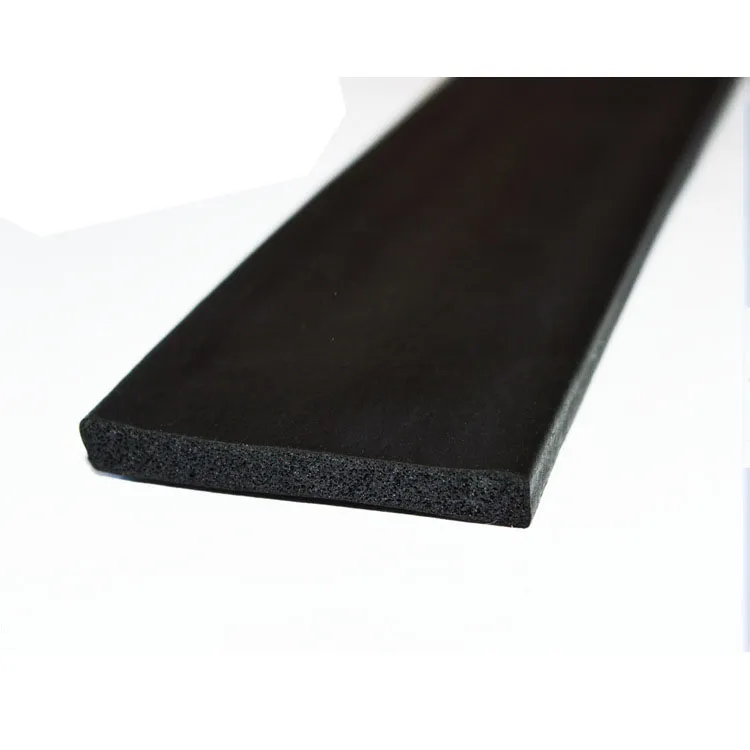


From ensuring weatherproof windows and vibration-free car doors to protecting sensitive electronic equipment and preventing leaks in industrial pipelines, sealing solutions are at the heart of modern engineering. Yet, as requirements across industries have rapidly evolved, so too has the demand for more adaptive and high-performance sealing materials. Amid this transformation, sponge rubber extrusions have emerged as breakthrough products that deliver unmatched reliability, efficiency, and versatility.
What Are Sponge Rubber Extrusions?
Definition and Composition
Sponge rubber extrusions are flexible, lightweight strips or profiles made from cellular rubber, which is characterized by small, interconnected air pockets distributed throughout the material. The extrusion process involves forcing heated sponge rubber through a custom die, producing continuous lengths in a wide variety of cross-sectional shapes.
Common materials used in the manufacture of sponge rubber extrusions include:
- EPDM (Ethylene Propylene Diene Monomer): Known for its weather, ozone, and UV resistance.
- Neoprene: Highly resistant to oil, solvents, and weathering.
- Silicone: Offers excellent temperature resistance and flexibility.
- Nitrile: Resistant to oils and fuels, often used in automotive and aerospace sectors.
By carefully selecting the appropriate compound and cellular structure, manufacturers like Qingdao Seashore Industrial Co., Ltd. can customize sponge rubber extrusions for specific performance requirements, from water sealing to sound dampening.
How Do Sponge Rubber Extrusions Differ from Solid Rubber Extrusions?
The primary difference lies in their structure and functional properties. Solid rubber extrusions consist of a dense, non-porous material, which makes them less compressible but extremely robust. In contrast, sponge rubber extrusions feature a cellular structure that enables:
- Greater compressibility and recovery, ideal for irregular surfaces.
- Lower closure forces, making them easier to install and maintain.
- Enhanced cushioning for vibration and noise reduction.
The combination of these attributes means sponge rubber extrusions excel in sealing applications where adaptability, resilience, and long-term performance are critical.
Key Advantages of Sponge Rubber Extrusions for Sealing Solutions
1. Superior Seal Performance
Because of their cellular structure, sponge rubber extrusions are highly compressible, allowing them to fill gaps, cracks, and surface irregularities more effectively than solid rubber options. When compressed within an assembly, air within the cells compresses as well, creating an even, adaptable seal. This adaptability is crucial when tolerances are tight or surfaces vary.
Transitioning from traditional seals to sponge rubber extrusions inevitably leads to fewer leaks, better insulation, and superior barrier properties.
2. Excellent Resistance to Environmental Factors
Industries demand seals that can withstand a range of environmental stressors—temperature fluctuations, exposure to chemicals, ultraviolet rays, ozone, and more. The right sponge rubber compound can deliver:
- Weather resistance: Especially with EPDM or silicone, sponge rubber extrusions resist degradation from rain, extreme sunlight, and temperature shifts.
- Chemical and oil resistance: Compounds like neoprene and nitrile make these extrusions ideal in automotive and industrial environments where contact with grease, oil, and solvents is frequent.
- Waterproof properties: Cellular rubber’s structure prevents liquid penetration, perfect for window, door, and hatch seals.
3. Adaptability to Custom Profiles and Applications
Another significant advantage of sponge rubber extrusions lies in the versatility of the extrusion process itself. By designing custom dies, manufacturers can create unique shapes and profiles, from D-shaped window seals to complex multi-lobed gaskets.
Customizable attributes include:
- Width and thickness
- Cell structure (open-cell or closed-cell)
- Surface texture (smooth, textured)
- Coatings and color options
This flexibility ensures a perfect fit for the job, reducing waste, improving sealing efficiency, and often eliminating the need for additional adhesives or mechanical fasteners.
4. Lightweight and Cost-Efficient
Thanks to their cellular composition, sponge rubber extrusions are significantly lighter than solid rubber equivalents. This weight reduction is not just a material advantage; it translates into real cost savings in shipping, installation, and overall project expenses.
Additionally, because sponge rubber extrusions require less material to achieve an effective seal, they can often provide superior performance at a lower material cost—especially when long runs or large volumes are required.
5. Easy Installation and Maintenance
Sponge rubber extrusions are inherently more flexible than many alternative materials, allowing for easier manipulation during installation. Their compressibility means they can often be “snap-fitted” into joints, channels, or grooves without special tools.
Moreover, their superior recovery properties ensure the seal maintains its effectiveness even after repeated compression cycles, reducing the need for frequent replacement or adjustment. This characteristic is particularly prized in applications such as doors, windows, and hatches, where seals are subjected to constant use.
6. Excellent Vibration and Noise Dampening
The air pockets in sponge rubber serve as effective barriers to vibration and sound transmission. In the automotive and electronics sectors, sponge rubber extrusions are a preferred choice for noise reduction and isolation pads. Not only do they keep out dust and moisture, but they also enhance overall user comfort by minimizing vibrations and rattling.
7. Sustainable and Environmentally Friendly Options
As industries seek greener solutions, sponge rubber extrusions offer several eco-friendly advantages. Many compounds can be formulated to be free from halogens, heavy metals, and other hazardous substances. The durability and longevity of sponge rubber seals also mean less frequent replacements, translating to reduced material usage and waste over time.
Qingdao Seashore Industrial Co., Ltd. is committed to sustainability by utilizing advanced manufacturing processes that minimize raw material waste and energy consumption.
Industry Applications of Sponge Rubber Extrusions
Given their wide-ranging benefits, sponge rubber extrusions are used across a myriad of industries. A few prominent applications include:
1. Automotive Industry
- Door and window seals
- Trunk and hood weatherstrips
- Vibration isolators
- Hose and cable protection
2. Construction and Building
- Window and door gaskets
- Expansion joint fillers
- HVAC system seals
- Soundproofing and insulation strips
3. Marine Industry
- Watertight hatch and port seals
- Edge guards
- Cabin door seals
4. Electronics and Appliances
- Enclosure gaskets
- Vibration protection for components
- Dust and moisture barriers
5. Industrial Equipment
- Machinery enclosure gasketing
- Piping, flange, and duct seals
These are just a fraction of the potential uses. In every case, the ability to tailor the extrusion profile and material compound allows for maximum performance and a perfect match to the application's demands.

The Future of Sealing: Why Choose Sponge Rubber Extrusions Now?
Industrial sealing needs are more demanding than ever. With the rise in automation, stricter environmental regulations, and the push for longer-lasting equipment, choosing the right sealing material can mean the difference between repeated maintenance headaches and years of worry-free operation.
By choosing sponge rubber extrusions, you gain:
- Enhanced performance: Superior compression recovery and adaptability.
- Reliability: Outstanding resistance to environmental factors and aging.
- Cost savings: Reduced material, installation, and replacement costs.
- Versatility: One solution for vastly different applications.
As the industry continues to evolve, sponge rubber extrusions will remain at the forefront of innovative sealing solutions. At Qingdao Seashore Industrial Co., Ltd., we are proud to be your partner in that future.
The evolution of sealing technology has reached new heights with the advent of sponge rubber extrusions. Their ability to deliver robust, flexible, and highly efficient sealing solutions has set a new standard across industries where performance and reliability matter most.
Frequently Asked Questions (FAQ) About Sponge Rubber Extrusions
1. What is the difference between open-cell and closed-cell sponge rubber extrusions?
Open-cell sponge rubber contains interconnected cells that allow air, moisture, and sometimes even liquids to enter. This structure is softer and more compressible, making it ideal for certain cushioning and sound dampening applications.
Closed-cell sponge rubber, on the other hand, has isolated cells, preventing water, air, and other substances from passing through. This makes closed-cell extrusions ideal for weatherproof and waterproof sealing.
2. Can sponge rubber extrusions withstand extreme temperatures?
Yes. The temperature resistance depends on the specific rubber compound:
- EPDM: Effective from -40°C to 120°C, excellent UV and ozone resistance.
- Silicone: Outstanding performance from -60°C to 230°C, suitable for extreme heat and cold.
- Neoprene: Operates well within -30°C to 100°C.
Selecting the proper material for your application's temperature range is crucial.
3. Are sponge rubber extrusions suitable for use with chemicals or oils?
Absolutely. Compounds such as nitrile and neoprene offer outstanding resistance to oils, fuels, and many chemicals. For each application, it's best to communicate your specific chemical exposure requirements with manufacturers like Qingdao Seashore Industrial Co., Ltd. to select the right material.
4. Can I order a custom shape or profile for my sponge rubber extrusion?
Yes! One of the biggest advantages of sponge rubber extrusions is their customizability. By designing a unique die, almost any cross-sectional shape can be extruded, from simple squares and rounds to intricate multi-lobed designs. We offer consultation and prototyping to ensure your needs are met precisely.
5. How do I install sponge rubber extrusions?
Most sponge rubber extrusions are designed for straightforward installation:
- Friction fit: Many profiles can be pressed into place without extra fasteners.
- Adhesive backing: We offer options with peel-and-stick adhesive for rapid installation.
- Mechanical fasteners: Certain applications may require clips, screws, or channels.
Detailed installation instructions are provided with every product.
6. How long do sponge rubber extrusions last?
Lifespan depends mainly on the environment, usage frequency, and material choice. High-quality sponge rubber extrusions, especially those from trusted manufacturers, can last several years or even decades in many cases. Regular inspection and cleaning help to maximize lifespan.
7. Are sponge rubber extrusions safe and environmentally friendly?
Many sponge rubber compounds are manufactured to meet strict environmental standards, free of hazardous substances. At Qingdao Seashore Industrial Co., Ltd., we prioritize sustainability in both material selection and production processes.
8. What is the lead time for custom sponge rubber extrusions?
Lead time varies depending on order complexity, profile design, and production volume. Typically, custom orders can take several weeks from design to delivery. Our team streamlines this process to meet project timelines whenever possible.
9. Can sponge rubber extrusions be used outdoors?
Yes. With their excellent UV, ozone, and weather resistance—especially EPDM and silicone compounds—sponge rubber extrusions are ideal for outdoor applications, including automotive weatherstripping, construction gaskets, and marine hatch seals.
10. How do I choose the right sponge rubber compound for my application?
Our technical team can guide you based on several factors:
- Temperature range
- Exposure to chemicals, oils, or fuels
- Compression and recovery needs
- Weather and UV exposure
- Required certifications (e.g., FDA, UL)
By discussing your requirements, we ensure you receive the best possible solution.
















Sign in to leave a comment.