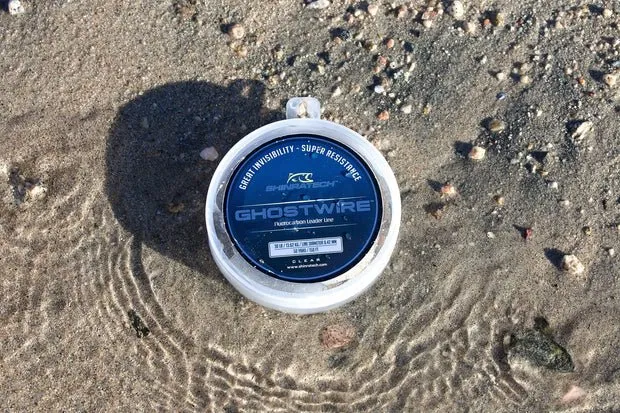

When a powerful fish strikes, your tackle faces sudden and intense pressure. Your rod bends, your reel works hard, and your main line carries the fight. Yet one small part often makes a major difference between control and a lost catch: the leader.
Choosing reliable fishing leaders gives you better protection against sharp teeth, rough surfaces, sudden runs, and heavy pressure. For big game angling, the right leader helps you fish with greater confidence while keeping your setup balanced and ready for demanding conditions.
What Makes a Fishing Leader Important?
A leader creates a strong connection between your main line and hook or lure. It handles contact with underwater structures and helps reduce the risk of line damage during a fight.
Big fish often produce powerful runs. They also change direction quickly. During these moments, your leader needs to handle tension without weakening. A suitable leader gives you an extra layer of protection when your main line faces difficult conditions.
Your choice also depends on the type of water and cover you encounter. Rocky areas, vegetation, submerged objects, and rough bottoms can all place additional stress on your setup.
Strength Matters During Long Fights
Big game fish can put continuous pressure on your tackle. A weak leader may stretch too much, wear down, or fail when the fish makes a sudden movement.
You need a leader that matches the size and power of your target. A stronger option provides additional security without making your entire setup unnecessarily heavy. The goal is to create a balanced system where each component works together.
Pay attention to the leader's breaking strength and diameter. A thicker leader generally provides more resistance to abrasion, while a thinner option can offer a more subtle presentation.
Abrasion Resistance Protects Your Setup
Abrasion is one of the biggest concerns when you target powerful fish. A fish can rub the line against rocks, branches, vegetation, or other rough surfaces during the fight.
A quality leader helps reduce damage from this contact. Even when the outer surface experiences friction, a durable material can continue supporting the connection.
You can also inspect the leader regularly. Run your fingers along its length and check for rough spots, cuts, or unusual changes. If you notice visible damage, replacing the leader before the next cast is a simple way to improve reliability.
Visibility Can Affect Your Presentation
Fish do not always respond well to a highly visible connection. Clearer leader materials can help create a more discreet presentation, especially in clear water.
This is where invisible fishing line becomes relevant to your overall tackle strategy. A low-visibility leader can help your bait or lure appear more natural while still providing the strength needed for demanding conditions.
However, visibility should not become the only factor in your decision. A nearly invisible leader does little good if it lacks the strength or abrasion resistance your fishing situation requires.
Choose the Right Leader Diameter
Leader diameter affects more than strength. It also influences flexibility, knot performance, lure movement, and presentation.
A very thick leader can make certain knots more difficult. It may also affect how naturally a lure moves through the water. A thinner leader can provide better movement but may offer less protection in rough environments.
You should consider the target species, water clarity, structure, bait size, and fishing technique before selecting a diameter. A balanced choice allows you to maintain both performance and durability.
Pay Attention to Knot Strength
Even a strong leader can fail when the connection is weak. Your knot acts as a critical link between the leader and the rest of your setup.
Practice tying your preferred connection until you create consistent knots. Check for loose wraps, damaged sections, and poor alignment. Wetting the line before tightening can also help reduce unnecessary friction during knot formation.
After tying, test the connection with steady pressure. A secure knot gives you greater confidence before you make your next cast.
Inspect Your Leader Regularly
Your leader does not remain in perfect condition throughout a fishing session. Repeated casts, hook sets, underwater contact, and fish fights can gradually reduce its strength.
You should inspect it after catching a large fish or fishing around heavy cover. Look for scratches, flattened sections, discoloration, or other signs of wear.
Replacing a damaged leader takes only a short time compared with losing a fish because of a weakened connection. Regular inspection is therefore one of the simplest habits you can build into your fishing routine.
Match the Leader to Your Fishing Conditions
No single leader works perfectly for every situation. Calm, clear water may require a more discreet presentation, while heavy cover may demand greater abrasion resistance.
Think about the environment before choosing your setup. Consider water clarity, structure, target size, lure weight, and expected fighting pressure.
Strong fishing leaders give you a dependable connection when conditions become demanding. The right choice does not simply add strength. It helps your complete tackle system perform more efficiently.
Final Thoughts
Your leader plays a small but essential role in big game angling. When you choose the right strength, diameter, material, and knot, you create a more dependable connection between your tackle and your target. Regular inspection also helps you identify wear before it becomes a serious problem.
For demanding fishing conditions, reliable fishing leaders provide the confidence you need to handle powerful runs and difficult underwater environments. With the right leader supporting your setup, you stay prepared for the pressure that comes with every serious fight.

























Sign in to leave a comment.