When it comes to oral health, plaque and tartar are often used interchangeably. However, they are not the same. Understanding the difference can help you make better decisions about your oral hygiene and know when it’s time for professional teeth cleaning.
What Is Dental Plaque?
Dental plaque is a soft, sticky film of bacteria that constantly forms on your teeth. It can develop when bacteria in your mouth interact with food particles and sugars. Plaque can usually be removed through regular brushing, flossing, and cleaning between your teeth.
When plaque remains on your teeth for too long, it can contribute to cavities, bad breath, gingivitis, and other oral health problems. Daily brushing and flossing are important for keeping plaque under control.
What Is Tartar?
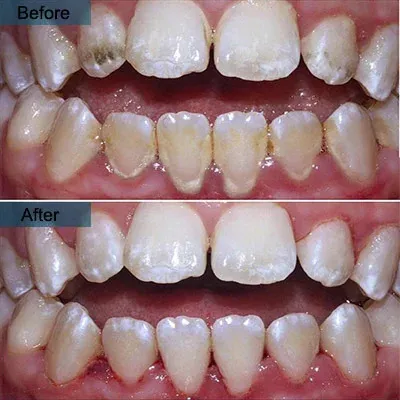
Tartar, also called dental calculus, is plaque that has hardened after accumulating minerals from saliva. Unlike soft plaque, hardened tartar cannot be effectively removed with a toothbrush or dental floss. It requires professional removal by a dentist or dental hygienist.
Tartar may appear yellow, brown, or darker over time. It can also create rough surfaces where additional plaque and bacteria can accumulate, making effective oral hygiene more difficult.
Why Does the Difference Matter?
The biggest difference is simple: plaque can generally be removed at home, while tartar requires professional dental cleaning.
If tartar remains on the teeth, it can contribute to gum irritation, gingivitis, gum disease, bad breath, and other dental problems. Professional cleanings help remove plaque and tartar from areas that brushing and flossing may not adequately reach.
For people with significant tartar buildup or gum disease, a dentist may recommend a deeper cleaning, such as scaling and root planning, to clean below the gumline.
Keep Plaque from Becoming Tartar
Good oral hygiene starts at home. Brush your teeth regularly with fluoride toothpaste, clean between your teeth daily, and schedule professional teeth cleaning according to your dentist’s recommendations.
Regular dental visits can help identify plaque and tartar buildup early and support healthier teeth and gums. If it has been a while since your last cleaning, Reveal Dental can evaluate your oral health and recommend the appropriate cleaning schedule for your needs.



















Sign in to leave a comment.