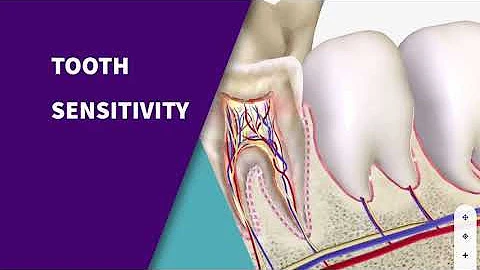
As winter sets in, many people begin to notice an uncomfortable change in their teeth. A sudden sharp sensation when stepping outside, lingering pain after a warm drink, or discomfort while brushing are all common during colder months. These symptoms often appear even in people who had no sensitivity issues before, making winter a particularly challenging season for oral comfort.
Colder temperatures, dry indoor air, and seasonal lifestyle changes all place extra stress on teeth and gums. The combination can expose weaknesses in enamel, gums, or existing dental work. This is why searches for a dentist near me or a dentist in Dallas often increase during winter, as people try to understand why their teeth feel different and how to stop the pain. Understanding what causes winter-related sensitivity allows you to take action early, reduce discomfort, and avoid more serious dental problems as the season progresses.
What Is Tooth Sensitivity?
Tooth sensitivity is a condition that occurs when the inner layers of the tooth become exposed or irritated. Beneath the enamel lies dentin, a porous structure filled with microscopic channels that lead directly to the tooth’s nerve. When dentin is exposed, temperature changes and certain foods can easily stimulate the nerve, causing pain.
Sensitivity may feel like a quick shock, a dull ache, or a lingering discomfort depending on the cause. Some people notice it only when exposed to cold air, while others feel it when brushing, eating sweets, or drinking hot beverages. Over time, untreated sensitivity can worsen, which is why persistent symptoms often lead people to look for a dental clinic near me for evaluation and relief.
Why Winter Makes Teeth More Sensitive
Winter does not create sensitivity on its own, but it strongly amplifies existing dental issues. Cold weather, reduced hydration, and seasonal habits combine to make teeth more reactive and vulnerable. The following factors explain why sensitivity becomes more noticeable during this time of year.
1. Cold Air Shocks the Tooth Nerves
Sudden exposure to cold air can cause teeth to contract slightly, triggering pain in exposed or weakened areas. Breathing through the mouth in cold weather increases this effect, leading to sharp sensitivity, especially in the front teeth.
2. Enamel Weakens Over Time
Enamel naturally wears down due to acidic foods, teeth grinding, and improper brushing. During winter, temperature contrasts make thin enamel more noticeable, allowing sensations to reach the nerves more easily.
3. Dry Mouth Becomes More Common
Indoor heating and lower water intake reduce saliva production. Without enough saliva, acids linger longer on teeth, increasing irritation and sensitivity.
4. Gum Recession Exposes Tooth Roots
Gums that pull back expose tooth roots, which lack protective enamel. Cold air and drinks can directly irritate these areas, making sensitivity more intense in winter.
5. Teeth Grinding Increases in Cold Months
Seasonal stress and disrupted sleep patterns often lead to grinding or clenching. This damages enamel and creates small cracks that heighten sensitivity.
Signs Your Winter Tooth Sensitivity Needs Attention
Occasional sensitivity can be manageable, but certain signs suggest an underlying dental issue that needs professional care. Winter conditions often make these symptoms more noticeable and persistent.
Sensitivity that lasts longer than a few seconds, worsens over time, or affects only one tooth should not be ignored. Pain during brushing or flossing may indicate gum recession or enamel damage, while sensitivity combined with pressure pain can signal a crack or cavity. Many people in these situations begin searching for an affordable dentist in Dallas to address discomfort before it escalates. Early evaluation helps prevent minor sensitivity from turning into infection or nerve damage.
How to Reduce Tooth Sensitivity in Winter
Winter sensitivity can often be reduced with consistent daily care and a few adjustments to your routine. Small changes can make a noticeable difference when practiced regularly.
Use Toothpaste for Sensitive Teeth: Desensitizing toothpaste helps block pain signals and strengthens vulnerable areas when used consistently.
Brush Gently with the Right Technique: Using a soft-bristled toothbrush and light pressure prevents further enamel wear and protects gum tissue.
Stay Hydrated: Drinking water throughout the day supports saliva production, which naturally protects teeth from irritation.
Cover Your Mouth in Cold Weather: Wearing a scarf over your mouth limits direct exposure to cold air and reduces sudden temperature shocks.
Avoid Acidic and Sugary Foods: Acids and sugars weaken enamel, making teeth more reactive to cold temperatures.
Treat Grinding and Jaw Clenching: Night guards and stress management can significantly reduce enamel damage caused by grinding.
When Winter Sensitivity Becomes a Dental Emergency
- Sensitivity that turns into constant or worsening pain
- Swelling in the gums, face, or jaw
- Pressure or pain when biting or chewing
- Sensitivity focused in one specific tooth
- Signs of infection such as pus or discharge
- Fever or general discomfort along with tooth pain
- Pain that does not improve with home care
Why Winter is the Right Time for a Dental Checkup
Winter provides a valuable opportunity to catch dental concerns early, before minor sensitivity turns into more serious problems. Colder weather often makes underlying issues more noticeable, allowing dentists to identify and address them at the right time. Taking action during this season can help you stay comfortable and avoid unexpected dental visits later in the year. Benefits of scheduling a dental checkup in winter include:
- Early detection of enamel wear and small cracks
- Identification of gum recession before roots become painful
- Treatment of early decay before it worsens
- Prevention of sudden tooth pain during cold exposure
- Reduced risk of emergency dental visits later
Protecting Your Smile All Winter Long
Winter related tooth sensitivity is often your body’s way of signaling that your teeth and gums need extra care. Colder temperatures can make hidden dental concerns such as enamel wear or mild gum irritation more noticeable, even if they have not caused discomfort before. Recognizing these early changes helps you respond in time rather than waiting for sensitivity to become constant or painful.
Keeping up with consistent oral care during the winter months makes a meaningful difference. Gentle brushing, staying hydrated, and maintaining regular dental visits all support stronger teeth and healthier gums. When professional care is included at the right stage, seasonal sensitivity is far less likely to develop into ongoing dental problems, helping your smile stay comfortable well beyond winter.
Sign in to leave a comment.