
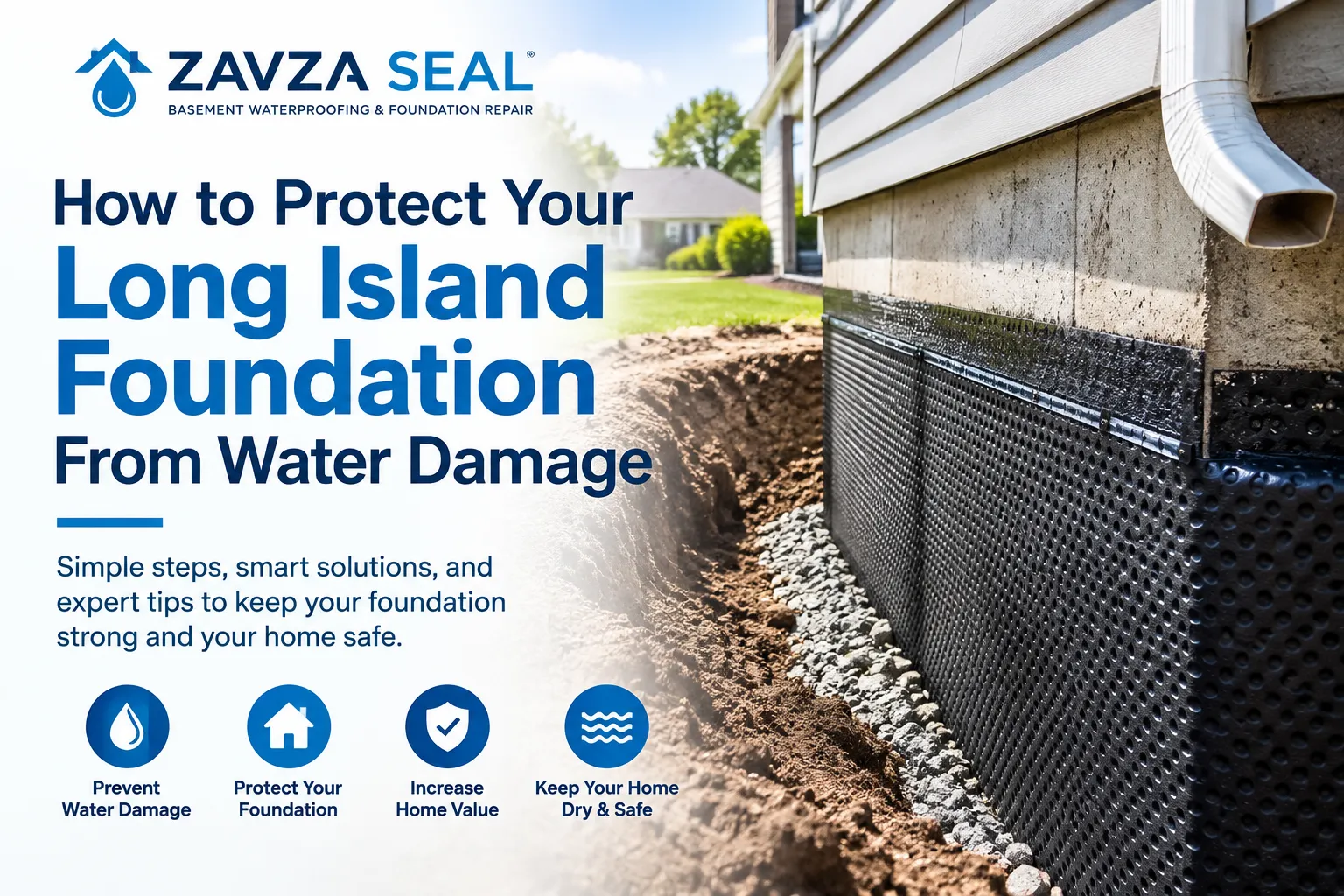
Water intrusion is one of the leading causes of structural deterioration in residential buildings. Moisture can weaken foundations, rot wood framing, damage insulation, and create conditions for mold and mildew growth. Even minor seepage can evolve into serious flooding or structural issues over time.
For homebuyers, unnoticed waterproofing failures can result in:
- Expensive foundation repairs
- Basement flooding and water damage
- Mold remediation costs
- Lower property value
- Insurance complications
Because waterproofing issues are often hidden or concealed, buyers must actively look for clues during property tours and inspections.
Start With the Exterior: The First Line of Defense
The exterior of a home reveals many early indicators of potential waterproofing problems.
1. Check the Grading Around the Foundation
Proper yard grading ensures water flows away from the home instead of toward it. When the soil slopes toward the foundation, rainwater accumulates near basement walls and increases hydrostatic pressure.
Warning signs:
- Soil sloping toward the house
- Depressions or pooling water near the foundation
- Erosion channels along walls
- Exposed foundation due to soil washout
A home with poor grading often experiences chronic basement moisture issues.
2. Inspect Gutters and Downspouts
Gutters and downspouts direct roof runoff away from the structure. Faulty drainage systems are among the most common causes of basement leaks.
Look for:
- Missing or damaged gutters
- Downspouts that discharge near the foundation
- Overflow stains on siding
- Detached gutter sections
- Splash blocks missing or misaligned
Downspouts should extend at least 4–6 feet away from the house. If they don’t, water may be saturating the foundation soil.
3. Examine the Foundation Walls
Exterior foundation surfaces often show visible signs of water damage.
Red flags:
- Cracks in concrete or masonry
- Efflorescence (white powdery residue)
- Peeling waterproof coatings
- Damp or darkened patches
- Spalling or flaking concrete
Efflorescence indicates water has migrated through the wall, dissolving mineral salts and leaving residue behind. This is a clear sign of moisture intrusion.
Basement Inspection: Where Problems Often Hide
Basements are the most common location for waterproofing failures. Even finished basements can conceal issues behind drywall and flooring.
4. Musty Odors or Damp Air
A persistent musty smell almost always indicates moisture presence, even if water damage isn’t visible.
Causes may include:
- Hidden leaks behind walls
- Poor ventilation
- Mold growth
- High humidity
- Damp insulation
If the basement smells damp or earthy, assume water intrusion exists somewhere.
5. Water Stains and Discoloration
Examine walls, floors, and corners carefully for staining patterns.
Common indicators:
- Brown or yellow water stains
- Tide marks along walls
- Stained baseboards
- Rust on metal fixtures
- Discolored concrete
Tide marks typically show past flooding height, revealing how severe water intrusion has been.
6. Efflorescence on Interior Walls
Just like exterior walls, interior foundation surfaces may display efflorescence.
This powdery white residue indicates:
- Water penetration through concrete
- Chronic moisture movement
- Failed exterior waterproofing
- Hydrostatic pressure buildup
While efflorescence itself isn’t dangerous, it confirms ongoing moisture problems.
7. Cracks in Basement Walls or Floors
Not all cracks are structural threats, but some allow water infiltration.
Pay attention to:
- Horizontal cracks (often pressure-related)
- Stair-step cracks in masonry
- Wide vertical cracks
- Cracks with staining or dampness
- Floor slab cracks with moisture
Horizontal cracks are particularly concerning because they may signal foundation movement caused by soil pressure and water saturation.
Signs of Past or Ongoing Flooding
Homes with previous flooding often show subtle evidence — even if sellers attempt cosmetic repairs.
8. Recently Painted Basement Walls
Fresh paint in a basement can be a red flag. Sellers sometimes paint walls to conceal stains or efflorescence.
Look closely for:
- Paint bubbling or peeling
- Uneven color patches
- Residue bleeding through paint
- Dampness beneath coating
Waterproof paint alone rarely solves moisture problems. It often hides them temporarily.
9. New Flooring or Baseboards
Recently replaced basement flooring or trim may indicate past water damage.
Investigate:
- Warped laminate edges
- Vinyl lifting at seams
- New baseboards with caulking lines
- Flooring that feels soft or uneven
Ask why these materials were replaced — the answer may reveal flooding history.
10. Sump Pump Presence and Condition
A sump pump isn’t necessarily bad — many homes require them. However, its condition reveals waterproofing effectiveness.
Check:
- Age and brand of pump
- Signs of rust or corrosion
- Backup battery presence
- Drainage pipe routing
- Basin cleanliness
A neglected or failing sump system increases flood risk significantly.
Interior Moisture and Structural Clues
Waterproofing failures affect more than just basements. Moisture travels and impacts interior spaces.
11. Mold or Mildew Spots
Inspect corners, ceilings, closets, and lower walls for mold growth.
Common locations:
- Basement ceilings
- Behind stored items
- HVAC ducts
- Window frames
- Utility rooms
Mold often develops from chronic humidity or leaks originating in the foundation or exterior walls.
12. Warped Doors or Sticking Windows
Excess moisture can distort framing and cause openings to shift.
Signs include:
- Doors that won’t close properly
- Windows that stick
- Uneven floor slopes
- Cracked drywall joints
These may indicate foundation movement caused by moisture-related soil expansion or settlement.
Exterior Drainage Systems to Evaluate
Proper waterproofing relies heavily on drainage systems. Buyers should assess whether these exist and function correctly.
13. French Drains or Exterior Waterproofing
Some homes have exterior drainage installations such as French drains or waterproof membranes.
Ask about:
- Installation date
- Contractor documentation
- Warranty coverage
- Drain outlet location
- Maintenance history
Visible drain grates or perimeter trenches suggest proactive waterproofing — a positive sign if properly installed.
14. Landscaping and Irrigation Risks
Improper landscaping can create waterproofing problems.
Watch for:
- Sprinklers spraying foundation walls
- Mulch piled against siding
- Dense shrubs trapping moisture
- Raised flower beds against walls
Constant moisture near the foundation accelerates seepage risk.
Questions Buyers Should Ask Sellers
Direct questions can reveal waterproofing issues not immediately visible.
Ask:
- Has the basement ever flooded?
- Have you had water intrusion or leaks?
- Are there foundation repairs or warranties?
- Was waterproofing installed?
- Have insurance claims been filed for water damage?
In many regions, sellers must disclose known water problems. Their answers provide valuable insight.
The Role of Professional Inspections
Even vigilant buyers can miss hidden waterproofing defects. A professional home inspection — and sometimes a specialized waterproofing inspection — is essential.
Inspectors may use:
- Moisture meters
- Thermal imaging
- Crack measurement tools
- Drainage evaluation
- Structural analysis
If concerns arise, a foundation or waterproofing specialist should evaluate before purchase.
When Waterproofing Problems Should Stop the Purchase
Not all moisture issues are deal-breakers. However, buyers should reconsider if they find:
- Structural foundation cracks
- Chronic flooding history
- Extensive mold damage
- Failed exterior waterproofing
- Major settlement or wall bowing
These conditions often require costly structural repairs beyond routine waterproofing.
Negotiating Repairs or Price Adjustments
If waterproofing issues exist but the home is still desirable, buyers can negotiate.
Options include:
- Seller-funded waterproofing repairs
- Price reduction for remediation cost
- Escrow holdback for repairs
- Warranty transfer
Documented professional estimates strengthen negotiation leverage.
Final Thoughts: Buy With Confidence, Not Surprises
Waterproofing problems are among the most expensive and disruptive issues homeowners face. Unfortunately, they’re also among the easiest to overlook during property tours.
By carefully inspecting exterior drainage, foundation condition, basement moisture signs, and structural clues, buyers can identify potential waterproofing failures before committing to a purchase. Pairing personal observations with professional inspections provides the highest protection against hidden water damage.
A dry, structurally sound home protects not only your investment but also your health and peace of mind. When buying a property, always remember: what you don’t see can hurt you — especially when it comes to water.

























Sign in to leave a comment.