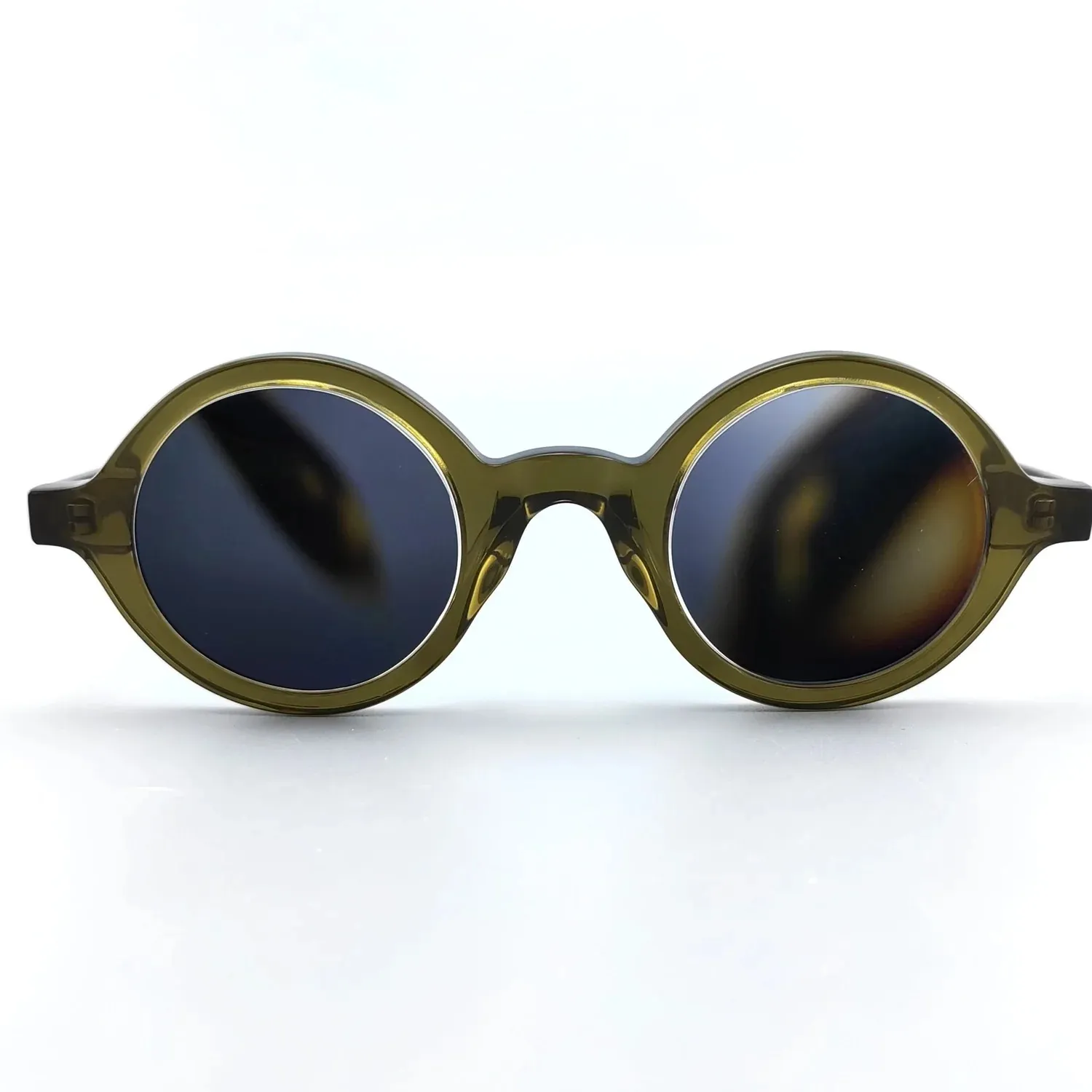

Comfort should never be a compromise when selecting prescription eyewear, yet millions of people with broader facial dimensions endure daily discomfort from frames that are simply too narrow. The pressure behind the ears, the pinching at the temples, and the constant sliding down the nose are all symptoms of wearing improperly sized frames. The solution is straightforward: choose eyewear designed for your actual facial dimensions.
Wide fit glasses are specifically engineered to accommodate broader head widths without sacrificing style or optical performance. These frames feature extended temple arms, wider bridge configurations, and proportionally scaled lens widths that distribute weight evenly across your face. The result is eyewear that feels custom made even when purchased from a standard retail collection.
The most significant comfort improvement comes from the temple design. Standard frames typically feature temple arms ranging from 135 to 140 millimeters, which proves insufficient for wider heads. Wide fit frames extend temple lengths to 145 or 150 millimeters, allowing the arms to reach your ears without bending excessively outward. This proper alignment eliminates the clamping pressure that causes tension headaches during extended wear.
Bridge width adjustments in wide fit designs prevent the glasses from resting too high on the nose or sliding downward throughout the day. A properly fitted bridge distributes the frame weight across the full width of your nasal bridge, reducing pressure points and maintaining stable positioning during all activities.
Selecting Glasses for Wide Faces by Face Shape
Understanding your specific face shape helps narrow down the most flattering glasses for wide faces within the wide fit category. Wide faces come in various configurations, including round, square, oval, and heart shaped, and each benefits from different frame silhouettes that enhance natural proportions.
Wide round faces look best in angular rectangular or square frames that add definition and structure to soft curves. The contrast between the geometric frame lines and the rounded facial contours creates visual interest and a slimming effect. Choose frames with a total width that matches or slightly exceeds your face width for optimal proportion.
Wide square faces benefit from round or oval frames that soften strong jawlines and angular cheekbones. The curved frame lines create visual balance by introducing organic shapes that complement the face's natural geometry. Oversized round frames in wide fit configurations are particularly effective for this face shape.
Material Considerations for Wide Fit Comfort
The increased dimensions of wide fit frames amplify the importance of material selection because larger frames inherently weigh more than their standard counterparts. Choosing lightweight materials prevents the additional size from translating into uncomfortable heaviness on your nose and ears.
Titanium wide fit frames offer the best weight to strength ratio for larger frame dimensions. The metal's exceptional lightness ensures that even generously sized wide fit designs remain comfortable throughout the day. Beta titanium temples provide additional flexibility for accommodating the widest head shapes without excessive clamping force.
Acetate wide fit frames offer a stylish alternative with excellent comfort characteristics. The material's natural warmth and flexibility allow the frames to conform to your facial contours over time, creating a personalized fit that improves with continued wear. Modern acetate formulations are significantly lighter than traditional versions, making them practical for larger frame sizes.
Practical Tips for Wide Fit Frame Shopping
Always verify the frame measurements before purchasing, especially when shopping online. The three critical numbers to check are lens width, bridge width, and temple length, typically listed in millimeters on the product page. Compare these measurements to your current comfortable glasses or your facial measurements for the best fit prediction.
Consider frames with adjustable nose pads rather than fixed bridge designs. Adjustable pads allow your optician to customize the fit precisely to your nasal anatomy, ensuring optimal weight distribution and preventing the sliding that frequently occurs with fixed bridges on wider faces.
Conclusion
Wide fit glasses represent an essential category of eyewear that addresses the comfort and style needs of millions of people with broader facial dimensions. By choosing frames specifically designed for wider proportions, you eliminate the daily discomfort of pinching temples, sliding bridges, and pressure headaches that result from wearing undersized frames. The combination of proper dimensional scaling, lightweight materials, and thoughtful structural design creates an eyewear experience that you will appreciate from the first moment of wear. Visit HP Glasses to explore their extensive wide fit collection and discover glasses for wide faces that deliver the perfect combination of comfort, durability, and personal style.
Frequently Asked Questions
What temple length do I need for a wide face?
Most wide faced individuals require temple lengths of 145 to 155 millimeters for comfortable fit. Measure from the frame hinge to the tip of the temple arm on your current comfortable glasses as a reference point.
Are wide fit glasses available in all prescription ranges?
Yes, wide fit frames accommodate all prescription ranges from mild to very strong corrections. Your optician can recommend the best lens material and thickness options for your specific prescription within your chosen wide fit frame.
























Sign in to leave a comment.