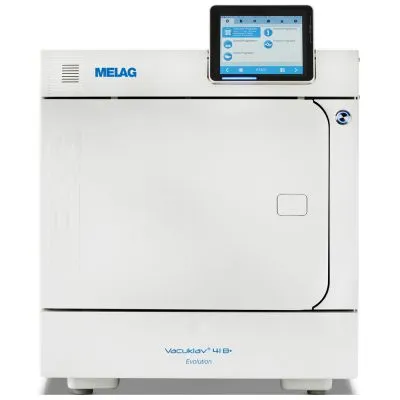

Every dental practice relies on one piece of equipment above almost all others when it comes to infection control — the autoclave. It's easy to think of it as routine equipment, but the right (or wrong) choice affects patient safety, daily workflow, and long-term running costs.
What an Autoclave Actually Does
An autoclave uses pressurised steam to sterilise reusable instruments, eliminating bacteria, viruses, and other microorganisms before they return to patient care. It's a core part of your infection prevention protocol — not just a box that gets switched on between appointments.
Choosing the Right Autoclave for Your Practice
Not every practice needs the same setup. A few things worth considering:
- Sterilisation class — Class B autoclaves handle a broader range of loads (including hollow and wrapped instruments), while Class S is limited to specific validated loads
- Chamber capacity — match the size to your daily instrument volume, not just your budget
- Cycle speed — faster cycles reduce instrument turnaround and keep appointments running on time
- Ease of use — clear displays and automated programmes reduce the risk of user error
Don't Overlook the Water You Use
Even the best autoclave can suffer premature wear if it's not fed the right water. Many sterilisers specify distilled or purified water to prevent mineral buildup and scale — a detail that's easy to miss but important for protecting your investment long-term.
A Reliable Supplier Makes the Difference
Buying an autoclave isn't just a one-time purchase — it's an ongoing relationship with a supplier who can support servicing, accessories, and advice when you need it. Healthware Australia Ridley supplies a full range of autoclaves suited to practices of every size, backed by expert guidance, competitive pricing, and fast delivery across Australia.
Choose equipment that matches your workload, and partner with a supplier who understands what your practice actually needs to stay compliant, efficient, and running smoothly.



























Sign in to leave a comment.