

You recaulked the bathroom last spring. By fall, a hairline split had opened along the tub, and now there’s a gap you could slide a business card into. It’s tempting to blame the tube you bought, but cracking caulk is almost always a symptom of something else going on behind it. In homes where the same seams keep splitting, the real culprit is often movement in the walls themselves, and that’s where drywall repair in Dallas often enters the picture.
Why Caulk Cracks in the First Place
The wrong product for the spot. Cheap acrylic latex caulk is fine for trim and baseboards but dries stiff. Used around a tub or shower, it can’t handle the constant dampness and flexing, so it splits. Bathrooms and kitchens need a flexible silicone or a siliconized product made for wet areas.
Gaps that are too wide. Caulk is meant to seal narrow joints, not fill holes. Squeezing a thick bead into a gap wider than about a quarter inch leaves a heavy plug that shrinks as it cures and pulls away from the edges. Wide gaps need backer rod or a filler underneath first.
Joints that move. Houses flex. Tubs shift slightly when you fill them with water, and the weight changes the gap along the wall. Caulk handles small movement, but it can’t make up for a tub that isn’t supported properly.
Poor prep. Caulk won’t bond to soap scum, dust, old residue, or a damp surface. If you laid new caulk over old, it only held as well as the layer underneath, which was already failing.
Fast drying and bad timing. Caulking in direct sun or on a cold, humid day can make it skin over before it bonds, leaving weak edges.
The Hidden Cause: Your Walls Are Moving
North Texas sits on expansive clay soil, which swells in wet seasons and shrinks in dry ones. Over the years, that movement can nudge a foundation just enough to open seams where walls meet ceilings, corners, and trim.
The giveaway is a pattern. If cracks keep reappearing in the same places, run diagonally from door or window corners, or show up in caulk and the drywall tape right next to it, the caulk isn’t the problem. Recaulking over a moving joint is like patching a tire that keeps getting nails driven into it.
This is where a drywall repair can solve what caulking can’t. Loose or failed tape, popped nail heads, and cracked seams need to be fixed, then sealed. Otherwise, the new caulk will split along with the old.
How to Caulk So It Lasts
- Remove all the old caulk. Use a caulk removal tool or a plastic scraper, then wipe the area with rubbing alcohol to pull off residue and oils.
- Let it dry completely. Give the joint a full day if it’s a wet area. Trapped moisture is the fastest way to cause mold under fresh caulk.
- Pick the right product. Silicone for tubs, showers, and sinks. Paintable acrylic or a hybrid for trim, baseboards, and interior walls. For exterior gaps, choose a product rated for outdoor use and sun exposure.
- Fill the tub before caulking. This is the trick most people skip. A tub full of water sits slightly lower, so caulking it while it’s full means the bead stays compressed instead of stretching when the weight is added later. Caulk, let it cure, then drain.
- Cut a small opening on the nozzle. A narrow bead gives you control. You can always add more.
- Smooth it in one pass. Use a gloved finger or a smoothing tool, and don’t go back over it once it begins to skin.
- Respect the cure time. Most products need 24 hours before they get wet, even when the label says “fast dry.”
When to Stop Caulking and Call Someone
Caulk is a finishing step, not a structural repair. Call someone if you notice:
- Cracks wider than a quarter inch, or that reopen within weeks
- Soft, stained, or crumbling drywall near the caulk line
- A tub or shower that flexes or sounds hollow when pressed
- Ceiling cracks paired with sticking doors
- Mold growing behind the caulk line
A skilled handyman in Richardson, or anywhere across the Metroplex, can tell whether you’re dealing with a bad caulk job or a movement issue behind it, and fix the cause rather than the symptom. That saves money compared with caulking the same joint every year.
Frequently Asked Questions
How long should caulk last?
Quality silicone in a bathroom typically holds up for several years, while acrylic in drier areas can last longer. Heavy moisture, movement, and poor prep shorten that significantly.
Can I caulk over cracked caulk?
It’s not a good idea. New caulk won’t bond reliably to old material, and any mold underneath stays trapped. Remove the old bead first.
Why does my caulk turn yellow or grow black spots?
Yellowing usually comes from age or low-quality acrylic. Black spots are typically mold or mildew feeding on soap residue and moisture. If cleaning doesn’t remove them, the caulk needs replacing.
Is silicone or acrylic caulk better?
It depends on the location. Silicone is better for wet, flexible joints. Paintable acrylic works well for dry areas like trim and baseboards.
How long before caulk can get wet?
Most need around 24 hours to cure. Check your product label, since some need longer.
Can caulk fix a crack in drywall?
For tiny hairline cracks at trim or corners, flexible paintable caulk can work. For real drywall cracks, joint compound and tape are the proper repair, and caulk can finish the edges.
The Bottom Line
Caulk that keeps cracking is telling you something. Sometimes it’s a product or prep mistake, and sometimes it’s a sign the wall or joint behind it needs attention. Fix the cause, use the right material, and give it time to cure, and you won’t be redoing the same seam next year.
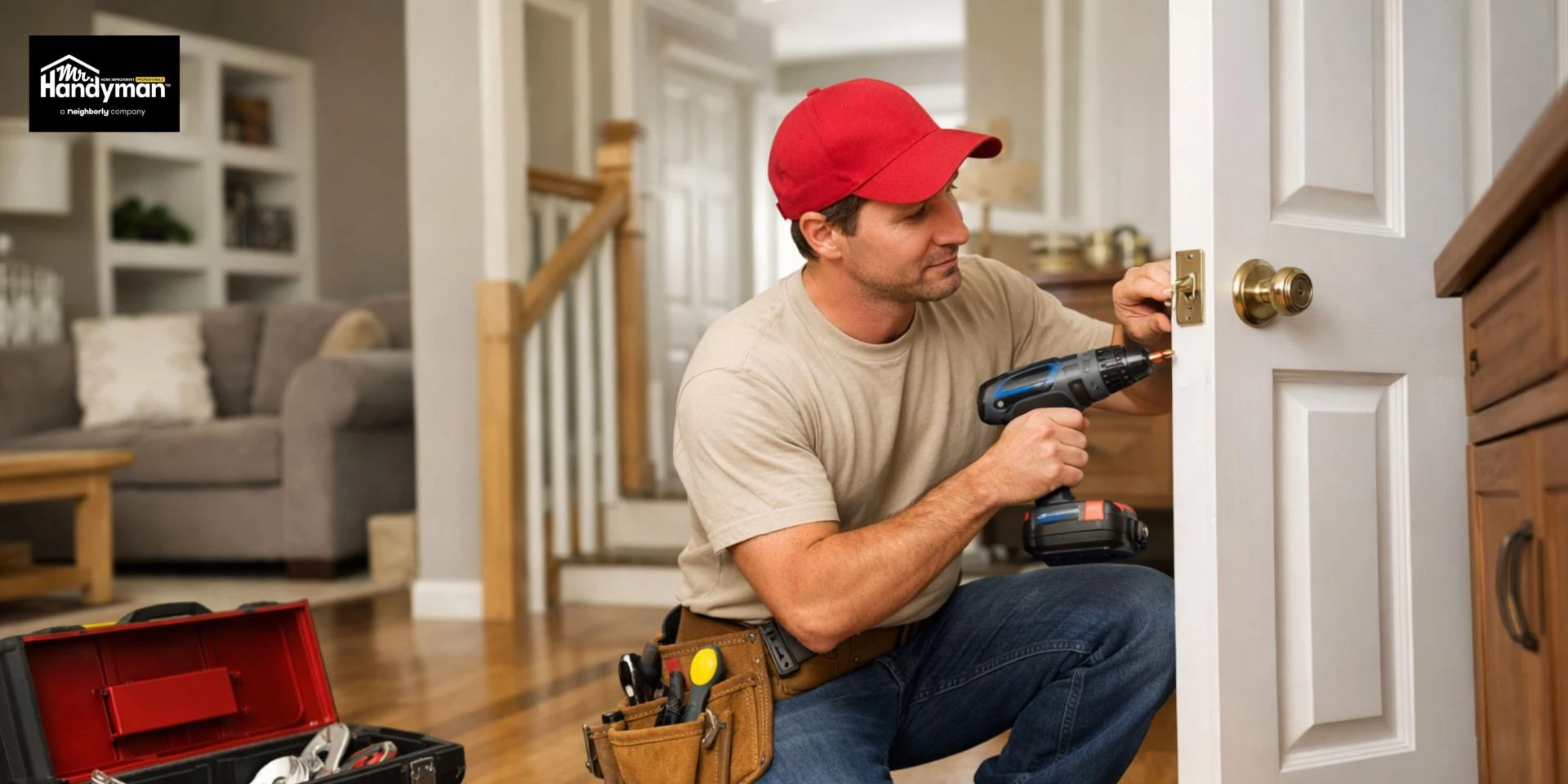
If your caulk keeps failing or you’re seeing cracks in the walls around it, the team at Mr. Handyman of Dallas can inspect the area, handle drywall repairs, and seal it the right way.



















Sign in to leave a comment.