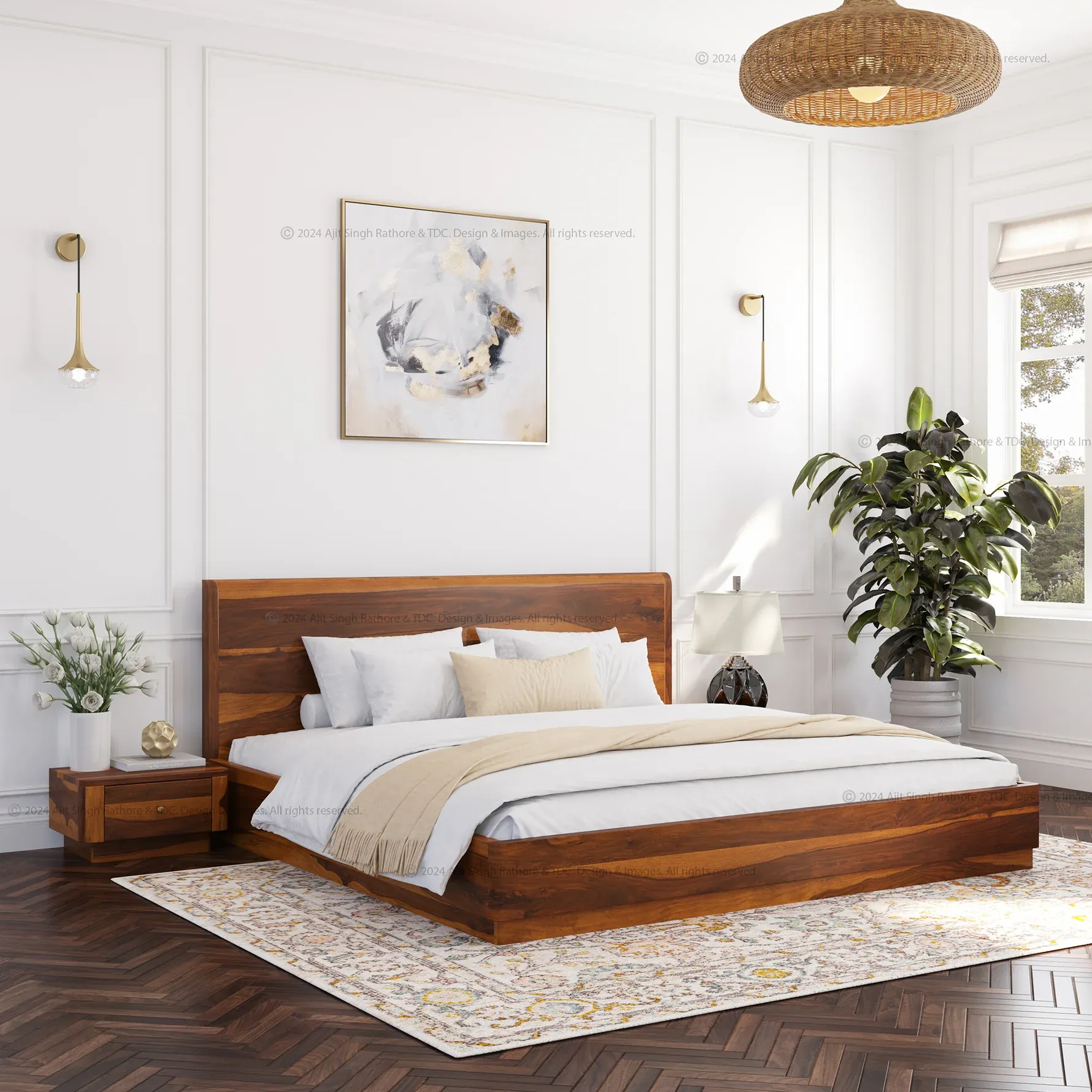

Poor sleep isn't always about your mattress or your bedtime routine. Sometimes the real issue is the bed itself, specifically, not having enough room to move, stretch, and settle into a deep sleep without waking up tangled or cramped.
If you're constantly adjusting positions at night or waking up sore, it's worth looking at whether your bed size is actually working against you. Here's how to evaluate whether a larger frame could solve the problem, and how to choose the right one.
Why Space Affects Sleep Quality More Than People Realize
Sleep researchers have long pointed out that restless nights often come down to restricted movement. Every person shifts positions multiple times a night, and if your mattress and frame don't give you enough surface area, that constant adjusting disrupts deeper sleep cycles.
A large king size bed gives both solo sleepers and couples the room to stretch out fully without bumping into a partner or the edge of the mattress. For households with pets that share the bed or kids who wander in for early morning snuggles, that extra space becomes even more valuable.
How to Know If You Actually Have Room for One
Not every bedroom can comfortably fit a larger frame, and cramming one into a tight space can backfire, making the room feel smaller and harder to move around in. Before shopping, measure your bedroom and leave at least 24 to 30 inches of clearance on each side of the bed frame.
Primary suites in newer homes across the South and Midwest tend to have the square footage to handle a larger frame comfortably, especially in open-concept builds common in recent US construction. If you're in a smaller apartment, common in dense cities like Chicago or New York, measure carefully before assuming bigger automatically means better sleep.
Construction Quality Determines How Long the Comfort Lasts
A wider, longer bed puts more stress on the frame over time, simply because there's more surface area and weight distributed across it. This is where the difference between a mass-produced frame and a handcrafted one becomes obvious within a few years of daily use.
Solid hardwoods like teak, Indian rosewood, acacia, mango, and mahogany hold up to that added stress far better than veneer or engineered wood. Traditional joinery methods, including mortise and tenon, dovetail, and butterfly joints, keep the frame stable and quiet, without the creaking or loosening that comes from glued or stapled construction.
Reputable furniture makers list this information directly on their product pages. The Rural Art (theruralart.com) publishes wood species and joinery details for each bed frame, which is a good standard to hold any brand to when you're comparing options for a large king size bed.
Center Support Is Non-Negotiable at This Size
A common mistake buyers make is assuming any frame rated for "king size" can handle the load of a larger mattress, a foundation, and two adults moving around at night. Without a reinforced center support beam, even solid wood frames can start to sag in the middle over time.
Look specifically for center support systems built into the frame design, not added as an afterthought. This detail affects both comfort and how long the bed stays structurally sound, especially for frames used nightly for years rather than occasionally in a guest room.
Climate Plays a Bigger Role Than Most Buyers Expect
Solid wood is a living material, and it responds to humidity changes in the room. Dry winters common in the Mountain States and upper Midwest can cause wood to contract slightly, while humid summers in the Southeast can cause it to expand.
A well-built large king size bed made from properly dried, high-quality hardwood is engineered to handle these shifts without warping or loosening joints. Keeping indoor humidity in the 35 to 45 percent range year round, using a humidifier or dehumidifier depending on your region, helps protect the investment regardless of season.
Matching Size to Room Style
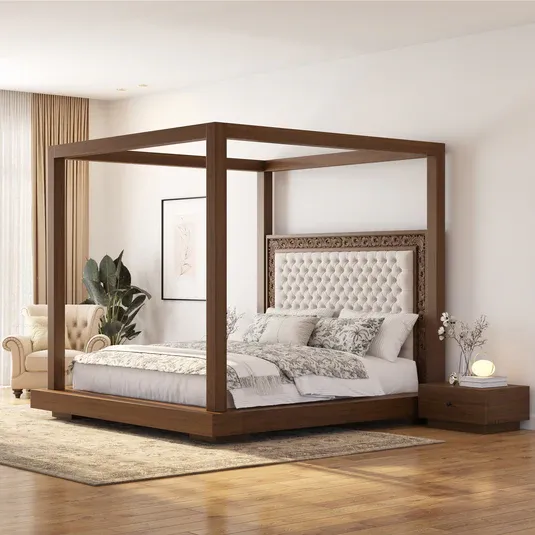
A larger bed shifts the visual balance of a bedroom, so proportion and style matter more than they do with a standard queen frame. Upholstered or boucle headboards help soften the bulk of a bigger frame, which pairs well with the modern farmhouse look popular across the South and Midwest.
Platform-style frames with lower profiles and clean lines tend to suit smaller primary suites or West Coast mid-century modern interiors, since they take up less visual space even at a larger footprint. Canopy frames add drama but need at least 9-foot ceilings to avoid feeling cramped.
A Simple Pre-Purchase Checklist
- Measure the room and confirm 24 to 30 inches of clearance on all sides
- Verify wood species and joinery method rather than relying on vague "solid wood" labels
- Confirm the frame includes reinforced center support
- Match the frame style and profile to your ceiling height and room proportions
- Factor in your regional climate and typical indoor humidity
Final Thoughts
Better sleep often starts with something as basic as having enough physical space to move freely through the night. But a bigger bed only delivers on that promise if it's built from solid materials with proper joinery and support, especially for frames used every night for years.
Whether you're upgrading a primary bedroom in a growing Sun Belt household or finally giving yourself room to stretch out in a Midwest home, take the time to check construction details before you buy. Explore handcrafted, solid wood bed frames with documented species and joinery information at theruralart.com.






























Sign in to leave a comment.