

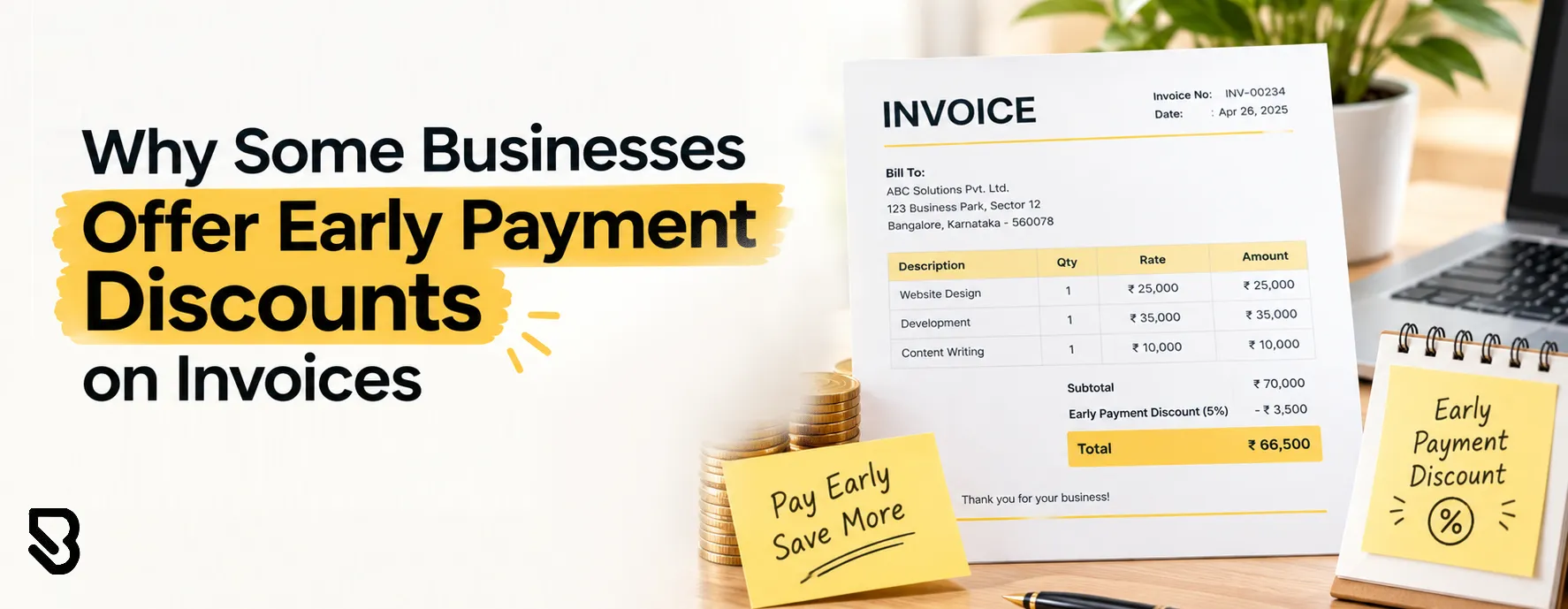
Most small business owners set up invoice numbering once, when they send their first invoice, and never think about it again. That's usually fine — until a client disputes a payment, an accountant asks for a specific record, or tax season arrives and something doesn't add up. At that point, a sloppy numbering system turns a five-minute lookup into an afternoon of digging through folders.
What Actually Makes an Invoice Number "Good"
An invoice number exists to do one job: uniquely identify that invoice, and only that invoice, for as long as your records matter. To do that job well, it needs to be unique (never reused across two different invoices), sequential (issued in order, without gaps you can't explain), and traceable (you or anyone auditing your books can find the invoice behind any given number without guesswork).
Most systems fall into one of three formats: a straightforward sequential number (1001, 1002, 1003), a date-based format that bakes the year or month into the number (2026-001, 2026-002), or an alphanumeric format that adds a client or project code (ACME-2026-001). All three work. What matters is picking one and staying consistent, not which one you pick.
Why Gaps and Reused Numbers Cause Problems
A missing number in your sequence looks, to an accountant or tax authority, exactly like a hidden or deleted invoice — even when the real explanation is something harmless, like a canceled order. The fix isn't to delete the canceled invoice and let the next number take its place. It's to keep the invoice on record and mark it void, so the sequence stays intact and explainable.
Reused numbers cause a different problem: two invoices with the same identifier make it impossible to know which one a payment, a dispute, or a tax filing actually refers to. Once that happens, resolving it usually means manually cross-referencing dates, amounts, and client names — exactly the kind of work a numbering system is supposed to prevent.
The Legal Angle
There's no single global rule here. In the United States, there's no federal law requiring invoices to be strictly sequential, though sequential numbering is standard practice and the default behavior in most accounting and invoicing software. In many other jurisdictions — including the EU, India, and Australia — tax authorities do require unique, sequential invoice numbers as a formal compliance matter. If you invoice clients outside the US, it's worth checking your local requirement rather than assuming US norms apply.
Making It Automatic
The simplest way to avoid all of this is to stop numbering invoices by hand. A dedicated invoice generator assigns the next number automatically every time you create a new invoice, which removes the two most common failure points: forgetting to update the number, and accidentally reusing one from an old template. It also keeps your sequence intact even as you switch between clients, projects, or billing periods, so your records stay clean without you having to think about it.
A numbering system isn't exciting, but it's one of the few invoicing habits that costs nothing to get right and creates real friction when it's wrong. Set the format once, stay consistent, and let automation handle the rest.


























Sign in to leave a comment.