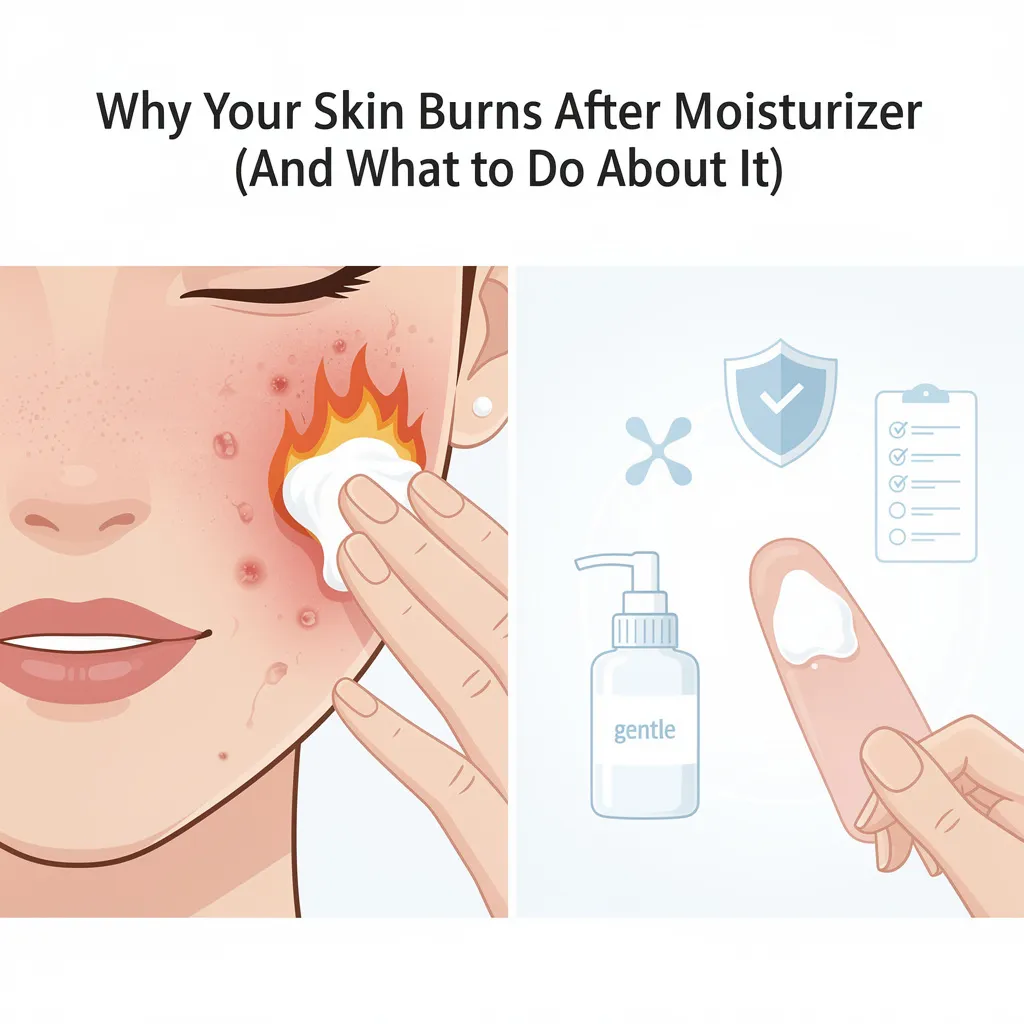

That sudden sting right after applying moisturiser can be genuinely alarming, especially when the product promised hyadration, not discomfort. If this keeps happening, your skin is trying to tell you something, and understanding what is actually going on makes fixing it a lot easier than randomly switching products.
Burning Does Not Always Mean the Product Is Bad
One of the biggest misconceptions is assuming the moisturiser itself is automatically the problem. Sometimes it genuinely is, but often the real issue is your skin being more reactive than usual. Skin sensitivity shifts over time due to weather, over-cleansing, over-exfoliating, or even stress, which means a product that felt fine last month can suddenly feel uncomfortable now.
Burning after applying moisturiser usually points to either a compromised skin barrier or a specific ingredient your skin genuinely does not tolerate well. Figuring out which one applies to you is the real first step.
Why Your Skin Barrier Plays Such a Big Role
Your skin barrier acts as your first line of defence, and when it is weakened, it becomes far more reactive to things that would not normally bother healthy skin. If you have been using strong actives frequently, exfoliating too often, or dealing with ongoing dryness, your barrier is likely already under stress. This makes even a mild moisturiser feel uncomfortable, not because the product changed, but because your skin did.
In these cases, the stinging sensation is less about the moisturiser being wrong and more about your skin needing time to recover before it can comfortably tolerate that product again.
When a Specific Ingredient Is the Real Cause
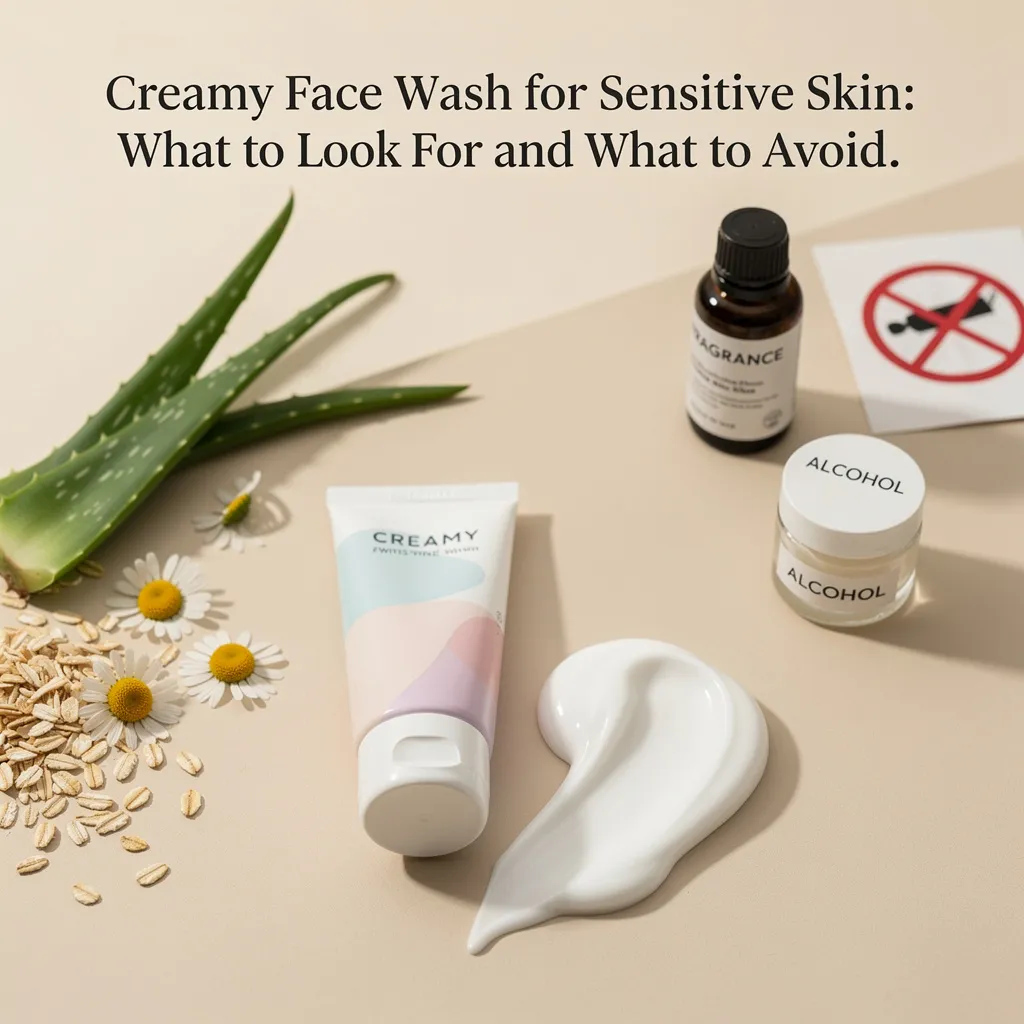
Sometimes the burning genuinely comes down to an ingredient your skin does not agree with. Fragrance, certain acids, alcohol, and even some natural extracts can trigger stinging, especially on skin that already leans sensitive or reactive. This becomes especially relevant for anyone following an acne-prone skincare routine, since many acne-targeted products contain active ingredients that can feel intense until your skin builds tolerance.
Paying attention to patterns, like noticing that stinging happens specifically with products containing a certain ingredient, helps you pinpoint exactly what your skin is reacting to.
Why Active Ingredients Often Cause This Reaction
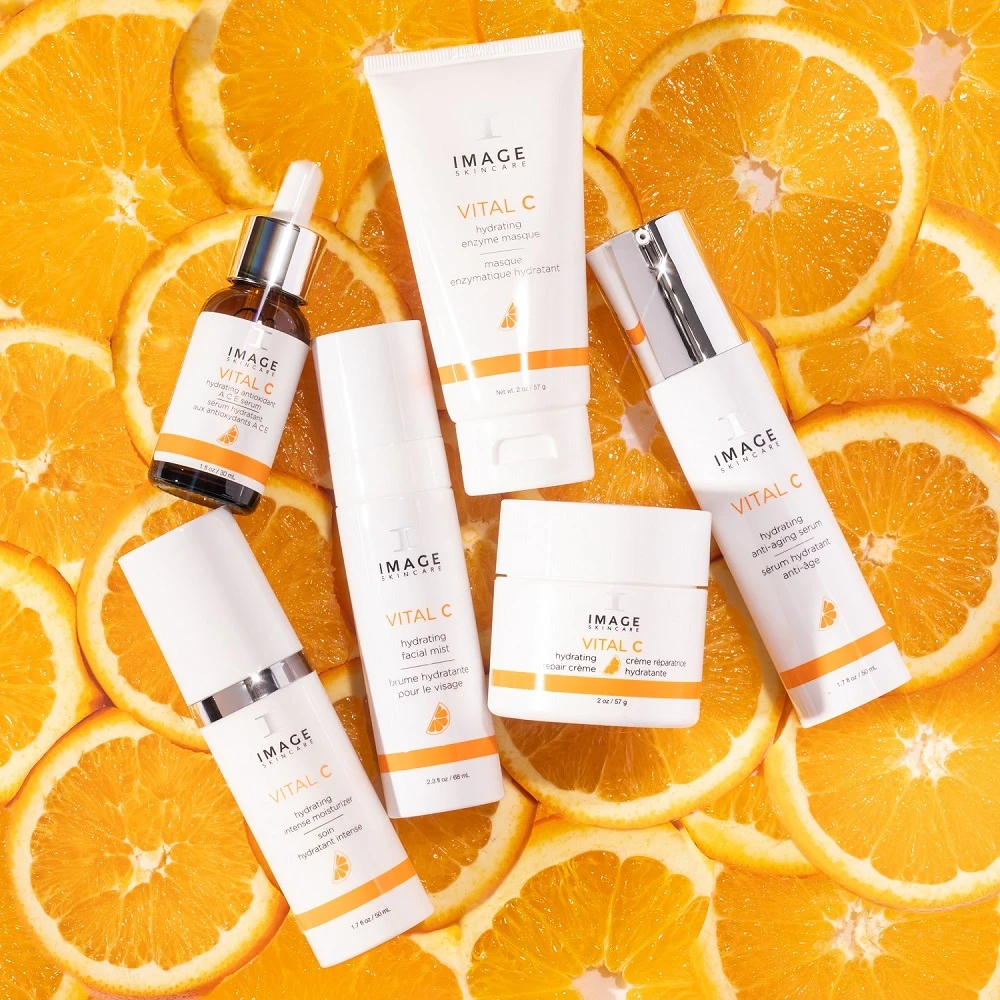
Products containing retinoids, certain acids, or higher concentrations of Vitamin C are more likely to cause stinging, especially when your skin has not built tolerance yet. This does not always mean something is wrong. Sometimes it simply means your skin needs gradual introduction, starting with smaller amounts or less frequent use before slowly increasing over time.
That said, if the burning feels intense, lingers for a while, or comes with visible redness or swelling, that is a clear sign your skin is reacting negatively rather than simply adjusting, and the product should be paused right away.
What to Do the Moment Your Skin Reacts
The first step is to stop using the product immediately and let your skin settle. Adding anything new to already irritated skin usually makes things worse rather than better. Simplifying your routine for a few days, focused only on gentle cleansing and calming hydration, gives your skin the space it needs to recover properly before reintroducing anything else.
Rebuilding Slowly and Thoughtfully
Once your skin feels calmer, reintroducing products gradually makes a real difference. If breakouts are part of your concern, adjusting your acne-prone skincare routine to include gentler formulations, rather than jumping straight back into strong actives, helps prevent the same reaction from happening again.
Patch testing any new product on a small area before applying it to your whole face is a simple habit that can genuinely save you from unnecessary discomfort down the line.
Why Patience Is Key Here
Rebuilding a sensitive or reactive skin barrier takes time, usually several weeks of consistent, gentle care. This can feel frustrating if you are eager to get back to treating acne or other concerns, but rushing the process with strong actives too soon often triggers the same burning sensation all over again.
When to See a Dermatologist
If burning happens with multiple different products, or comes with ongoing redness, swelling, or visible irritation, it is worth speaking to a dermatologist. Repeated reactions like this can sometimes point to a deeper barrier issue that needs more targeted care than simply switching products on your own.
The Bottom Line
Burning after applying moisturiser is your skin's way of signalling that something is not right, whether that is barrier damage or a specific ingredient it does not tolerate well. Paying attention to these signals, simplifying your routine when needed, and reintroducing products slowly can help you avoid this discomfort and build a routine your skin genuinely tolerates well.























Sign in to leave a comment.