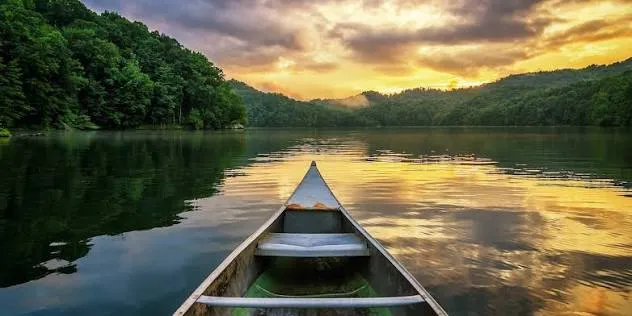

The environment where therapy takes place can influence how a person experiences reflection, conversation, and emotional awareness. For individuals exploring wilderness therapy Boulder, outdoor settings can offer an alternative to a traditional counseling office while creating opportunities to slow down, reconnect with the present moment, and explore personal challenges with professional guidance.
What Is Wilderness Therapy?
Wilderness therapy generally refers to therapeutic work that incorporates natural or outdoor environments into a structured mental health process. It is different from recreational hiking, camping, or survival activities because the primary purpose is therapeutic support.
Depending on the provider and the individual's needs, sessions may include walking conversations, sitting outdoors, mindfulness exercises, sensory awareness, grounding practices, or guided reflection. A qualified therapist connects these experiences with specific counseling goals.
Because providers use the term “wilderness therapy” in different ways, it is important to understand the qualifications of the professional, the structure of the program, and the type of care being offered.
Why the Outdoor Environment Can Matter
Natural environments can provide a different sensory experience from busy indoor or urban settings. Trees, open spaces, natural sounds, and gentle movement may encourage some people to slow down and focus more closely on their surroundings.
Research has explored associations between exposure to nature and psychological factors such as stress, mood, attention, and overall well being. This does not mean nature is a treatment for every mental health concern. Rather, natural environments can sometimes complement professional counselings.
For some individuals, being outside simply creates a setting in which conversation feels more natural and less formal.
Outdoor Therapy and Stress Management
Stress can affect both emotional and physical well being. Someone experiencing prolonged stress may notice irritability, fatigue, muscle tension, difficulty concentrating, changes in sleep, or a persistent feeling of being overwhelmed.
An outdoor therapy session may create opportunities to notice these responses in a calmer environment. A therapist may incorporate walking, breathing exercises, grounding, or sensory awareness while exploring the issues contributing to stress.
The objective is not to eliminate stress completely. Instead, therapy can help individuals understand their responses and develop healthier ways to navigate difficult situations.
Understanding the Mind Body Connection
Emotional experiences are often accompanied by physical sensations. Anxiety may affect breathing, muscle tension, heart rate, energy, or other bodily experiences.
Wilderness and nature based counselings can complement approaches that encourage awareness of these mind body connections. During a session, clients may be invited to notice their breathing, movement, posture, or physical sensations while discussing emotions.
This type of awareness can help individuals recognise how their bodies respond to stress. It is important, however, not to assume that all physical symptoms have a psychological cause. Medical concerns should be evaluated by an appropriate healthcare professional.
A Trauma-Informed Approach to Outdoor Therapy
Not everyone experiences nature in the same way. While an outdoor environment may feel calming for one person, another individual may feel uncomfortable because of physical limitations, unfamiliar surroundings, weather, or personal history.
A trauma informed approach takes these differences seriously. Therapy should prioritize emotional and physical safety, personal choice, trust, and appropriate pacing.
Clients should be able to discuss their preferences and boundaries. They should not be pressured to participate in activities, enter specific environments, or share personal experiences before they feel ready.
This flexibility helps ensure that the outdoor setting supports therapy rather than becoming an additional source of stress.
Supporting People Through Life Changes
Therapy is not limited to diagnosed mental health conditions. People may also seek support during major transitions such as grief, career changes, relationship difficulties, relocation, burnout, or other periods of uncertainty.
An outdoor setting can create a physical and mental pause from familiar routines. Walking through a natural environment, for example, may provide space to reflect on changing priorities, relationships, personal values, and future goals.
With guidance from a therapist, these reflections can become part of a meaningful therapeutic process rather than simply an enjoyable outdoor activity.
Building Resilience Through Experience
Resilience is not the absence of difficult emotions. It is the ability to adapt, recover, and respond to challenges in healthier ways.
Outdoor therapy may support this process by encouraging individuals to practise awareness, tolerate uncertainty, and remain connected to their surroundings. These experiences can become opportunities to identify personal strengths and develop practical coping skills.
For some people, progress may mean becoming more comfortable with uncertainty. For others, it may involve communicating needs more clearly, setting boundaries, or recognising stress before it becomes overwhelming.
Choosing the Right Wilderness Therapy Provider
When considering wilderness therapy, professional qualifications should be an important part of the decision. It is worth learning about the therapist's training, treatment approach, session structure, safety procedures, and the specific population they serve.
A trustworthy provider should explain what the program involves and how therapeutic goals are established. Confidentiality, informed consent, appropriate boundaries, and personalized care should remain important regardless of whether therapy takes place indoors or outdoors.
The outdoor setting can enhance the experience, but the quality of professional care remains central.
Is Wilderness Therapy Right for Everyone?
There is no therapy approach that is appropriate for every individual. Some people feel more engaged outdoors, while others benefit more from the familiarity and privacy of a traditional office.
Physical accessibility, weather conditions, personal preferences, mental health needs, and treatment goals all deserve consideration. A qualified mental health professional can help determine whether outdoor therapy is an appropriate option.
In some cases, wilderness or nature-based therapy may be combined with approaches such as mindfulness, somatic therapy, cognitive behavioral strategies, EMDR, or trauma-informed counseling.
Conclusion
Outdoor therapy provides another way to approach mental and emotional wellness while maintaining the importance of professional support. Wilderness therapy can offer opportunities for reflection, mindfulness, stress awareness, and personal growth when it is thoughtfully designed and guided by qualified professionals. At Evolve In Nature, trauma-informed and nature-based counseling provides personalized support for individuals who want to explore their experiences, strengthen resilience, and move through stress, trauma, and life changes with greater awareness and confidence.
Frequently Asked Questions
What is wilderness therapy?
Wilderness therapy is a therapeutic approach that incorporates natural or outdoor environments into professional counseling. Depending on the provider, sessions may include walking, mindfulness, grounding, sensory awareness, and therapeutic conversation.
Is wilderness therapy the same as hiking or camping?
No. Recreation focuses primarily on enjoyment or physical activity, while wilderness therapy connects outdoor experiences with specific therapeutic goals and professional mental health support.
Can wilderness therapy help with stress?
Outdoor environments may provide opportunities for grounding, reflection, and mindfulness. When incorporated into professional counseling, these experiences can complement broader strategies for managing stress.
Is wilderness therapy appropriate for trauma?
It may be appropriate for some individuals when delivered through trauma-informed care. Emotional safety, consent, personal choice, physical comfort, and appropriate pacing should guide the therapeutic process.
Do I need to be physically fit?
Not necessarily. Outdoor therapy can sometimes be adapted to different physical abilities and mobility needs. Discussing accessibility and activity expectations with the provider before beginning is important.
Can wilderness therapy be combined with other forms of therapy?
Yes. Depending on individual needs and the therapist's training, outdoor counseling may be combined with mindfulness, somatic therapy, EMDR, cognitive behavioral approaches, or other evidence-informed therapeutic methods.


























Sign in to leave a comment.