

A dyeing unit in Palsana signed a solar captive deal and expected to cover most of its bill. Two years later, savings were roughly half of what the model promised.
Nothing was wrong with the plant. The mill just ran its heaviest loads after 8 pm.
That single mismatch explains more failed renewable projects than equipment quality ever will.
Your shift pattern decides the technology
Solar generates between roughly 7 am and 6 pm, peaking around noon. Great if you're a diamond polishing unit in Katargam running day shifts. Less useful for a processing house pushing stenters through the night to catch off-peak tariff rebates.
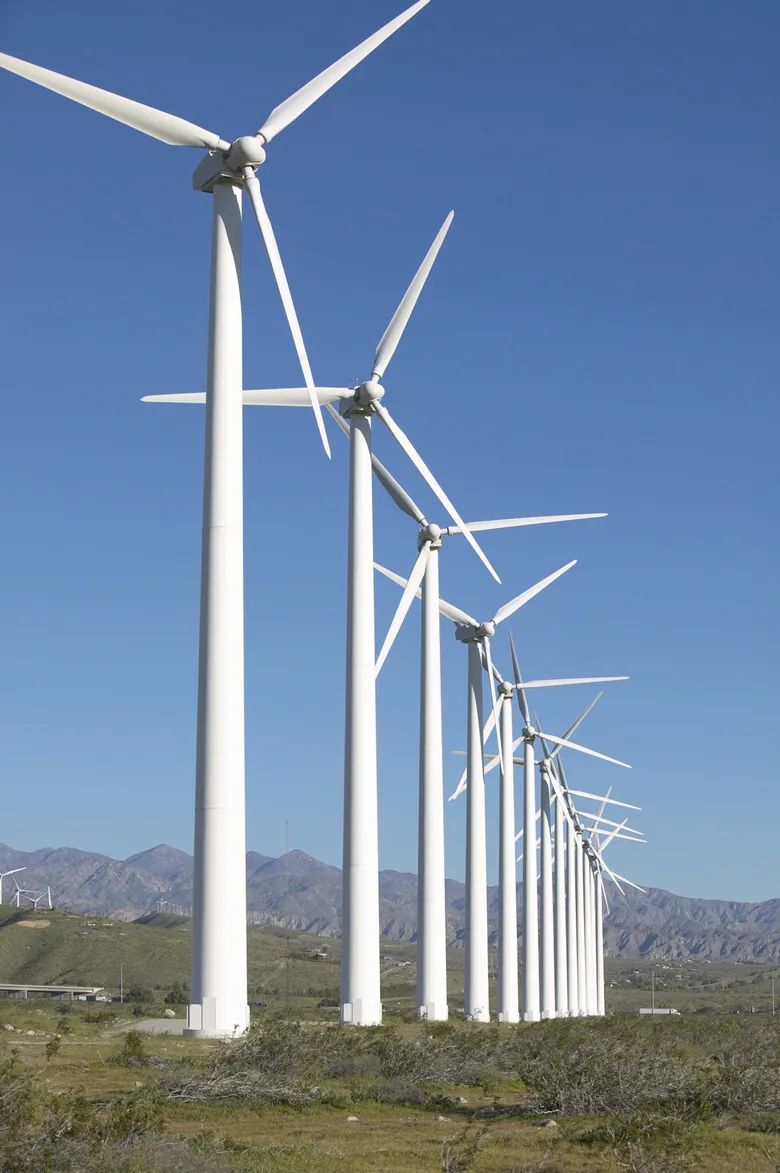
Wind behaves differently. It blows through the night, and Gujarat's coastal belt sees its strongest months from May through September.
Continuous chemical plants- the ones in Sachin and along the Ankleshwar corridor - sit somewhere in the middle. Flat load, all hours, which usually points toward a blend.
About those wind turbines being 400 km away
South Gujarat has almost no usable wind resource. Surat isn't a wind site and never will be.
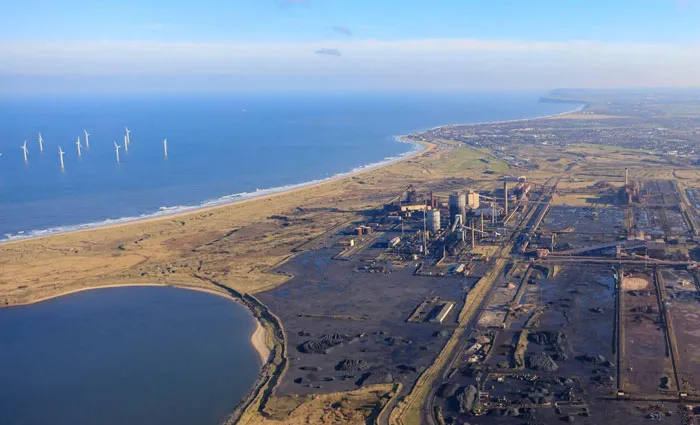
So industrial wind power plants in Surat are, in practice, capacity contracted in Kutch, Bhavnagar or Amreli and wheeled to your meter through GETCO's network. You pay transmission and wheeling charges for that journey. Build them into the model early - they change the landed number more than most buyers expect.
The numbers, roughly
Solar in Gujarat delivers a CUF of about 19–21%. Wind at a decent coastal site runs 30–38%.
Wind looks better on paper. It also costs more per MW installed, and site quality varies enormously - two locations in the same taluka can differ by several percentage points of CUF.
Hybrids are where it gets interesting. Pair wind and solar at one connectivity point and combined utilisation can push past 45%, because the same evacuation infrastructure now works harder across more hours of the year.
That's the actual economics of hybrid. Not the generation mix - the shared grid asset.
Seasonality nobody plans for
Solar output drops sharply during monsoon. Wind peaks then.
Come March through May, that flips completely. Blazing irradiance, weaker winds.
If your production runs year-round at a steady rate, a hybrid smooths that curve in a way neither source manages alone. If your factory shuts for a month during Diwali, that changes the sizing conversation entirely - and banking terms suddenly matter a great deal.
Who does what
Worth knowing the difference before you start meetings. An IPP wind energy developer owns and operates the asset and sells you power. An EPCC and balance-of-plant contractor builds it.
KP Energy, for instance, works the EPCC and BoP side - foundations, internal cabling, pooling substations, transmission lines, the infrastructure that decides whether a commissioned turbine can actually dispatch. Different role, different conversation.
Start here, not with tariffs
Pull twelve months of consumption data at 15-minute intervals if your meter supports it. Map generation against that curve, hour by hour.
Most decisions become obvious at that point.
Night-heavy load? Wind or hybrid. Daytime-dominant? Solar alone probably works. Continuous operation with year-round demand? Hybrid, almost certainly.
Everything else - tariff, developer, structure follows from that curve.






















Sign in to leave a comment.