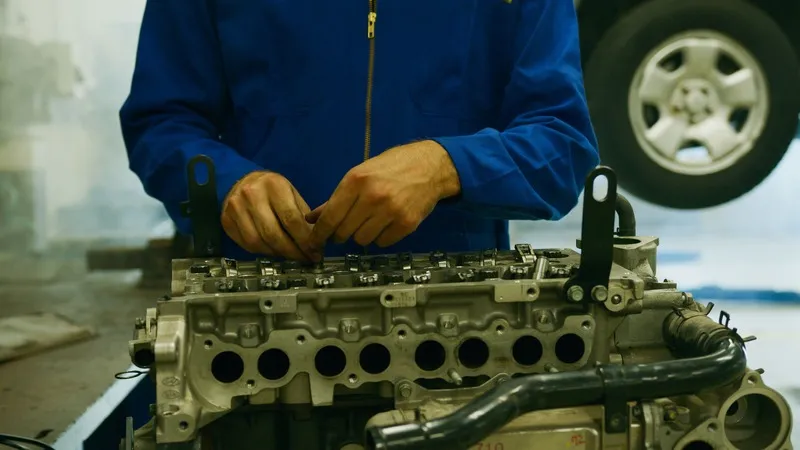

Owning a yacht is an enjoyable way to explore the water, spend time with family, and experience recreational boating. However, keeping your yacht safe and reliable requires regular engine maintenance. A well-maintained engine can deliver consistent performance, reduce the risk of unexpected breakdowns, and help you avoid costly repairs. For boat owners, understanding the importance of yacht engine maintenance Melbourne services is an essential part of protecting their vessel and enjoying every journey with confidence.
Yacht engines operate in challenging conditions. Exposure to moisture, saltwater, changing temperatures, and long periods without use can affect engine components over time. Without proper care, problems such as corrosion, fuel contamination, overheating, and electrical faults may develop. Regular inspections and timely servicing help identify these issues early, allowing you to address them before they become serious mechanical problems.
Why Is Yacht Engine Maintenance Important?
Regular engine maintenance helps keep your yacht operating efficiently and reliably. Like any mechanical system, a marine engine experiences wear as it operates. Engine oil gradually becomes contaminated, filters collect dirt, and belts, hoses, and other components can deteriorate. If these parts are not inspected and maintained, they may affect engine performance and increase the risk of failure.
Booking a professional yacht engine service Melbourne boat owners can rely on helps ensure that important engine systems receive the attention they need. A qualified marine mechanic can inspect the engine, check fluid levels, examine the cooling system, and identify signs of wear or damage.
Preventive maintenance is particularly important before long boating trips or the start of a busy boating season. Finding a minor problem during a scheduled inspection is generally easier to manage than dealing with an engine breakdown while you are away from shore.
Common Yacht Engine Problems Every Boat Owner Should Know
Understanding common engine problems can help you recognise when your yacht needs professional attention. Early action may prevent further damage and help keep your vessel ready for use.
1. Engine Starting Problems
A yacht engine that struggles to start may have a weak battery, loose electrical connections, a faulty starter motor, or a fuel delivery problem. Diesel engines can also experience starting difficulties because of contaminated fuel or issues with the fuel injection system.
If the engine repeatedly fails to start, avoid continuing to crank it for long periods. Check only the basic items covered by your owner's manual and arrange a professional inspection if the problem continues.
2. Engine Overheating
Overheating is a serious issue that can cause significant engine damage. Common causes include restricted cooling water flow, a damaged seawater pump impeller, a blocked heat exchanger, or a faulty thermostat.
If the engine temperature rises above its normal range, follow the manufacturer's safety instructions and stop operating the engine when appropriate. A mechanic can inspect the cooling system, identify the cause, and recommend the necessary repairs.
3. Unusual Smoke or Engine Noise
Excessive exhaust smoke, knocking sounds, unusual vibration, or changes in engine noise should not be ignored. These symptoms may indicate fuel combustion problems, worn components, exhaust issues, or other mechanical faults.
A professional diagnosis can help identify the underlying problem instead of relying on guesswork. Addressing unusual engine behaviour early may prevent a minor issue from developing into a more expensive repair.
4. Fuel System Problems
Fuel contamination can affect engine performance and reliability. Water, dirt, and other contaminants may enter the fuel system and block filters or interfere with fuel injection. Older fuel that has been stored for long periods may also create problems.
Regular fuel filter inspections, proper fuel storage, and timely replacement of contaminated fuel can help protect the engine. If you notice poor performance or repeated starting issues, arrange a fuel system inspection.
5. Corrosion and Fluid Leaks
Marine engines are exposed to moisture and potentially corrosive conditions. Over time, corrosion can affect metal components, electrical connections, clamps, and other parts. Oil, coolant, or fuel leaks may also indicate worn seals, damaged hoses, or loose fittings.
Inspecting the engine compartment regularly can help you notice these warning signs. Any suspected fuel leak should be treated seriously, with the engine shut down and appropriate safety precautions followed.
Essential Yacht Engine Maintenance Tasks
Following a consistent maintenance routine can help extend engine life and support dependable performance. Always follow the engine manufacturer's recommendations, as service requirements vary between models and operating conditions.
Check Engine Oil and Filters
Engine oil lubricates moving parts and helps reduce friction and wear. Check the oil level according to the manufacturer's instructions and replace the oil and filter at the recommended intervals. Using the correct oil specification is important for reliable engine operation.
Inspect the Cooling System
The cooling system helps maintain a safe operating temperature. Check accessible hoses, clamps, coolant levels where applicable, and signs of leakage or corrosion. Marine engines using seawater cooling may also require inspection of the impeller, heat exchanger, and associated components.
Maintain the Fuel System
Inspect fuel filters and visible fuel lines for damage or leaks. Keep fuel tanks and stored fuel in suitable condition, and follow the recommended filter replacement schedule. Clean fuel helps support consistent combustion and reduces the risk of fuel-related engine faults.
Check Batteries and Electrical Connections
A healthy battery is essential for starting the engine and powering electrical systems. Inspect battery terminals for corrosion, check that connections are secure, and monitor charging performance. Electrical work should be handled by a qualified professional when it requires specialist testing or repairs.
Inspect Belts, Hoses, and Mountings
Belts and hoses can deteriorate because of heat, vibration, and age. Look for visible cracks, swelling, loose connections, or signs of wear. Engine mountings should also be checked if you notice increased vibration or unusual movement.
Keep Maintenance Records
Record service dates, engine hours, replaced parts, and any repairs completed. These records help you plan upcoming maintenance and provide useful information when diagnosing recurring problems.
When Should You Book a Yacht Engine Service in Melbourne?
The right service schedule depends on your engine type, operating hours, age, and manufacturer's recommendations. Many boat owners arrange regular servicing annually or according to engine hours, whichever comes first, but some engines require different intervals.
You should consider booking a professional inspection if you notice unusual engine noises, starting difficulties, overheating, visible leaks, or reduced performance. A service is also worthwhile before a long journey, after extended storage, or when buying a used yacht.
Professional yacht engine service Melbourne specialists can assess your engine's condition and recommend maintenance based on its actual needs. Regular servicing helps you plan repairs, maintain performance, and reduce the risk of unexpected mechanical problems during your boating trips.
Choosing the Right Private Boat Mechanic in Melbourne
Selecting an experienced mechanic is an important part of yacht ownership. Marine engines operate in conditions that differ from ordinary vehicle engines, so choosing someone familiar with marine systems can make a significant difference.
When looking for a private boat mechanic Melbourne boat owners can trust, consider the following factors:
- Marine engine experience: Look for experience with your engine brand, model, and fuel type.
- Diagnostic skills: Choose a mechanic who can investigate the cause of a problem rather than simply replacing parts.
- Clear communication: Ask for an explanation of the required work, estimated costs, and expected completion time.
- Quality replacement parts: Confirm that recommended parts meet the engine manufacturer's specifications.
- Preventive maintenance advice: A good mechanic should explain how to care for your engine between scheduled services.
It is also helpful to ask whether the mechanic can inspect the engine's cooling, fuel, electrical, and exhaust systems as part of the service. Clear service records and a detailed explanation of any recommended repairs make it easier to manage your yacht's long-term maintenance.
Leisure Boat Engine Repair and Preventive Care
Even with regular servicing, a yacht engine may occasionally develop mechanical problems. Worn components, contaminated fuel, electrical faults, and cooling system failures can affect performance and reliability. Arranging leisure boat engine repair Melbourne services promptly can help prevent a small issue from causing more extensive damage.
The repair process should begin with a proper inspection to identify the source of the problem. Depending on the findings, the mechanic may recommend replacing filters, repairing damaged hoses, addressing electrical connections, or carrying out more detailed engine diagnostics.
Boat owners can also take simple steps to reduce the likelihood of problems. Check for visible leaks before trips, monitor engine temperature and warning indicators, keep the engine compartment clean, and follow the manufacturer's maintenance schedule. After using your yacht, follow the appropriate cleaning and storage recommendations for its engine and marine environment.
If your yacht has been unused for several months, arrange an inspection before returning it to regular use. Fuel condition, battery health, hoses, belts, and cooling system components may need attention. Preventive care helps you prepare for your next outing with greater confidence.
Frequently Asked Questions
1. How often should I service my yacht engine?
You should service your yacht engine according to the manufacturer's recommended schedule, based on time and operating hours. Many owners arrange annual servicing, but the correct interval depends on the engine model and how frequently the yacht is used. Regular checks before trips can help identify problems between scheduled services.
2. What does a yacht engine service include?
A typical service may include changing engine oil and filters, inspecting the fuel and cooling systems, checking belts and hoses, examining electrical connections, and looking for leaks or corrosion. The mechanic may also review diagnostic information and recommend additional repairs if necessary. The exact work depends on the engine's requirements and condition.
3. What are the signs that my yacht needs engine repairs?
Common warning signs include difficulty starting, overheating, unusual noises, excessive exhaust smoke, fluid leaks, increased vibration, and reduced power. If you notice these symptoms, arrange a professional inspection. Stop using the engine if a serious warning appears, such as overheating or low oil pressure, and follow the manufacturer's safety instructions.
4. Can regular maintenance help prevent yacht engine breakdowns?
Yes. Regular maintenance helps identify worn parts, fuel problems, cooling system issues, and other developing faults before they cause more serious damage. Although servicing cannot prevent every mechanical failure, following the recommended schedule can improve reliability and reduce the likelihood of unexpected breakdowns.
5. Why should I hire a professional marine mechanic in Melbourne?
A professional marine mechanic can inspect your engine, diagnose faults, and recommend suitable maintenance or repairs. Experience with marine engines is valuable because these systems operate in demanding conditions and may require specialised tools or diagnostic equipment. Professional support can help you maintain your yacht safely and efficiently.
Conclusion
Yacht engine maintenance is essential for protecting your vessel, improving reliability, and enjoying trouble-free boating. Regular inspections, timely servicing, and attention to early warning signs can help prevent avoidable engine problems and keep repair costs manageable.
Whether you need routine yacht engine service Melbourne support or assistance with a developing mechanical fault, choosing an experienced marine mechanic is an important step towards keeping your yacht in good condition. By following the manufacturer's maintenance schedule, keeping accurate service records, and preparing your engine before each boating season, you can enjoy greater confidence every time you head out on the water.




























Sign in to leave a comment.