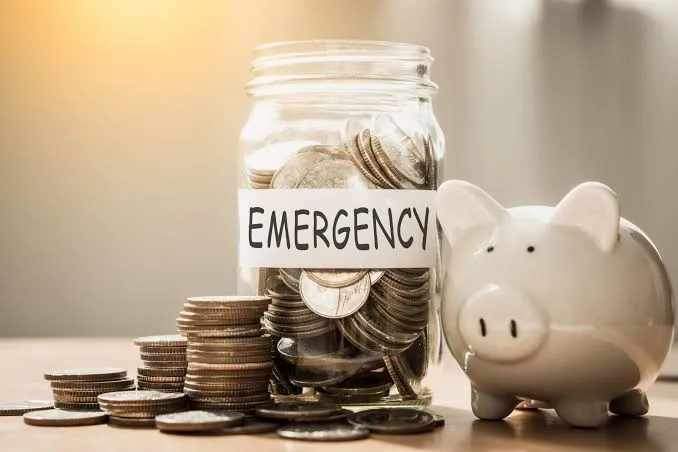

Financial planners have spent two decades telling people to build an emergency fund covering six months of expenses, parked somewhere boring and liquid, untouched until an actual emergency arrives. It's good advice, and most people who follow it still find that six months of expenses isn't enough when the emergency in question is a hospital bill, a job loss that drags on, or a home repair that turns out to be structural.
What fewer people realize is that the rest of their portfolio, the part they've been told never to touch, can also serve as a safety net. You can borrow against your mutual fund holdings without selling a single unit, which turns a portfolio built for long-term growth into a second line of defense you can draw on without derailing that growth.
Why the traditional emergency fund runs out faster than planned
The six-month rule assumes a single, contained event. Real emergencies rarely cooperate. A job search that was supposed to take six weeks stretches to five months. A surgery gets followed by a slower recovery than expected, with more medical bills. A car accident triggers repair costs, a rental car, and lost income all at once.
By the time the emergency fund is depleted, the underlying problem often hasn't resolved. The next move for most people is a credit card, which carries interest rates well above 30% annually in India, or a personal loan taken under pressure, which tends to be priced worse than one taken with time to shop around.
The case for a second layer
A portfolio you can borrow against, rather than one you have to sell, functions as a second layer that activates only when the first one runs dry. It has three properties that make it well suited to this role.
It costs nothing until you use it. A credit line against your holdings typically doesn't charge interest on the undrawn portion. You can have the facility ready and pay nothing unless you actually draw on it.
It doesn't force a sale during a bad moment. Emergencies often coincide with market downturns, since recessions produce both job losses and falling portfolios. Selling investments at the bottom to cover an emergency locks in losses permanently. Borrowing against the same holdings avoids that, since the units stay invested and can recover once markets do.
It's faster to access than most people expect. Digital lien marking through mutual fund registrars means a credit line against an existing portfolio can be set up and drawn on the same day, which matters when the emergency fund runs out mid crisis rather than at a convenient planning moment.
Where this fits relative to the emergency fund itself
This isn't a replacement for keeping cash on hand. Liquid savings remain the first response, because they carry no interest cost and no market risk. The point is what happens after that cash is gone and the emergency isn't over.
A sensible structure looks like this: three to six months of expenses in a savings account or liquid fund as the first line, and a standing credit facility against a long term investment portfolio as backup, used only once the first line is exhausted and repaid as soon as normal cash flow resumes.
The trade-offs to weigh honestly
Borrowing against investments during an emergency carries real risk, and it's worth naming clearly rather than glossing over.
If markets fall sharply while the loan is outstanding, the value of the pledged portfolio falls with it, and lenders typically require additional collateral or partial repayment to maintain cover. That demand can arrive during the same downturn that caused the emergency in the first place, which is the least convenient possible timing.
There's also the temptation risk. A standing credit line against your investments is easy to draw on for non emergencies too, and every rupee drawn is a rupee of interest cost plus locked collateral. This layer works best with a clear personal rule about what qualifies as an emergency, decided in advance, not improvised in the moment.
Setting it up before you need it
The mistake most people make with any backup plan is researching it only once the crisis has already started. A credit facility against your portfolio takes a similar amount of setup time to a bank account, and having the limit sanctioned in advance means it's simply there when needed, rather than something to figure out while also dealing with the emergency itself.
The traditional emergency fund still does the job it was designed for. It just wasn't designed to handle everything, and most portfolios are sitting on a second layer of protection that goes unused simply because nobody thought to set it up.


























Sign in to leave a comment.