


Building a Security Operations Center is no longer just a question of choosing the right SIEM platform. The bigger decision is deciding who will operate it, monitor it, maintain it, and respond when something goes wrong.
That is why the managed SIEM vs in-house SIEM debate matters.
An in-house SIEM gives an organization maximum control over its security operations, data, detection rules, and technology stack. A managed SIEM shifts much of that operational responsibility to an external provider that already has analysts, monitoring processes, and security expertise in place.
Neither model is automatically better. The right choice depends on cost, control, internal expertise, compliance requirements, response expectations, and how quickly the organization needs operational coverage.
The Core Technical Difference
The technical difference between the two models is primarily about ownership.
With an in-house SIEM, the organization owns the platform architecture, log onboarding, integrations, detection rules, infrastructure, storage, tuning, investigations, staffing, and incident response processes.
Managed SIEM changes that model. The provider operates some or most of those functions on behalf of the customer, usually through a subscription or managed-service agreement.
Both approaches can use similar SIEM technology. What changes is who carries the operational burden.
That distinction becomes important because deploying a SIEM is only the beginning. Someone still needs to keep integrations healthy, investigate alerts, tune noisy detections, maintain retention policies, update parsers, handle platform changes, and make sure the system remains useful as the environment evolves.
In-House SIEM: Complete Control at a Premium Cost
The strongest argument for an in-house SIEM is control.
Organizations can decide exactly where security data is stored, which sources are collected, how detections are written, how long logs are retained, and how incident-response workflows operate.
That level of control can be particularly important for large enterprises, regulated organizations, or businesses dealing with sensitive customer and operational data.
Internal teams can also customize detections much more deeply. They understand which users, applications, systems, and network behaviors are normal inside the organization. That context can make investigations faster and reduce dependence on generic detection rules.
An internal SOC can also integrate the SIEM closely with existing tools and processes. Custom SIEM connector development can connect proprietary security products, internal applications, cloud platforms, and business systems directly into the organization’s security architecture.
But that control comes at a cost.
An in-house SIEM needs more than software. It requires analysts, security engineers, detection specialists, infrastructure, storage, training, monitoring, and ongoing maintenance.
Continuous security monitoring also creates a staffing challenge. An organization that wants real 24/7 coverage cannot rely on one analyst or a standard office-hours team. It needs enough people to cover shifts, weekends, holidays, leave, training, and employee turnover.
That is where the real cost of an internal SIEM often appears.
Managed SIEM: Faster Coverage With Less Operational Overhead
Managed SIEM takes a different approach.
Instead of building every operational capability internally, the organization uses an external provider to run significant parts of the SIEM environment.
That can include platform monitoring, alert triage, detection tuning, log-source management, threat hunting, reporting, and incident escalation.
The biggest advantage is speed.
An organization does not need to recruit and train a complete security operations team before establishing continuous monitoring. A managed provider already has analysts, processes, infrastructure, and operational experience.
This can be particularly valuable for small and mid-sized organizations that need 24/7 security coverage but cannot justify building a full SOC.
Managed services can also make costs more predictable. Instead of separately budgeting for staff, infrastructure, training, storage, and platform operations, many of those expenses are consolidated into the service agreement.
The trade-off is reduced direct control.
The provider may use standardized workflows, detection processes, or escalation procedures. An external analyst may also lack the business context of someone working inside the organization every day.
That makes service scope extremely important. Organizations need to understand what the provider monitors, how incidents are classified, when alerts are escalated, what actions the provider can take, and which responsibilities remain with the internal team.
The Financial Question Goes Beyond Licensing
Comparing the price of a SIEM license with the price of a managed service does not reveal the full financial picture.
An in-house model includes software and licensing, but also infrastructure, storage, staffing, recruitment, training, deployment, monitoring, and ongoing maintenance.
The staffing component alone can change the economics significantly because experienced SOC analysts and security engineers are specialized resources.
Managed SIEM often replaces several of these variable expenses with a more predictable operating cost. Infrastructure, analysts, monitoring processes, and platform expertise may already be included within the provider’s service model.
However, managed pricing can still depend on factors such as log volume, retention, number of endpoints, services included, and incident-response requirements.
The better comparison is therefore total cost of ownership, not simply platform licensing.
The Hybrid Model: Co-Managed SIEM
There is also a third option.
A co-managed SIEM divides security responsibilities between the organization and an external provider.
For example, the provider may handle continuous monitoring, Tier 1 alert triage, platform maintenance, and routine detection tuning. The internal team can retain responsibility for security strategy, high-priority investigations, business-specific detections, and incident-response decisions.
This model can work well for organizations that already have internal security expertise but do not have enough people to operate a full 24/7 SOC.
It also preserves valuable institutional knowledge.
The external team provides operational scale, while the internal team provides the business context required for more complex decisions.
For many growing organizations, this can provide a practical middle ground between complete outsourcing and building everything internally.
Which Strategy Fits Your Business?
An in-house SIEM tends to make more sense when an organization has strong internal security expertise, enough budget to sustain a SOC, strict control or compliance requirements, and a genuine need for extensive customization.
Managed SIEM becomes attractive when the organization needs continuous monitoring quickly, has limited internal security resources, wants more predictable operational costs, or does not want to spend months recruiting and developing a security operations team.
Co-managed SIEM works particularly well when an internal team already exists but needs additional monitoring capacity, specialist expertise, or after-hours coverage.
The right model therefore depends less on company size than on security maturity, available talent, operational requirements, and risk tolerance.
Integrations Still Matter in Every Model
Whether the SIEM is managed, internal, or co-managed, it still depends on reliable security data.
Endpoints, identity systems, cloud platforms, firewalls, vulnerability scanners, SaaS applications, and custom security products all need to feed useful telemetry into the SIEM.
That means the quality of the integrations remains critical.
A connector that stops authenticating, misses events because of poor pagination, maps fields incorrectly, or fails after an API change can create visibility gaps regardless of who operates the SIEM.
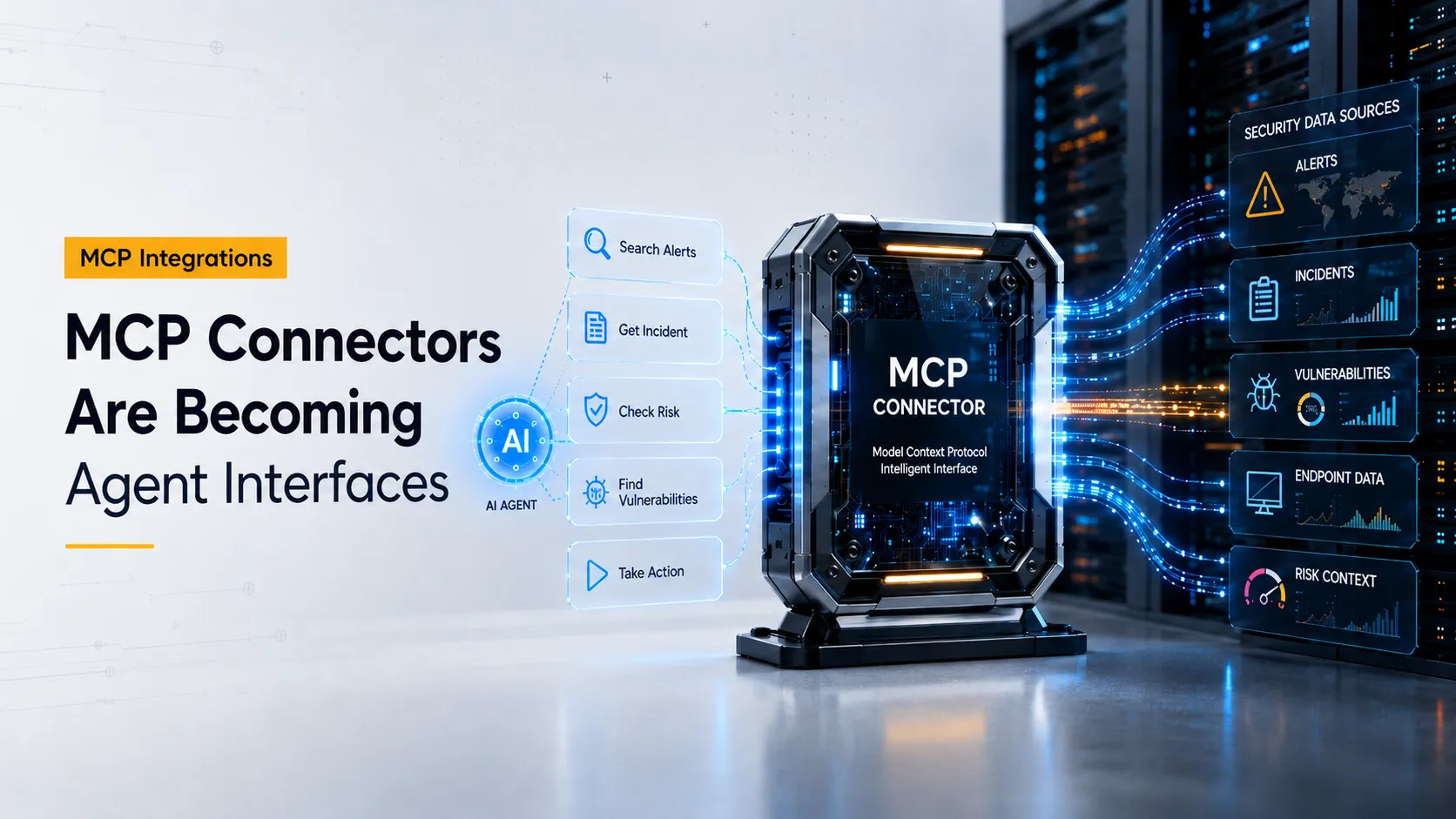
This is why security connector development remains part of the larger SIEM architecture. Reliable integrations need authentication handling, normalization, retries, monitoring, testing, and lifecycle maintenance, not simply an API call.
The Better Question Is Not “Build or Buy?”
The managed-versus-in-house decision is often framed as a simple build-versus-buy question.
In reality, the better question is:
Which operating model can your organization sustain effectively for the next several years?
A powerful SIEM with weak staffing and poorly maintained integrations will still produce weak security outcomes. Likewise, outsourcing monitoring without clear escalation procedures or internal ownership can create its own gaps.
The technology matters.
But people, processes, integrations, coverage, and operational discipline ultimately determine whether a SIEM actually improves security.
For some organizations, that means building internally. For others, it means managed SIEM. And increasingly, the best answer may sit somewhere in between.




















Sign in to leave a comment.