You brush your teeth twice a day, floss when you remember and your smile looks perfectly healthy in the mirror. So, do you really need to see a dentist if nothing hurts?
Yes. Dental problems do not always cause obvious symptoms in the early stages. A tooth can have decay, your gums can be developing an issue, or an old filling can start to deteriorate without causing noticeable pain.
Regular dental check-ups are not only about treating problems. They also help identify potential issues early and keep your teeth and gums healthy over time.
Why Healthy-Looking Teeth Can Still Have Problems?
Looking at your teeth in the mirror only tells you so much. Some dental problems develop in areas that are difficult to see or may not cause symptoms until they become more advanced.
For example, early tooth decay may not cause pain. Gum disease can also develop gradually, with symptoms that may be easy to overlook.
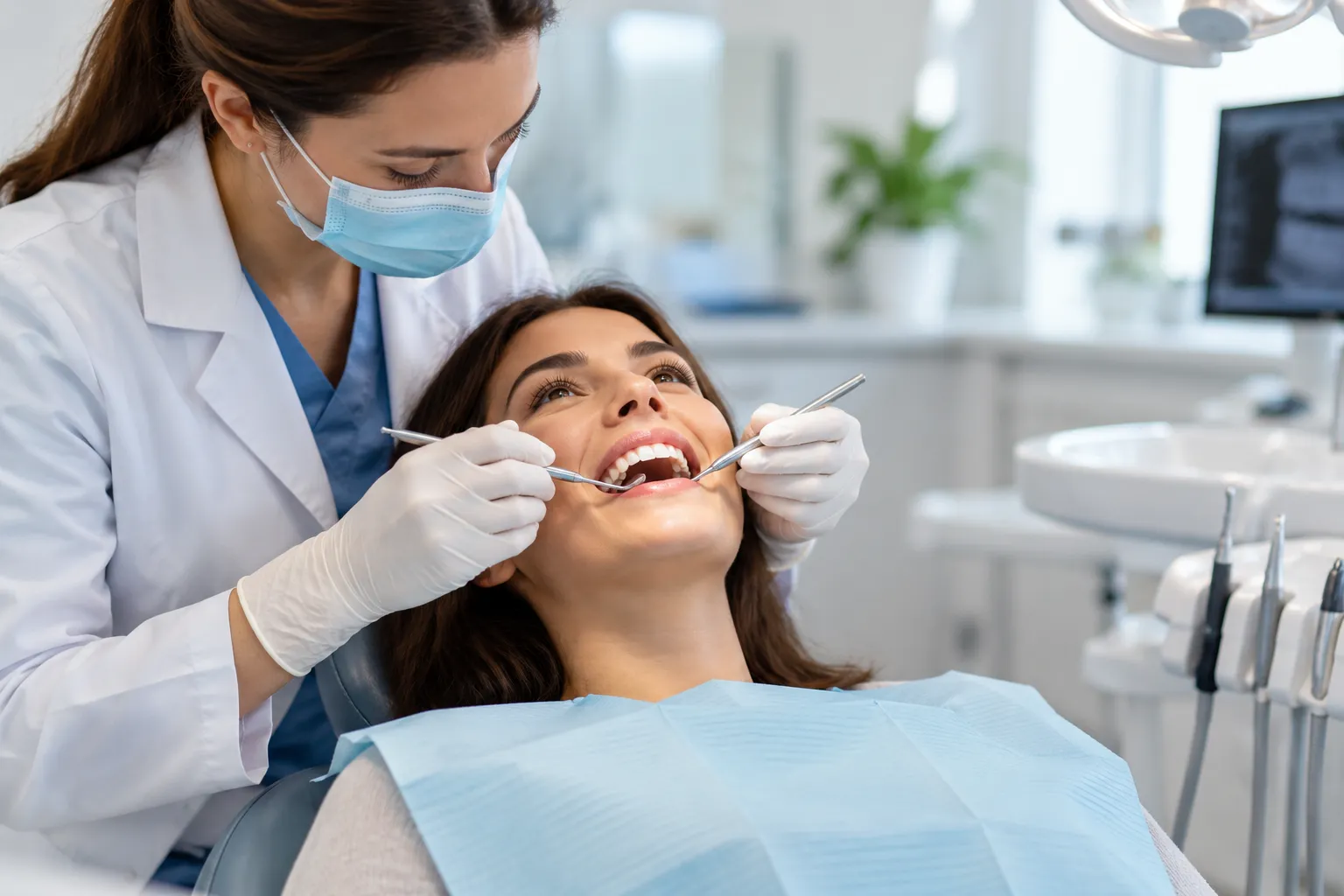
A professional examination allows a dentist to check areas that you cannot properly assess at home.
Tooth Decay May Not Hurt at First
Tooth decay does not necessarily start with a toothache. In its early stages, you may not notice anything unusual.
As decay progresses deeper into the tooth, you may eventually experience sensitivity, pain or discomfort when eating and drinking. By then, the problem may require more extensive treatment.
Regular check-ups can help identify decay before it becomes a larger problem.
Your Gums Need Attention Too
People often focus on their teeth and forget about their gums.
Bleeding when brushing, swollen gums, persistent redness or bad breath can sometimes indicate gum problems. However, gum disease does not always produce noticeable symptoms, particularly in its early stages.
During a dental check-up, your gums can be assessed alongside your teeth.
A Dentist Can Spot Problems You May Miss
Your daily brushing and flossing routine is important, but it cannot replace a professional examination.
A dental professional can look for signs of:
- Tooth decay
- Gum disease
- Damaged fillings
- Cracked or worn teeth
- Tooth erosion
- Plaque and tartar build-up
- Changes in your mouth that need further assessment
Depending on your circumstances, dental X-rays may also be recommended to identify problems that cannot be seen during a normal examination.
Regular Check-Ups Can Help Prevent Bigger Problems
One of the main benefits of regular dental visits is early detection.
A small cavity may be easier to manage than advanced decay. Similarly, identifying gum problems early may help prevent them from becoming more serious.
Preventive dental care can also help you understand what you can improve at home, whether that involves brushing technique, flossing, diet or other aspects of your oral hygiene routine.
How Often Should You Visit a Dentist?
There is no single appointment schedule that suits everyone.
Some people may benefit from more frequent appointments because of their oral health, previous dental problems, age, lifestyle or other risk factors. Others may need less frequent check-ups.
Rather than relying on a fixed schedule, speak with your dental professional about how often you should have your teeth and gums checked.
Do Not Wait Until You Have Toothache
Toothache is not a requirement for making a dental appointment.
If you only visit a dental clinic when something hurts, an existing problem may already have progressed. Regular check-ups give your dental team an opportunity to identify potential concerns before they become uncomfortable or more difficult to manage.
If it has been a while since your last check-up, booking an appointment with a dentist can be a simple step towards maintaining your oral health.
What Can You Do Between Dental Visits?
Your daily habits play an important role in keeping your teeth and gums healthy.
Try to:
- Brush your teeth twice a day with fluoride toothpaste
- Clean between your teeth regularly
- Limit frequent sugary snacks and drinks
- Drink plenty of water
- Avoid smoking and tobacco products
- Replace your toothbrush when the bristles become worn
- Attend recommended dental check-ups
Good home care and professional dental care work together.
FAQ
Can I have tooth decay without knowing it?
Yes. Early tooth decay may not cause noticeable pain or other symptoms. A dental examination can help identify decay before it progresses.
Do I need a dentist if my teeth do not hurt?
Yes. A lack of pain does not necessarily mean your teeth and gums are completely healthy. Some dental problems can develop without obvious symptoms.
How often should I have a dental check-up?
The right frequency depends on your individual oral health and risk factors. Your dental professional can recommend an appropriate check-up schedule.
Can gum disease develop without pain?
Yes. Gum disease can develop gradually and may not always cause significant discomfort in its early stages. Signs such as bleeding, swelling or persistent bad breath should not be ignored.
Are dental X-rays necessary if my teeth look healthy?
Not everyone needs X-rays at every visit. Your dental professional may recommend them when there is a clinical reason to check areas that cannot be seen during a regular examination.
Is a dental check-up only about finding cavities?
No. A check-up can also involve assessing your gums, existing dental work, tooth wear, oral hygiene and other changes in your mouth.
Final Thoughts
Healthy-looking teeth are a great sign, but they do not tell the whole story. Some dental problems can develop quietly and may only become noticeable once they have progressed.
Regular check-ups, combined with good daily oral hygiene, can help you stay ahead of potential problems and maintain a healthy smile for longer.




















Sign in to leave a comment.