




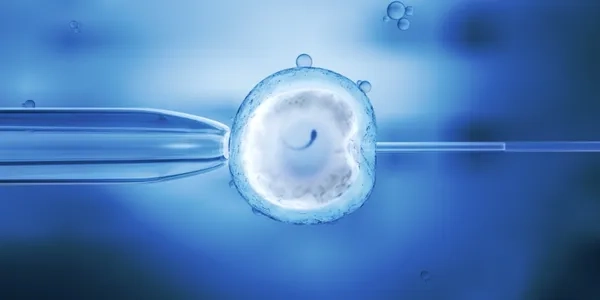
The embryo transfer marks a pivotal moment in your IVF journey—the culmination of weeks of medications, monitoring, egg retrieval, and laboratory work. After all the medical procedures, this relatively quick and painless step represents the moment when science hands back to nature. Then begins what fertility patients universally describe as the most emotionally challenging phase: the two-week wait. Understanding what happens during embryo transfer, what to expect in the days that follow, and how to navigate the psychological rollercoaster of waiting for pregnancy results can help you approach this critical period with greater confidence and less anxiety.
Understanding Embryo Transfer
Embryo transfer is a simple procedure that typically takes just 5-15 minutes, yet it carries the weight of all your hopes and efforts. The transfer usually occurs either three days after egg retrieval (Day 3 embryos, called cleavage-stage embryos) or five days after retrieval (Day 5 embryos, called blastocysts). Most modern fertility clinics prefer transferring blastocysts when possible, as embryos that develop to this stage have demonstrated viability and have higher implantation rates.
The procedure itself is remarkably straightforward and painless. You'll lie on an examination table in a position similar to a routine pelvic exam. The physician uses ultrasound guidance to visualize your uterus and ensure optimal embryo placement. A thin, flexible catheter containing the embryo(s) suspended in a small amount of fluid is gently inserted through the cervix into the uterus.
The embryologist confirms the embryo(s) are loaded into the catheter, and the physician carefully deposits them into the uterine cavity at the precise location determined to offer the best implantation potential. You may see a small bright spot on the ultrasound screen—this is actually the air bubble in the transfer catheter, not the embryo itself (embryos are too small to visualize on ultrasound). After withdrawal of the catheter, the embryologist immediately checks it under a microscope to confirm the embryo(s) were successfully transferred and didn't stick to the catheter.
No anesthesia is required for embryo transfer, though some patients experience mild cramping similar to menstrual discomfort. The entire process is generally much easier and less uncomfortable than the egg retrieval procedure. Most clinics have you rest for 15-30 minutes after transfer, though research shows this rest period doesn't actually affect success rates—it's more for your peace of mind and to ensure you feel steady before leaving.
Factors That Influence Transfer Success
Several factors determine embryo transfer success. Embryo quality ranks as the most significant predictor. Embryos graded as highest quality based on cell division patterns, fragmentation, and overall appearance have substantially better implantation rates than lower-grade embryos. However, even "perfect-looking" embryos don't always implant, and lower-grade embryos sometimes surprise everyone by resulting in healthy pregnancies.
The number of embryos transferred involves balancing pregnancy rates against multiple pregnancy risks. Single embryo transfer (SET) has become standard practice at many leading clinics, particularly for younger patients with high-quality embryos. This approach maintains good pregnancy rates while virtually eliminating the risk of twins or higher-order multiples. For older patients or those with lower-quality embryos, transferring two embryos may be considered, though this substantially increases multiple pregnancy risk.
Endometrial receptivity—whether your uterine lining is optimally prepared to receive the embryo—is crucial. The endometrium must be the appropriate thickness (typically 7-8mm or greater), have the proper appearance on ultrasound, and be synchronized with the embryo's developmental stage. Frozen embryo transfers often have excellent success rates because the endometrium can be prepared without the effects of ovarian stimulation medications.
The physician's technical skill in performing the transfer also matters. Gentle technique, optimal embryo placement depth (typically 1-2 cm from the fundus), avoiding endometrial trauma, and minimizing cervical manipulation all contribute to success. Working with an experienced ivf doctor in jaipur who performs transfers regularly and maintains careful technique throughout the procedure can positively influence outcomes.
What Happens After Transfer - The Science of Implantation
Understanding the biological process unfolding inside your body after transfer can help you appreciate why the two-week wait is necessary. The embryo doesn't immediately "stick" to your uterus. Instead, a carefully orchestrated series of events must occur.
For Day 5 blastocyst transfers, the embryo typically hatches from its outer shell (zona pellucida) within 1-2 days after transfer. This hatching allows the inner cell mass—which will become the baby—to contact the uterine lining. The embryo then undergoes apposition (initial contact with the endometrium), adhesion (forming more stable attachment), and invasion (embedding into the endometrial lining).
During invasion, the embryo's outer cells (trophoblast) actively burrow into the endometrium, tapping into maternal blood vessels. This process establishes the early placental connection that will sustain the pregnancy. The trophoblast cells begin producing human chorionic gonadotropin (hCG)—the pregnancy hormone detected by pregnancy tests—typically around 7-9 days after a Day 5 transfer.
Throughout this process, an intricate dialogue occurs between embryo and endometrium. Chemical signals ensure proper timing and coordination. The progesterone you're taking plays a vital role in maintaining endometrial receptivity and supporting early pregnancy development.
The Two-Week Wait - Physical and Emotional Realities
The approximately two weeks between embryo transfer and pregnancy testing feels interminable for most patients. This period involves physical symptoms that may or may not indicate pregnancy, emotional fluctuations between hope and fear, and the overwhelming temptation to take early home pregnancy tests.
Physical symptoms during the two-week wait are notoriously unreliable for predicting pregnancy. Many patients experience cramping, breast tenderness, fatigue, bloating, or mood changes—symptoms that could indicate pregnancy, could be medication side effects (particularly from progesterone), or could be neither. Some women who are pregnant experience no symptoms whatsoever, while others who aren't pregnant have significant symptoms.
The progesterone supplementation you're taking causes many pregnancy-like symptoms. This medication is necessary to support the uterine lining, but it makes symptom interpretation impossible. Trying to read your body for signs of pregnancy typically leads to increased anxiety without providing reliable information.
Emotionally, the two-week wait often involves: initial optimism in the first few days after transfer, increasing anxiety as testing day approaches, obsessive focus on every physical sensation, difficulty concentrating on work or other activities, and alternating between hope and preparation for disappointment.
These emotional responses are completely normal and understandable. You've invested tremendous energy, money, time, and hope into this process. The outcome matters profoundly, and you have no control over it—a recipe for anxiety.
Practical Tips for Surviving the Two-Week Wait
While nothing eliminates the stress of this waiting period, several strategies can help you cope more effectively. Stay busy with activities that engage your mind and provide enjoyment. Work, hobbies, time with friends, movies, books—anything that occupies your attention helps time pass and reduces obsessive focus on symptoms.
Maintain your normal routine as much as possible. You don't need bed rest (which doesn't improve success rates), extreme dietary restrictions, or avoidance of all physical activity. Living normally helps maintain psychological balance and prevents the two-week wait from completely consuming your life.
Set clear boundaries about pregnancy test timing. Decide in advance when you'll test and stick to that plan. Testing too early leads to unclear results that cause more anxiety. Most clinics recommend waiting until the scheduled blood test approximately 9-14 days after transfer. If you can't resist home testing, wait until at least 9 days after a Day 5 transfer or 11 days after a Day 3 transfer for more reliable results.
Practice stress management techniques including meditation, deep breathing, gentle yoga, acupuncture, or counseling. These approaches won't directly affect whether the embryo implants, but they improve your emotional wellbeing during this difficult period.
Limit exposure to online fertility forums and symptom-checking. While connecting with others going through IVF can provide support, obsessively reading about other people's experiences often increases anxiety rather than providing reassurance. Every person's experience is different, and symptom comparison is rarely helpful.
Activities and Restrictions After Transfer
One of the most common questions patients ask is what they can and cannot do after embryo transfer. Research provides reassuring answers: bed rest doesn't improve success rates, normal daily activities don't harm implantation, moderate exercise is safe (avoid high-impact or strenuous activity), sexual intercourse is generally considered safe once any discomfort from retrieval has resolved, and travel including flying is acceptable.
However, most clinics recommend avoiding: hot tubs, saunas, and very hot baths (heat exposure), vigorous high-impact exercise or heavy lifting, excessive alcohol consumption, and smoking (which you should have quit long before IVF).
The bottom line is that implantation is a robust process. If an embryo is chromosomally normal and your uterus is prepared, normal activities won't prevent implantation. Conversely, bed rest won't make an abnormal embryo implant. This knowledge can reduce anxiety about "doing something wrong" during the two-week wait.
The Pregnancy Test and Results
The definitive pregnancy test is a blood test measuring hCG levels, typically scheduled 9-14 days after transfer depending on whether Day 3 or Day 5 embryos were transferred. This quantitative test measures the exact hCG level, providing more information than a simple positive/negative result.
A positive result brings joy but also continued anxiety, as early pregnancy carries miscarriage risk. Your clinic will monitor hCG levels every few days to ensure they're rising appropriately (typically doubling every 48-72 hours in early pregnancy) and will schedule an ultrasound around 6-7 weeks to confirm pregnancy location and fetal heartbeat.
A negative result is devastating after the hope and effort invested. Allow yourself to grieve. Take time before deciding whether to try again. Meet with your ivf doctor in jaipur to review the cycle and discuss what might be adjusted for better results in future attempts.
Moving Forward - Whatever the Outcome
Whether this transfer results in pregnancy or not, you've demonstrated courage and resilience by undertaking IVF. The embryo transfer and two-week wait represent just one phase of the larger fertility journey. Choosing a supportive ivf center in jaipur with experienced staff who understand the emotional complexities of this process provides essential support during these challenging weeks.
The two-week wait tests patience and emotional strength in ways few other experiences do. Acknowledge the difficulty, practice self-compassion, rely on your support system, and remember that whatever the outcome, you're taking active steps toward building your family. This waiting period won't last forever, and soon you'll have answers that guide your next steps forward.