

Darjeeling tea is known around the world for its unique flavor, aroma, and charm. Grown in the misty hills of West Bengal, India, this tea is often called the “Champagne of Teas.” But not all Darjeeling tea tastes the same — and one of the biggest reasons for this is the flush, or the time of year when the tea leaves are harvested.
The two most famous and distinct harvests are the Darjeeling first flush and second flush tea. If you’ve ever wondered what makes these two types of Darjeeling tea flushes different, or which one is right for you, this guide will break it down in a simple and easy-to-understand way.
What is a Flush?
Before we compare, let’s understand what a “flush” means. A flush is the period when new tea leaves grow and are picked. Darjeeling tea has multiple flushes throughout the year, but the First and Second are the most popular and highly valued.
First Flush / Spring
When it is picked: March to April
Appearance: Light green leaves with silver tips
Color of brew: Pale yellow to light amber
Flavor profile: Light, floral, fresh, with a hint of natural astringency
Body: Delicate and crisp
The First Flush is the very first harvest of the year, right after winter ends. The tea bushes have rested through the cold season, and when spring begins, they produce young, tender leaves.
These are carefully handpicked and processed with minimal oxidation to preserve their fresh and floral qualities.
Drinking First Flush Darjeeling is like tasting the freshness of spring. It’s light and fragrant, with a slightly grassy or fruity note. It is best enjoyed without milk or sugar so that its delicate flavors can shine through.
Summer / Second Flush
When it's picked: May to June
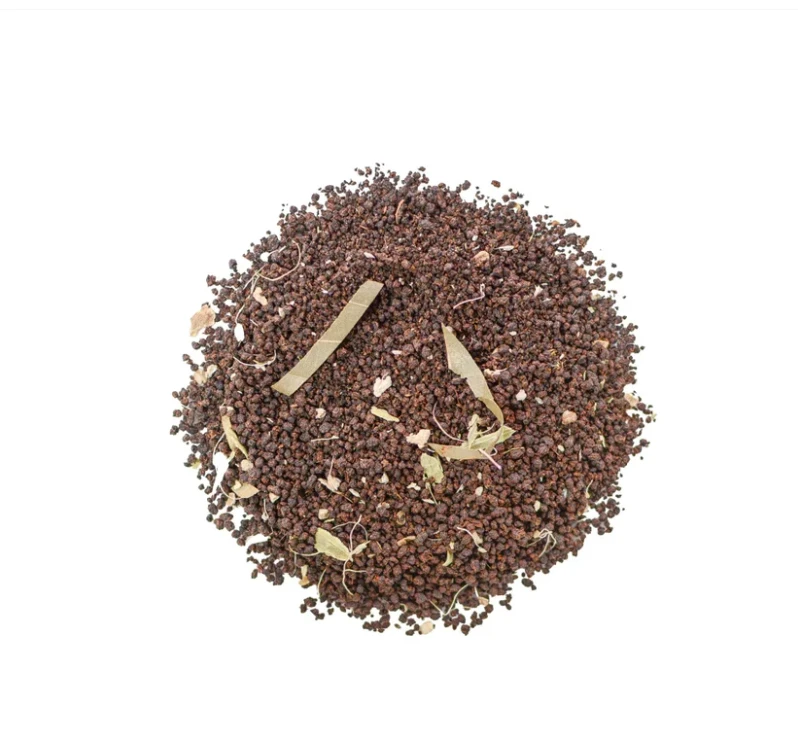
Appearance: Slightly darker leaves, more mature
Color of brew: Deep amber or copper
Flavor profile: Rich, smooth, fruity, with a muscatel (grape-like) note
Body: Medium to full-bodied
The Second Flush comes a few months after the First Flush. By this time, the tea leaves are more mature, and the weather is warmer with more rainfall. This allows the leaves to develop deeper flavors.
What makes Second Flush Darjeeling special is the muscatel flavor. It’s a natural sweetness, almost like ripe grapes or honey, and it’s unique to certain Darjeeling teas harvested during this time. The tea is bolder and smoother than First Flush, making it a favorite among many tea lovers.
Final Thoughts
Darjeeling tea is a beautiful example of how nature, climate, and timing can change the taste of something so simple — a tea leaf. Both Darjeeling first flush and second flush teas offer their own unique experience in a cup. Whether you’re a seasoned tea drinker or just getting started, exploring the flushes of Darjeeling is a journey worth taking.
So next time you’re sipping a hot cup, take a moment to notice the details. That floral aroma or muscatel sweetness is a result of the season — and now, you’ll know the story behind it.
























Sign in to leave a comment.