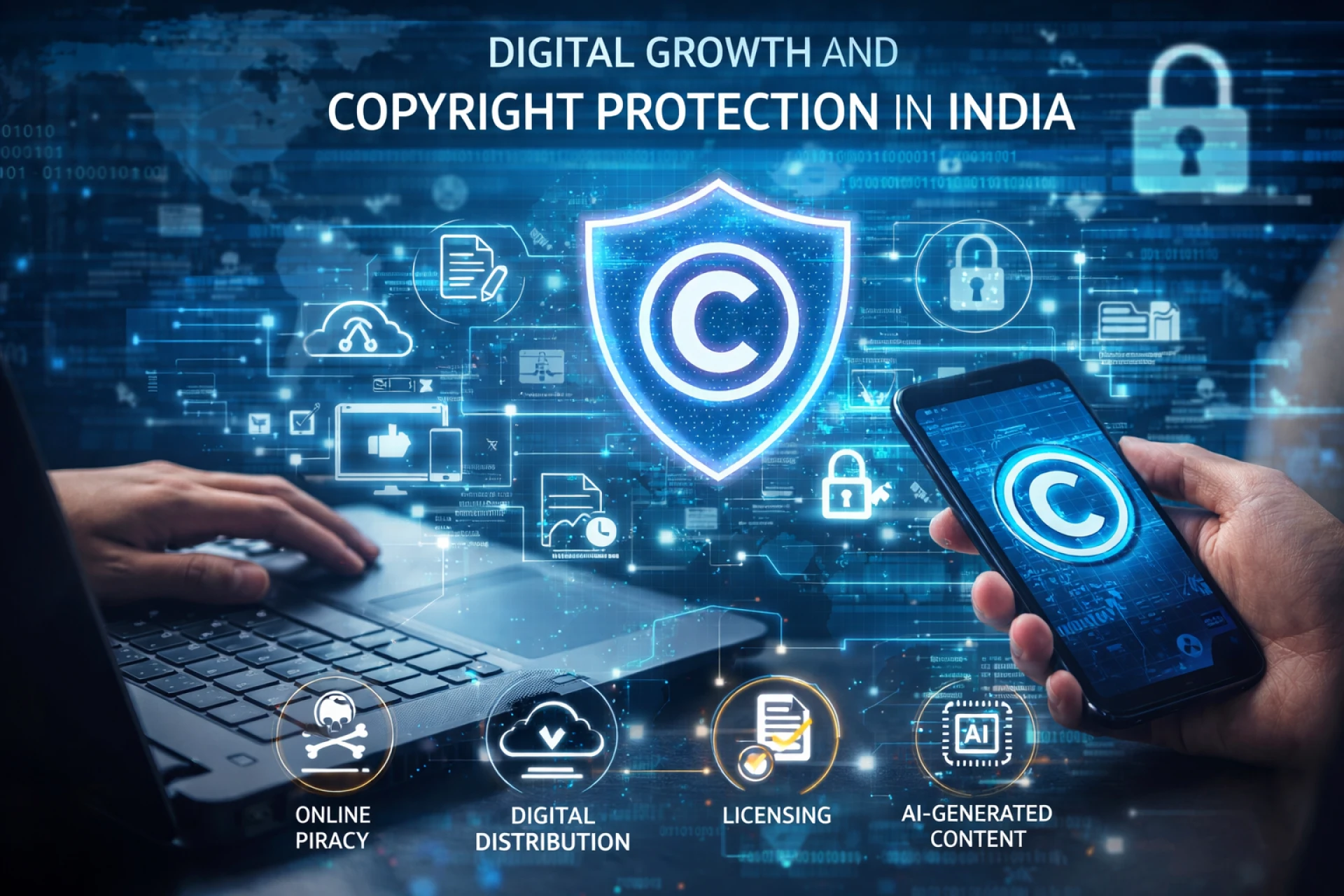

How Digital Growth Is Changing Copyright Protection in India
India’s digital economy has expanded at an unprecedented pace. Online platforms, streaming services, and digital businesses have transformed how content is created and consumed. This rapid growth has reshaped the role of copyright law and brought new challenges for creators and businesses.
Copyright protection, once centred on traditional media, now operates within a complex digital ecosystem. As technology evolves, the legal framework must adapt to ensure effective protection while supporting innovation and access.
The Expansion of Digital Content Creation
Digital growth has democratised content creation. Individuals and businesses can now produce and distribute content with minimal resources.
From social media posts to professional digital productions, the volume of creative output has increased significantly. This expansion has made copyright protection more relevant than ever.
However, increased creation also means increased vulnerability. Content can be copied, shared, and altered within seconds. This has changed how creators approach protection and enforcement.
Shift from Physical to Digital Distribution
Traditional copyright law was designed for physical distribution such as books, films, and music records. Digital platforms have replaced these models with online streaming and instant downloads.
This shift has altered the nature of infringement. Instead of physical duplication, infringement now occurs through digital sharing and unauthorised uploads.
The speed and scale of digital distribution make enforcement more challenging. Legal systems must adapt to address these realities effectively.
Rise of Online Piracy and Unauthorised Sharing
Online piracy remains one of the biggest challenges in the digital era. Films, music, software, and digital publications are frequently shared without permission.
Piracy websites and peer to peer networks enable widespread distribution of infringing content. Even legitimate platforms may host unauthorised material through user uploads.
Courts in India have responded by granting dynamic injunctions to block such platforms. While these measures have improved enforcement, piracy continues to evolve with new technologies.
Role of Intermediaries in Copyright Protection
Digital platforms act as intermediaries between creators and users. Their role has become central to copyright enforcement.
Regulations require intermediaries to remove infringing content upon receiving notice. This notice and takedown system aims to balance rights of creators with freedom of expression.
However, challenges remain. Over removal of content and lack of transparency can affect legitimate users. At the same time, delayed action may harm copyright owners.
Finding the right balance is an ongoing legal challenge.
Changing Nature of Ownership and Authorship
Digital collaboration has made ownership more complex. Content is often created by multiple contributors across different locations.
Freelancers, agencies, and platforms may all be involved in a single project. Without clear agreements, determining ownership becomes difficult.
Businesses must establish clear contracts to define rights and responsibilities. Proper documentation ensures smoother enforcement and reduces disputes.
Influence of Artificial Intelligence on Copyright
Artificial intelligence has introduced new dimensions to copyright law. AI tools can generate text, images, and audio content based on existing data.
This raises questions about originality and ownership. If AI produces content, who owns the rights? Can training data lead to infringement claims?
Indian law is still evolving in this area. Businesses using AI must exercise caution and ensure compliance with existing copyright principles.
Importance of Licensing in the Digital Economy
Licensing has become a key mechanism for managing copyright in the digital age. Businesses rely on licences to use content legally across platforms.
Streaming services, digital marketing, and online publications all depend on licensing agreements. These agreements define scope, duration, and permitted use.
Improper licensing can lead to disputes and financial loss. Clear understanding of terms is essential for compliance and risk management.
Strengthening Enforcement Through Technology
Technology is playing an increasing role in copyright protection. Automated systems can detect unauthorised use of content across digital platforms.
Digital watermarking and content identification tools help track usage and assert ownership. These tools improve efficiency and support enforcement efforts.
However, technology alone is not sufficient. Legal action remains necessary in many cases to protect rights effectively.
Businesses facing infringement issues often seek assistance from a copyright violation lawyer in India to navigate enforcement and litigation.
Integration with Broader Intellectual Property Strategy
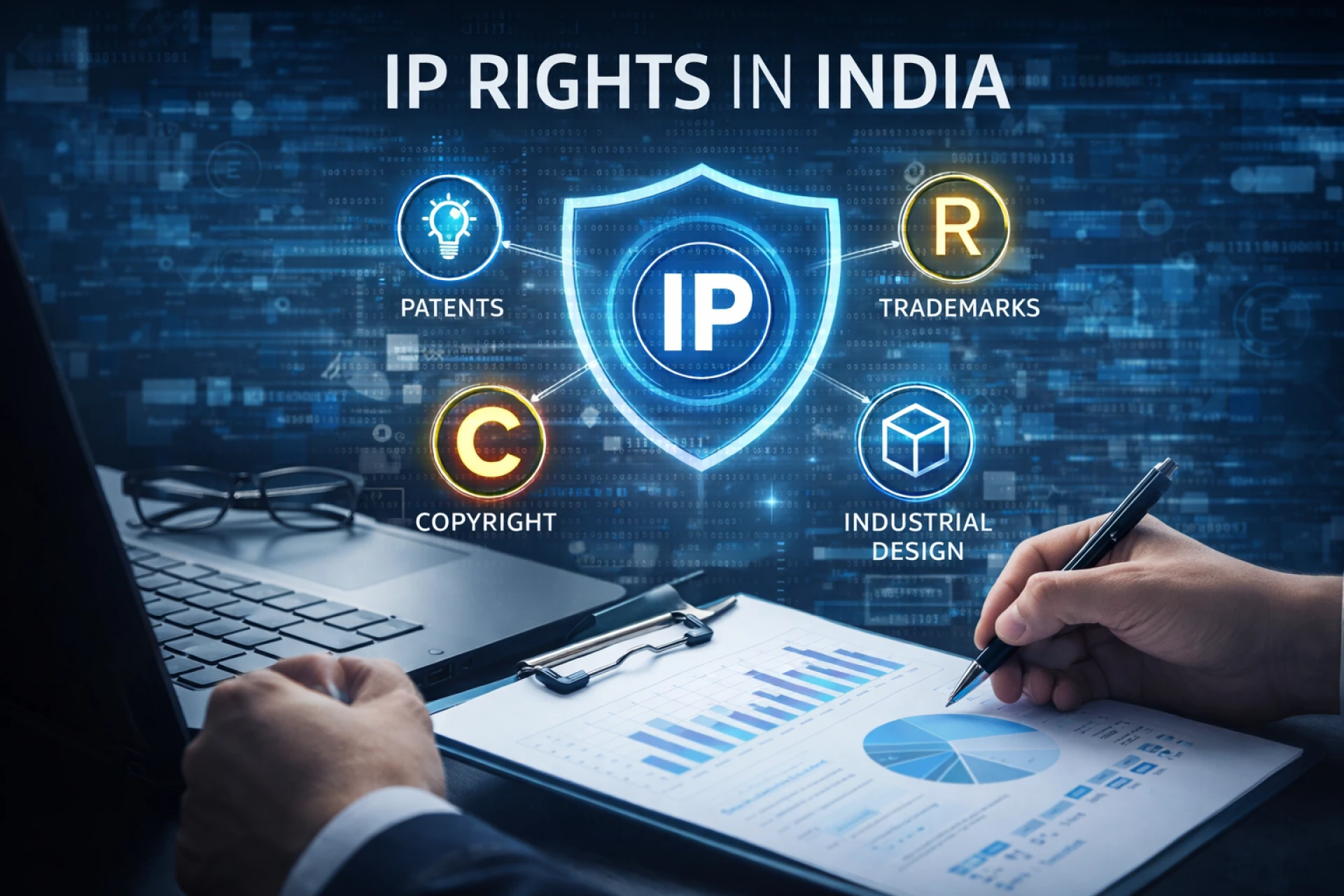
Copyright protection must be integrated with overall intellectual property planning. Businesses often manage multiple forms of intellectual property.
For example, a digital product may involve copyrighted content, trademarked branding, and patented technology. Coordinating these elements ensures comprehensive protection.
Consulting patent consulting firms can help businesses develop a structured approach to intellectual property management and align it with business goals.
Impact of Global Digital Access
Digital growth has removed geographical barriers. Content created in India can reach global audiences instantly.
While this expands opportunities, it also increases exposure to cross border infringement. Enforcing rights in multiple jurisdictions becomes more complex.
International cooperation and treaties provide some support. However, businesses must plan for global protection strategies to safeguard their assets.
Need for Continuous Legal Adaptation
The pace of digital innovation requires continuous legal adaptation. Existing copyright laws must evolve to address new challenges.
Policymakers and courts are increasingly focusing on issues such as online piracy, AI generated content, and platform liability. These developments will shape the future of copyright protection in India.
Businesses must stay informed about legal changes to remain compliant and competitive.
Conclusion
Digital growth has transformed copyright protection in India. While it has created new opportunities for creators and businesses, it has also introduced complex challenges.
The shift to digital distribution, rise of online piracy, and emergence of new technologies have reshaped the legal landscape. Effective protection now requires a combination of legal awareness, technological tools, and strategic planning.
Businesses must adopt a proactive approach to copyright protection. By understanding evolving trends and seeking expert guidance, they can safeguard their creative assets and thrive in a digital driven economy.






























Sign in to leave a comment.