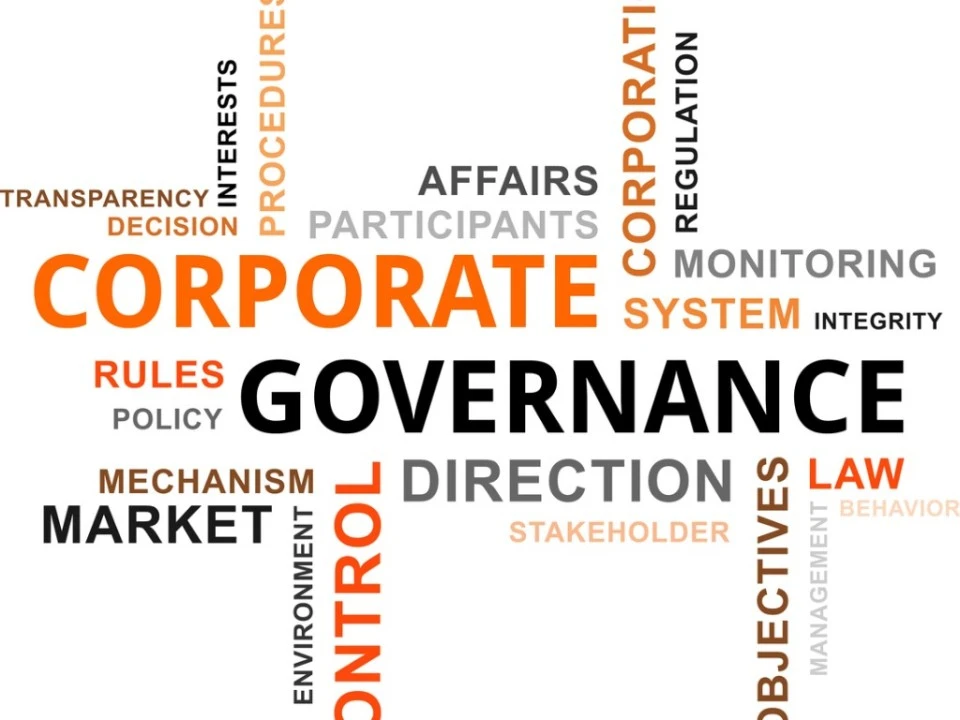

Corporate governance frameworks are designed to promote transparency, accountability, and balanced decision making. Boards, committees, and internal controls exist to prevent misuse of authority. Yet many organisations struggle with governance failures despite having formal structures in place.
One of the most overlooked causes lies in informal power structures. These are influence networks operating outside documented hierarchies. While informal influence can sometimes improve efficiency, unchecked power dynamics often erode governance from within.
Understanding how informal power undermines governance is essential for organisations seeking long term stability and regulatory credibility.
What Are Informal Power Structures
Informal power structures emerge when authority flows through personal influence rather than formal roles. These structures often centre around founders, dominant executives, family members, or long standing insiders.
Such power may not appear on organisational charts. It manifests through decision control, access to information, or influence over appointments and approvals.
Unlike formal authority, informal power lacks accountability. This makes it difficult to regulate and easy to misuse.
Why Informal Power Develops in Corporations
Several factors contribute to the rise of informal power within organisations.
Founder Centric Cultures
In founder led companies, personal authority often outweighs institutional governance. Founders may continue to dominate decisions even after stepping back from executive roles.
This dominance discourages dissent and weakens board independence. Over time, governance becomes symbolic rather than functional.
Weak Board Independence
Boards lacking independence often defer to influential individuals. Directors may hesitate to challenge decisions driven by informal authority.
When boards fail to assert oversight, informal power flourishes unchecked.
Concentration of Information
Control over information is a powerful tool. Individuals who manage key data flows gain disproportionate influence.
Selective sharing of information limits effective oversight and distorts decision making.
Impact on Board Effectiveness
Informal power structures directly weaken board performance.
Boards rely on accurate information and open debate. Informal influence suppresses both. Decisions are often pre determined outside formal meetings.
This reduces the board to a rubber stamp. Such practices increase legal exposure and undermine fiduciary responsibilities.
From a corporate law perspective, boards must act independently. Failure to do so may attract regulatory scrutiny and shareholder action.
Erosion of Accountability
Accountability depends on clear authority and responsibility. Informal power blurs these lines.
When decisions are driven by unofficial actors, it becomes difficult to assign responsibility. This complicates internal investigations and external audits.
Regulators increasingly assess whether governance failures stem from systemic issues rather than isolated errors. Informal power structures often emerge as root causes.
Legal advisors frequently encounter such patterns when reviewing governance breakdowns with best corporate lawyers in Delhi, India guiding corrective measures during enforcement actions.
Compliance and Regulatory Risks
Informal power poses serious compliance risks.
Policies and controls exist on paper, but enforcement depends on leadership behaviour. When influential individuals bypass controls, compliance becomes selective.
Employees receive conflicting signals. Formal rules lose credibility when exceptions appear routine.
This culture increases the likelihood of regulatory violations. Whistleblowers often emerge from environments where informal authority overrides compliance norms.
Financial Reporting and Disclosure Concerns
Informal influence can affect financial integrity. Pressure to meet targets may lead to aggressive accounting or selective disclosures.
When finance teams answer to informal authority rather than governance protocols, transparency suffers.
Auditors and regulators view such environments as high risk. Disclosure failures often trace back to hidden decision makers influencing outcomes behind the scenes.
Shareholder Rights and Minority Protection
Corporate governance aims to protect all shareholders. Informal power often benefits controlling groups at the expense of minority interests.
Related party transactions, preferential approvals, and strategic decisions may favour insiders. These actions expose companies to legal challenges and reputational harm.
Minority shareholders increasingly pursue remedies through courts and tribunals. Informal power structures frequently form the basis of oppression and mismanagement claims.
Organisational Culture and Ethical Decline
Culture reflects leadership behaviour. When informal power dominates, ethical standards erode.
Employees learn to navigate influence rather than follow process. Merit based decision making gives way to loyalty based advancement.
Over time, this culture discourages reporting of misconduct. Silence becomes a survival strategy.
Corporate law increasingly recognises culture as a governance indicator. Regulators assess whether leadership conduct promotes ethical compliance or informal dominance.
Risk to Succession Planning
Informal power obstructs succession planning. Organisations become dependent on individuals rather than systems.
Leadership transitions become unstable. Successors lack authority without informal endorsement.
This creates continuity risks and investor concern. Strong governance requires institutional resilience rather than personality driven control.
Legal Consequences of Ignoring Informal Power
Ignoring informal power exposes companies to multiple legal risks.
These include breach of directors duties, failure of oversight, misleading disclosures, and unfair treatment of stakeholders.
Courts increasingly examine substance over form. Formal compliance does not excuse governance failures driven by informal control.
Companies often seek guidance from an experienced law firm in Delhi when informal authority leads to litigation or regulatory action. Early intervention helps restore governance discipline and limit liability.
Strategies to Address Informal Power Structures
Mitigating informal power requires deliberate action.
Strengthening Board Independence
Independent directors must exercise genuine oversight. Regular executive sessions without management present encourage open discussion.
Boards should evaluate influence dynamics as part of governance reviews.
Enhancing Transparency
Clear documentation of decisions and rationale reduces hidden influence. Information access must be equitable and timely.
Audit committees play a critical role in monitoring information flows.
Empowering Compliance Functions
Compliance teams need authority and protection. Direct reporting lines to the board strengthen independence.
Whistleblower mechanisms must be credible and trusted.
Leadership Accountability
Performance evaluations should include governance behaviour. Leaders must model adherence to formal processes.
Tolerance for informal dominance signals weak governance.
Conclusion
Informal power structures undermine corporate governance by eroding accountability, transparency, and fairness. They thrive in environments where oversight is weak and authority is personalised.
Corporate governance cannot succeed through frameworks alone. It requires vigilance, cultural discipline, and leadership commitment.
Organisations that address informal power strengthen trust among regulators, investors, and employees. They move from personality driven control to institutional integrity.
In an era of heightened scrutiny, recognising and dismantling informal power is no longer optional. It is a legal and strategic necessity for sustainable corporate governance.





























Sign in to leave a comment.