

India’s regulatory landscape has undergone steady transformation over the past decade. Legal reforms, digitisation of compliance systems and stronger enforcement have changed how businesses are structured and managed. Entrepreneurs no longer select a legal form based only on convenience or tax perception. Structuring decisions now reflect governance standards, investor expectations and sector specific rules.
In 2026, regulatory reform is not merely influencing business operations. It is reshaping the very foundation of enterprise structuring in India.
The Shift Towards Structured Corporate Governance
The Companies Act introduced stricter disclosure norms, board responsibilities and compliance obligations. Directors now carry greater accountability. Annual filings, maintenance of statutory registers and financial transparency are closely monitored by the Ministry of Corporate Affairs.
These reforms have encouraged founders to adopt structured corporate governance from the outset. Informal business practices are giving way to documented board resolutions, shareholder agreements and internal controls.
Private limited companies remain popular due to limited liability and clear governance frameworks. However, compliance obligations attached to this structure are significant. Entrepreneurs weigh these requirements carefully before incorporation.
The emphasis on governance has also strengthened investor confidence. Venture capital and private equity firms prefer entities with transparent structures and documented compliance history.
Digital Transformation of Regulatory Processes
India’s regulatory bodies have embraced digital systems. Company registration, tax filing and regulatory approvals are largely conducted online. This transition has reduced delays and increased traceability.
Faceless assessments under income tax laws have improved transparency. Goods and Services Tax filings are integrated across states. Real time tracking of corporate compliance has become possible.
Digitisation has simplified administrative processes. At the same time, it has increased accountability. Non compliance is easier to detect.
Entrepreneurs now plan structuring decisions with digital compliance in mind. Early registration, systematic documentation and proper record keeping are essential.
Businesses exploring setting up of business in india must evaluate regulatory registrations, sector approvals and reporting requirements at the planning stage rather than post incorporation.
Impact of Insolvency and Creditor Protection Reforms
The Insolvency and Bankruptcy Code has significantly altered risk assessment for promoters and lenders. The framework offers time bound resolution of distressed companies. Creditors enjoy stronger protection.
This reform has influenced business structuring in two key ways. First, promoters are cautious about over leveraging ventures. Second, lenders prefer entities with clear asset ownership and corporate documentation.
Limited liability structures offer protection to shareholders. However, wrongful conduct can expose directors to liability. This has encouraged responsible management practices.
The insolvency regime has enhanced trust in India’s commercial environment. Investors view it as a sign of regulatory maturity.
Foreign Investment Liberalisation and Structuring Choices
Foreign direct investment policies have gradually liberalised across sectors. Automatic route approvals apply in many industries. However, sector specific caps and compliance rules continue to exist.
Cross border investment involves adherence to foreign exchange regulations administered by the Reserve Bank of India. Reporting requirements for share allotment and transfer are strict.
Startups receiving foreign capital must structure shareholding carefully. Share classes, voting rights and exit mechanisms require legal precision.
Cities such as Mumbai and Bengaluru have become focal points for foreign investment. Professional advisory services in these hubs guide founders through complex structuring considerations.
Regulatory clarity has improved investor confidence. At the same time, it has made compliance discipline non negotiable.
Tax Reforms and Their Influence on Entity Selection
The introduction of Goods and Services Tax unified indirect taxation across India. Corporate tax rates have been rationalised, particularly for new manufacturing entities.
Transfer pricing rules apply to cross border transactions between related parties. General anti avoidance rules require genuine commercial substance in structuring decisions.

Tax authorities rely on digital analytics to detect irregularities. Aggressive tax planning carries significant risk.
As a result, entrepreneurs are adopting simpler and more transparent entity structures. The focus is on long term sustainability rather than short term tax advantage.
Professional advice during india company incorporation often includes tax modelling to assess future compliance costs and reporting obligations.
Labour Law Consolidation and Employment Structuring
India has consolidated multiple labour statutes into new labour codes. Although implementation varies across states, employers must prepare for structured compliance.
Employment contracts, social security contributions and workplace safety obligations influence organisational structure. Businesses with large workforce requirements must plan human resource systems carefully.
Misclassification of workers as independent contractors can lead to disputes and penalties. Startups in technology and gig sectors are particularly affected.
Compliance driven structuring ensures employment frameworks align with statutory expectations. This reduces litigation risk and enhances operational stability.
Data Protection and Digital Compliance
The expansion of digital commerce has brought data protection to the forefront. Businesses handling personal data must adopt secure systems and transparent privacy policies.
Fintech companies operate under supervision of the Reserve Bank of India. Consumer facing platforms must comply with consumer protection regulations.
Data governance considerations now influence structural decisions. Companies may establish separate entities for regulated activities to manage risk.
Entrepreneurs in technology hubs such as Hyderabad are increasingly aware of digital compliance obligations. Structuring models reflect regulatory oversight requirements.
Environmental and Sustainability Regulations
Environmental compliance has become a key factor in business planning. Manufacturing entities require clearances under environmental laws. Renewable energy and sustainability norms influence operational models.
Global investors assess environmental and social governance standards before committing capital. Transparent reporting on sustainability practices enhances credibility.
Business structures often incorporate compliance committees and internal audit mechanisms to monitor environmental obligations.
Regulatory reforms in this area continue to evolve. Forward looking enterprises integrate sustainability governance into core structure.
Rise of Alternative Business Structures
Limited liability partnerships and one person companies have gained popularity among small enterprises and professionals. These structures offer flexibility with reduced compliance compared to larger corporate forms.
However, regulatory reforms have ensured basic transparency across all entity types. Annual filings and disclosure norms apply, albeit at varying levels.
Entrepreneurs now select entity forms after assessing capital requirements, liability exposure and regulatory burden. Structuring is viewed as a strategic decision rather than a mere formality.
Professional guidance plays a vital role in evaluating these options.
Enhanced Enforcement and Accountability
Regulatory authorities have strengthened enforcement mechanisms. Penalties for non filing and misreporting are significant. Directors may face disqualification for persistent default.
This enforcement environment discourages informal practices. Compliance culture is becoming embedded in corporate behaviour.
Reforms have also improved dispute resolution systems. Commercial courts and arbitration frameworks support efficient contract enforcement.
Businesses structured with proper governance systems are better equipped to handle regulatory scrutiny.
The Strategic Importance of Early Legal Planning
Modern entrepreneurship in India begins with legal planning. Founders consider funding strategy, exit options, taxation and compliance before choosing a structure.
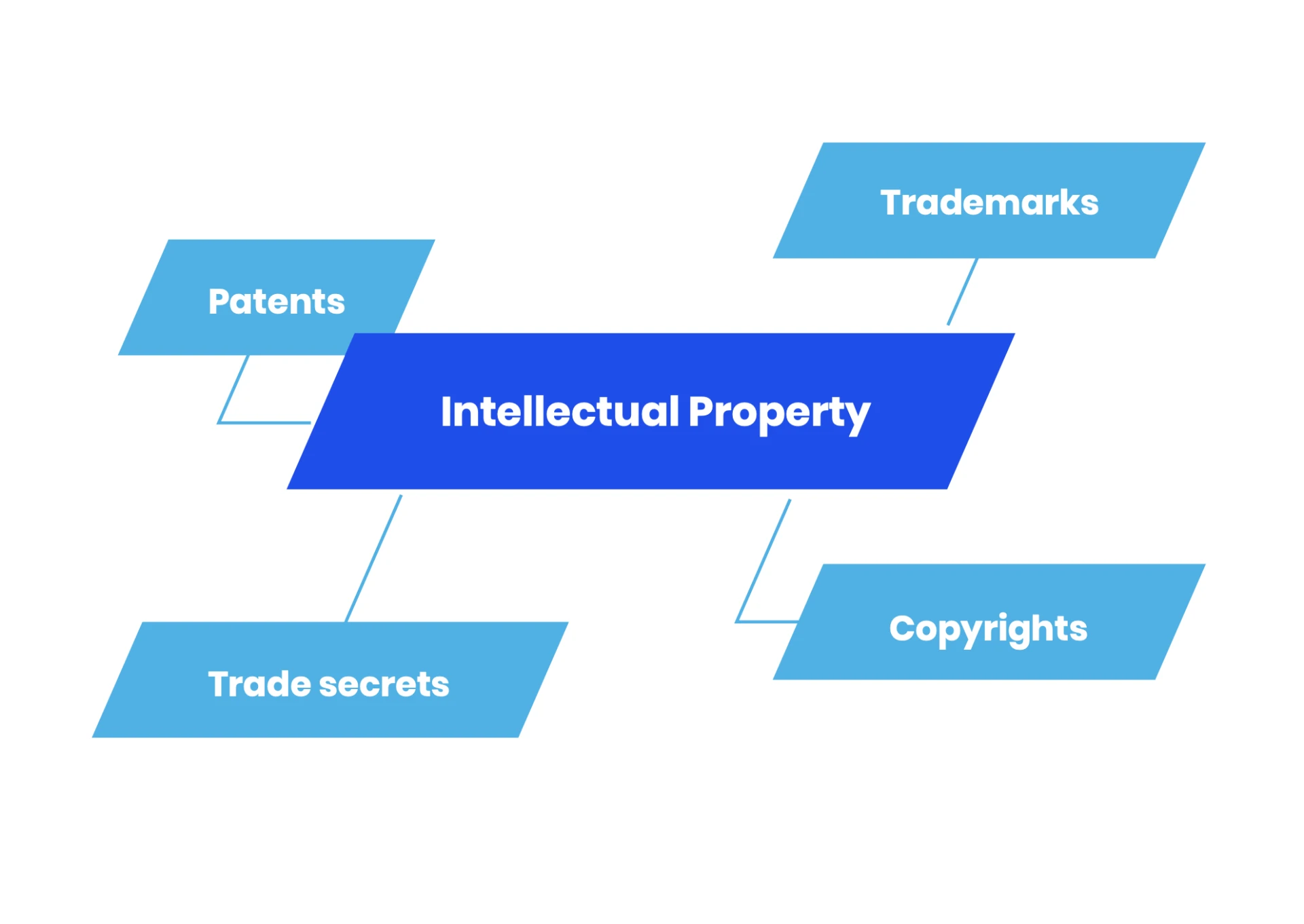
Clear documentation of shareholder rights prevents future conflict. Intellectual property registration protects innovation. Regulatory approvals are mapped at the outset.
Early planning reduces restructuring costs later. It also enhances investor confidence during funding rounds.
The era of informal incorporation has largely passed. Regulatory reforms have raised the bar for corporate discipline.
Conclusion
Regulatory reforms are fundamentally reshaping business structuring in India. Governance standards have strengthened. Digital systems have increased transparency. Insolvency and tax reforms have improved commercial certainty.
Entrepreneurs now approach structuring with greater awareness and caution. Compliance is integrated into strategic planning rather than treated as an afterthought.
This transformation supports sustainable growth and global credibility. Businesses built on clear legal foundations are more resilient in a competitive and regulated environment.
As India continues to modernise its regulatory framework, structured and compliant enterprises will lead the next phase of economic expansion.





























Sign in to leave a comment.