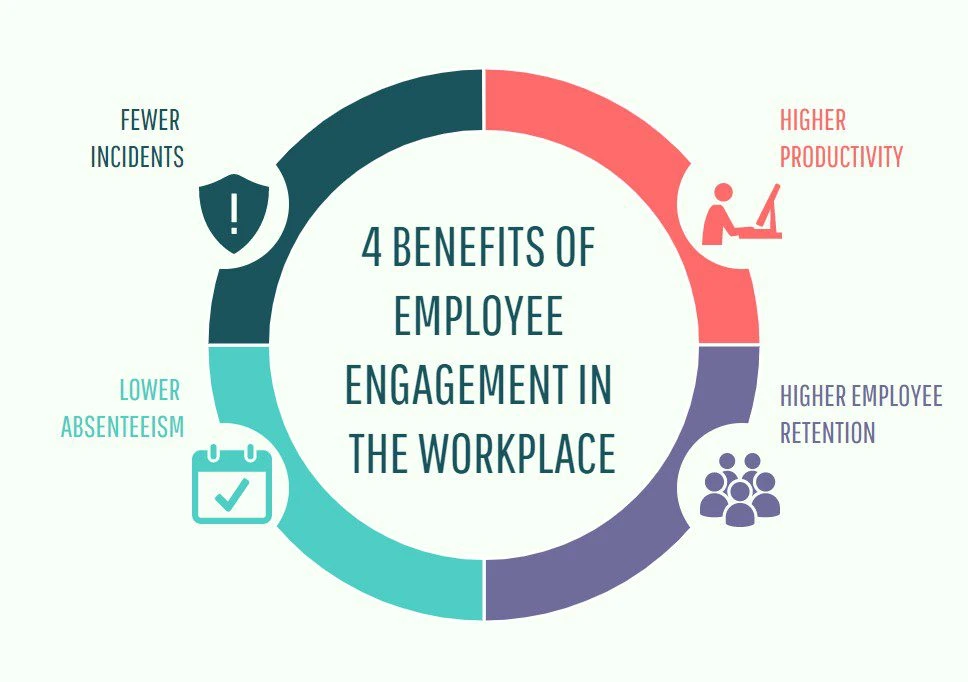

Employee retention has become one of the most pressing concerns for organisations across sectors. Competitive pay alone no longer secures loyalty. People stay where they feel safe, respected, and valued. Workplace safety, both physical and psychological, plays a decisive role in shaping this experience.
A safe work environment builds trust. Trust strengthens commitment. Commitment reduces attrition. This article explores how workplace safety influences employee retention and why organisations must view safety as a strategic priority rather than a compliance task.
Understanding workplace safety beyond physical risks
Workplace safety often brings to mind fire exits, protective equipment, and accident prevention. These elements remain essential. Yet modern workplaces demand a broader lens.
Psychological safety, dignity, and freedom from harassment now sit at the centre of safety conversations. Employees assess whether they can speak openly, report concerns, and work without fear of humiliation or retaliation.
When safety is limited to physical measures, retention suffers. When safety includes respect and fairness, loyalty grows.
Why employees leave unsafe workplaces
Attrition rarely happens overnight. It begins with discomfort. Subtle signals such as inappropriate remarks, ignored complaints, or inconsistent policies erode confidence.
Employees who feel unsafe disengage first. Productivity declines. Absenteeism rises. Eventually, resignation follows. High performers often exit early since they have options.
Replacing talent costs far more than retaining it. Recruitment, training, and lost institutional knowledge create long term damage. Unsafe workplaces pay this price repeatedly.
Psychological safety as a retention driver
Psychological safety allows employees to express ideas, raise concerns, and admit mistakes without fear. This environment supports learning and innovation.
Teams with strong psychological safety show higher engagement. Members support one another. Managers listen actively. Conflicts are resolved constructively.
Retention improves when employees feel heard. Silence, by contrast, signals danger. Organisations that ignore psychological safety risk losing trust and talent.
The role of trust in long term employment
Trust forms the foundation of retention. Employees trust employers who act consistently, investigate concerns fairly, and protect confidentiality.
When safety policies exist only on paper, trust collapses. When policies guide action, trust strengthens. Employees observe responses to incidents more closely than policy language.
A transparent and fair approach reassures teams. It tells them the organisation values people over hierarchy. This assurance encourages long term association.
Workplace safety and organisational culture
Culture reflects daily behaviour, not vision statements. Safety shapes culture in visible ways.
Safe workplaces discourage bullying and exclusion. They promote collaboration. They allow diversity to thrive. Employees feel comfortable bringing their whole selves to work.
Unsafe cultures normalise silence. Gossip replaces communication. Fear undermines morale. Retention becomes a challenge regardless of incentives.
Strong safety practices create cultures where people choose to stay.
Legal compliance as a retention tool
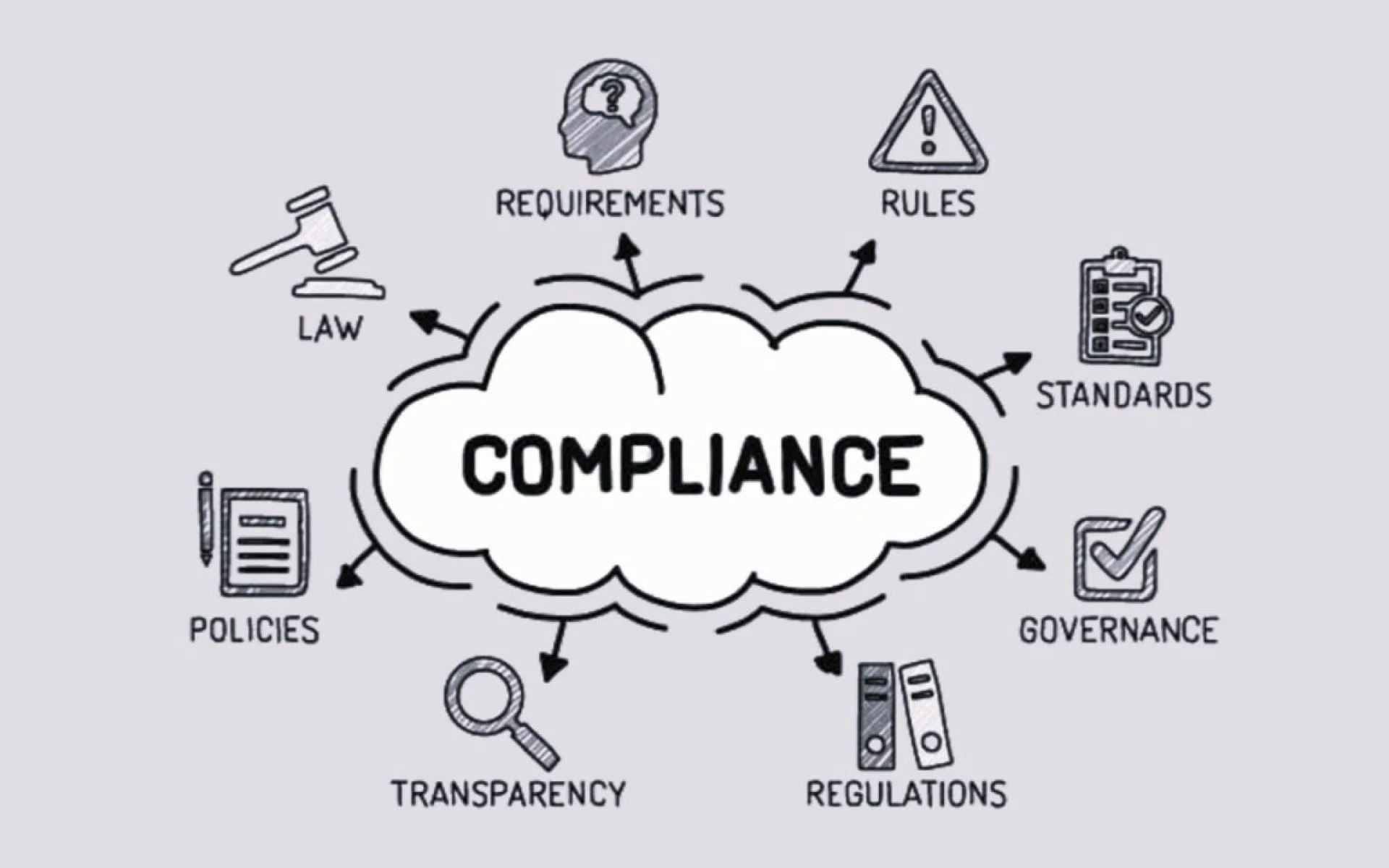
Legal frameworks such as the Prevention of Sexual Harassment of Women at Workplace Act 2013 set minimum standards. Compliance alone does not guarantee retention. Poor compliance almost always damages it.
Employees notice whether complaint mechanisms work in practice. They watch how committees function and how outcomes are handled.
Meaningful initiatives such as PoSH Awareness Training for Employees help translate legal obligations into daily conduct. Training clarifies boundaries and responsibilities. It empowers employees to act responsibly and report concerns early.
Such initiatives reduce fear and confusion. They support safer environments where retention becomes a natural outcome.
Manager behaviour influences safety perceptions
Employees experience safety through their managers. A supportive manager strengthens confidence. A dismissive one destroys it.
Managers who take complaints seriously, respect confidentiality, and follow process reinforce trust. Those who minimise concerns or protect favourites weaken morale.
Training managers on safety responsibilities proves crucial. It aligns leadership behaviour with organisational values. Retention improves when employees feel protected by their immediate supervisors.
The cost of ignoring safety signals
Warning signs often appear before attrition spikes. Increased sick leave, reduced participation, and informal complaints signal deeper issues.
Organisations that ignore these signs face sudden exits. Exit interviews reveal patterns too late. Reputation suffers as former employees share experiences.
Proactive safety measures help detect and address concerns early. This approach preserves talent and protects employer brand.
Safety and diversity retention
Diverse workforces need inclusive safety frameworks. Women, minorities, and junior staff often face higher vulnerability.
When safety systems fail, marginalised groups leave first. Diversity goals collapse. Homogeneity increases, limiting innovation.
Inclusive safety practices support diverse retention. Clear reporting channels, unbiased investigations, and respectful training encourage underrepresented employees to stay and grow.
External training and local relevance
Safety initiatives work best when tailored to regional and organisational realities. External experts often help bridge this gap.
Location specific programmes address cultural nuances and workforce composition. Regular Posh Training in Gurgaon and similar hubs ensures consistent standards across offices.
Employees value organisations that invest in relevant training rather than generic sessions. This investment signals seriousness and care, both critical for retention.
Measuring retention through safety metrics
Retention strategies often focus on compensation and career paths. Safety metrics deserve equal attention.
Organisations can track complaint resolution timelines, training participation, and employee feedback. These indicators reveal safety health.
Linking safety outcomes with retention data offers insight. Patterns emerge. Leaders can intervene early. Data driven safety management strengthens retention planning.
Leadership commitment sustains safe workplaces
Safety initiatives fail without leadership support. Employees notice whether senior leaders prioritise safety or treat it as a formality.
Visible commitment includes regular communication, resource allocation, and respect for independent processes. Leaders who model respectful behaviour reinforce standards.
Retention improves when leadership demonstrates care consistently. Words matter less than actions.
Conclusion
Workplace safety and employee retention share a direct and powerful link. Safe environments foster trust, engagement, and loyalty. Unsafe ones drive attrition, damage culture, and erode reputation.
Organisations that view safety as a strategic investment reap long term benefits. They retain talent, strengthen culture, and build resilient teams.
In an evolving work landscape, employees choose workplaces where dignity and security come first. Safety is no longer optional. It is central to retention and sustainable success.






























Sign in to leave a comment.