




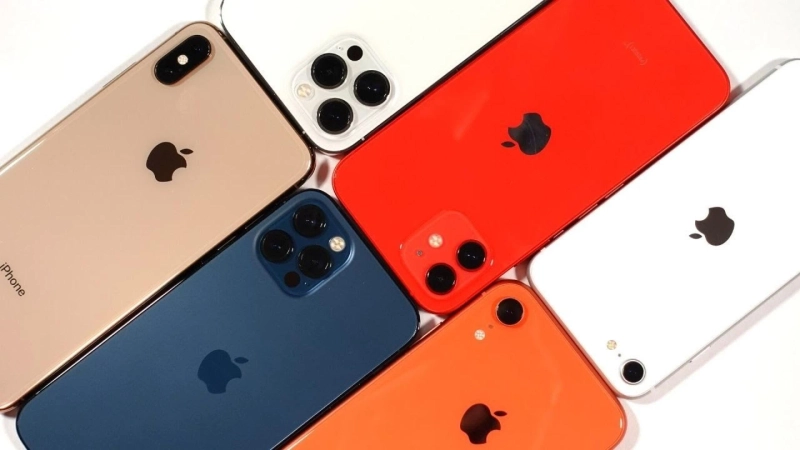
Since its launch in 2007, the iPhone has been one of the most popular smartphones in the world. The latest model, the iPhone 13, was released in 2021 and has brought many new features and upgrades.
However, as with any product, owning an iPhone has both advantages and disadvantages. In this article, we will look at 10 pros and cons of the iPhone in 2023.
Pros:
1. High-quality camera:
The iPhone has always been known for its excellent camera quality, and the latest models continue to improve.
The iPhone 13, for example, has a triple-camera setup that includes a 12-megapixel ultra-wide lens, a 12-megapixel wide lens, and a 12-megapixel telephoto lens.
Additionally, it features advanced computational photography and enhanced Night mode for capturing great photos even in low-light conditions.
2. Strong security:
Apple is known for its robust security features; the iPhone is no exception. iPhones are designed to protect users' data and privacy, and they come with features such as Face ID, Touch ID, and passcodes to prevent unauthorized access to the device.
3. User-friendly interface:
The iPhone's operating system, iOS, is known for its simplicity and user-friendly interface.
The latest version of iOS, iOS 15, includes features such as Focus mode, Live Text, and redesigned notifications, making it easier for users to navigate and use their devices.
4. Seamless integration with other Apple devices:
If you own other Apple devices, such as a Mac or an iPad, the iPhone's integration with these devices can be a significant advantage. Features like AirDrop, Continuity, and Handoff allow users to seamlessly transfer files and tasks between devices.
5. Access to the App Store:
The iPhone's App Store is one of the world's largest and most comprehensive app marketplaces. With millions of apps available for download, users can find apps for almost any purpose, from productivity tools to entertainment.
Cons:
1. High cost:
One of the most significant disadvantages of the iPhone is its high cost. The latest models can cost upwards of $1,000, making them unaffordable.
2. Limited customization options:
Unlike some Android devices, iPhones offer limited customization options. Users cannot install custom themes, icon packs, or widgets; the iOS interface remains the same across all devices.
3. Limited storage options:
Although iPhones have various storage options, they do not offer expandable storage. This means that users may need to pay more for a higher storage capacity device or constantly manage their storage to avoid running out of space.
4. Limited battery life:
The iPhone's battery life has been a point of contention for many users, with some models offering less battery life than their Android counterparts. While the latest models have improved in this regard, heavy usage can still drain the battery quickly.
5. Limited file transfer options:
Unlike some Android devices, iPhones do not offer a built-in file manager or support for external storage devices. This can make it difficult for users to transfer files between devices or manage their files on the device.
What Is Better About An iPhone Than An Android?
The choice between an iPhone and an Android device primarily comes down to personal preference, as both have their strengths and weaknesses. However, several factors might make an iPhone a better choice for some users.
1. Integration with Apple Ecosystem:
One of the main advantages of an iPhone is its seamless integration with other Apple devices and services.
If you own a Mac or an iPad, you can use features such as Handoff and Continuity to quickly transfer tasks between devices. Additionally, if you use iCloud, Apple Music, or Apple TV+, an iPhone can offer a more integrated experience than an Android device.
2. Strong Security:
Apple is known for its robust security features, and iPhones are no exception. iPhones come with features such as Face ID, Touch ID, and passcodes to prevent unauthorized access to the device.
Apple's closed ecosystem also means iPhones are less susceptible to malware and other security threats than Android devices.
3. User-Friendly Interface:
The iPhone's operating system, iOS, is known for its simplicity and user-friendly interface. The latest versions of iOS include features such as Focus mode, Live Text, and redesigned notifications, making it easier for users to navigate and use their devices.
4. High-Quality Camera:
iPhones have always been known for their excellent camera quality, and the latest models continue to improve.
The iPhone 13, for example, has a triple-camera setup that includes a 12-megapixel ultra-wide lens, a 12-megapixel wide lens, and a 12-megapixel telephoto lens.
Additionally, it features advanced computational photography and enhanced Night mode for capturing great photos even in low-light conditions.
5. Consistent Software Updates:
Apple releases software updates for iPhones regularly, which can help improve the device's performance, stability, and security.
Additionally, Apple provides software updates for older devices, which means that even older iPhones can receive new features and improvements.
6. Better App Quality Control:
The App Store for iPhones is known for its strict quality control policies, which help ensure that apps are safe, reliable, and perform well on the device.
This means that users are less likely to encounter buggy or poorly designed apps on their iPhones than they might on an Android device.
7. Lower Risk of Bloatware:
Bloatware refers to pre-installed apps that come with a device and cannot be removed by the user.
While some Android devices come with a significant amount of bloatware, iPhones have a limited number of pre-installed apps, meaning users can customize their devices to better suit their needs.
Conclusion
The choice between an iPhone and an Android device largely depends on the user's needs and preferences.
While an iPhone may offer some advantages over an Android device, there are also many benefits to choosing an Android device, such as more incredible customization options and a more comprehensive range of device choices.
Ultimately, it is essential for users to carefully consider their options and choose a device that best meets their needs.