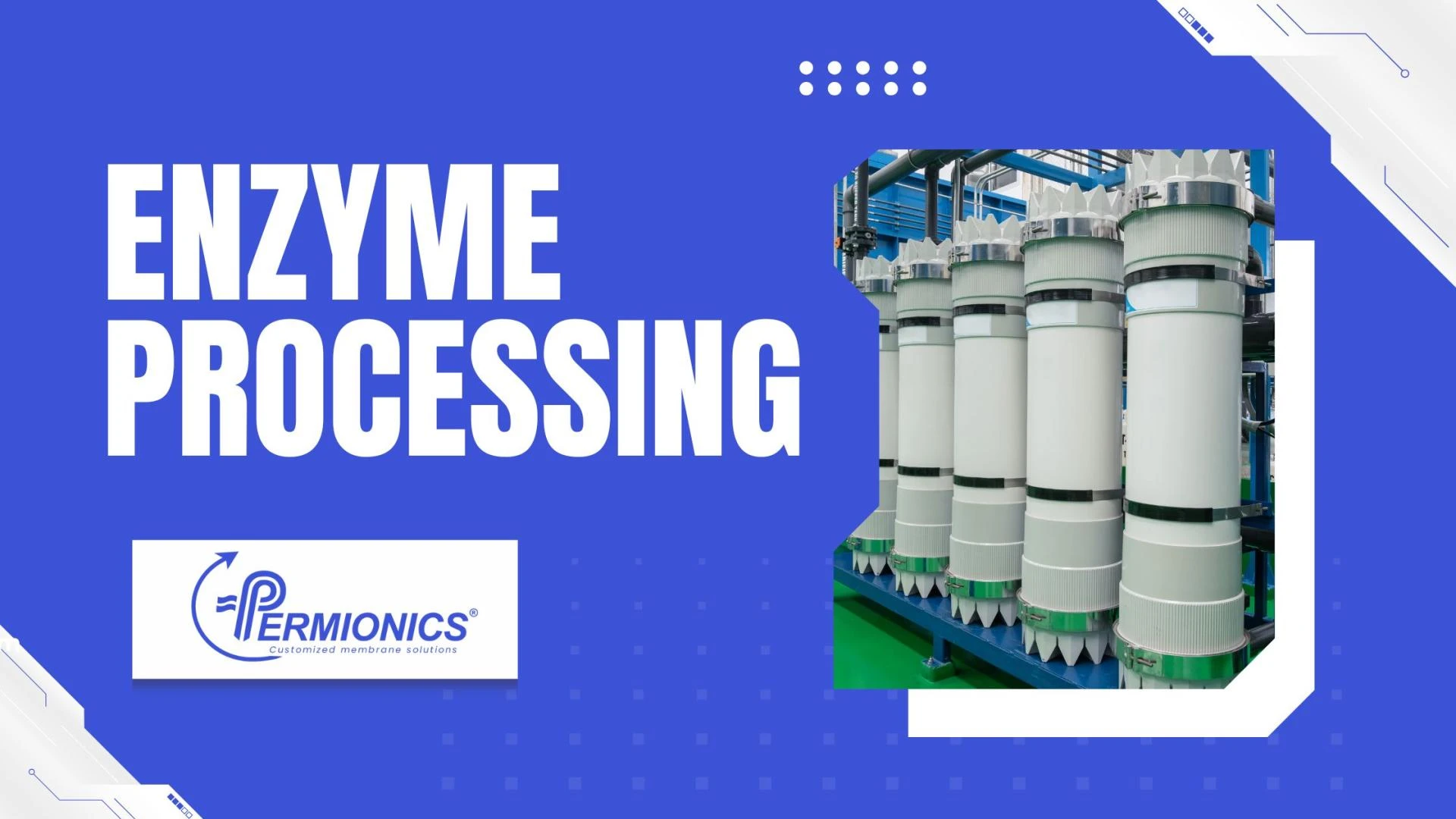

Enzyme processing plays a crucial role in industries like food production, pharmaceuticals, biofuels, and even wastewater treatment. These tiny biological catalysts help speed up chemical reactions, making processes more efficient and eco-friendly. But while enzyme processing offers many advantages, it also comes with its fair share of challenges. If not addressed properly, these hurdles can slow down production, increase costs, and impact overall efficiency.
In this article, we'll explore four key challenges in enzyme processing and practical solutions to overcome them.
1. Keeping Enzymes Stable and Active
One of the biggest struggles with enzyme processing is keeping enzymes stable and active under different working conditions. Enzymes are sensitive to heat, pH changes, and certain chemicals, which can cause them to break down or lose efficiency.
How to Solve It:
- Genetic Engineering: Scientists can tweak enzymes at the molecular level to make them more resistant to extreme temperatures and pH levels.
- Immobilization Techniques: Binding enzymes to solid supports can make them last longer, reduce degradation, and even allow for reuse in industrial processes.
- Proper Storage: Keeping enzymes in cool, dry conditions and using stabilizers can help maintain their effectiveness for longer periods.
2. High Production Costs
Producing enzymes, especially at an industrial scale, isn’t cheap. Factors like raw materials, fermentation, purification, and formulation all add up, making enzyme processing an expensive affair.
How to Solve It:
- Use Affordable Raw Materials: Using agricultural waste or byproducts as substrates can lower costs while maintaining efficiency.
- Optimize the Production Process: Adjusting factors like pH levels, aeration, and fermentation conditions can boost enzyme yields and cut expenses.
- Recycle and Reuse: Immobilized enzymes or enzyme recovery techniques can reduce waste and keep production costs down.
3. Scaling Up from Lab to Industry
What works in the lab doesn’t always translate seamlessly to large-scale production. Enzyme activity can vary, fermentation processes can be inconsistent, and specialized equipment may be required to scale up effectively.
How to Solve It:
- Start with Pilot Testing: Running small-scale pilot tests helps identify potential roadblocks before full-scale production begins.
- Invest in Advanced Bioreactors: High-tech bioreactors with better control over environmental conditions can improve scalability and efficiency.
- Leverage Automation and AI: Smart technology can fine-tune production processes, ensuring consistency and higher enzyme yields.
4. Enzyme Inhibition and Contamination
Sometimes, enzymes don’t perform as expected due to unwanted interactions with other substances in the reaction mixture. Contaminants like metal ions, inhibitors, or even microbes can mess with enzyme activity, leading to inefficiencies.
How to Solve It:
- Use Protective Additives: Adding stabilizers or cofactors can shield enzymes from harmful interactions and improve performance.
- Monitor for Contaminants: Regular quality checks, including microbial testing, can prevent contamination before it becomes a problem.
- Engineer More Resilient Enzymes: Modifying enzymes to resist inhibitors and contaminants can enhance reliability in industrial settings.
Conclusion
Enzyme processing has the potential to revolutionize industries, but overcoming these challenges is key to maximizing its benefits. By improving enzyme stability, reducing production costs, ensuring smooth scalability, and preventing contamination, businesses can unlock the full power of enzyme-based solutions. With ongoing research and technological advancements, enzyme processing is set to become even more efficient, sustainable, and cost-effective in the years to come.























Sign in to leave a comment.