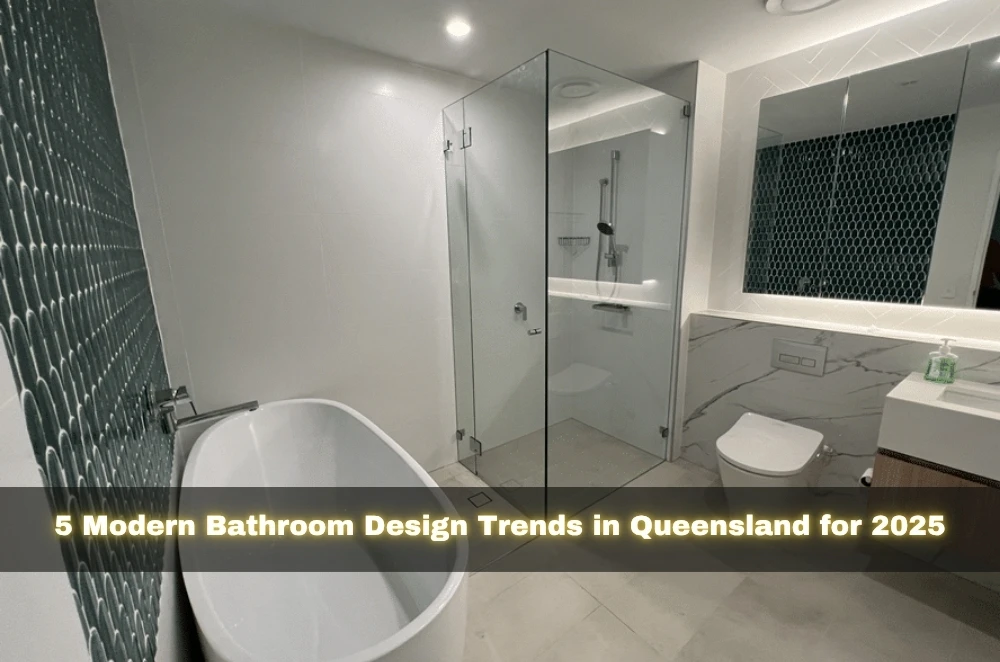

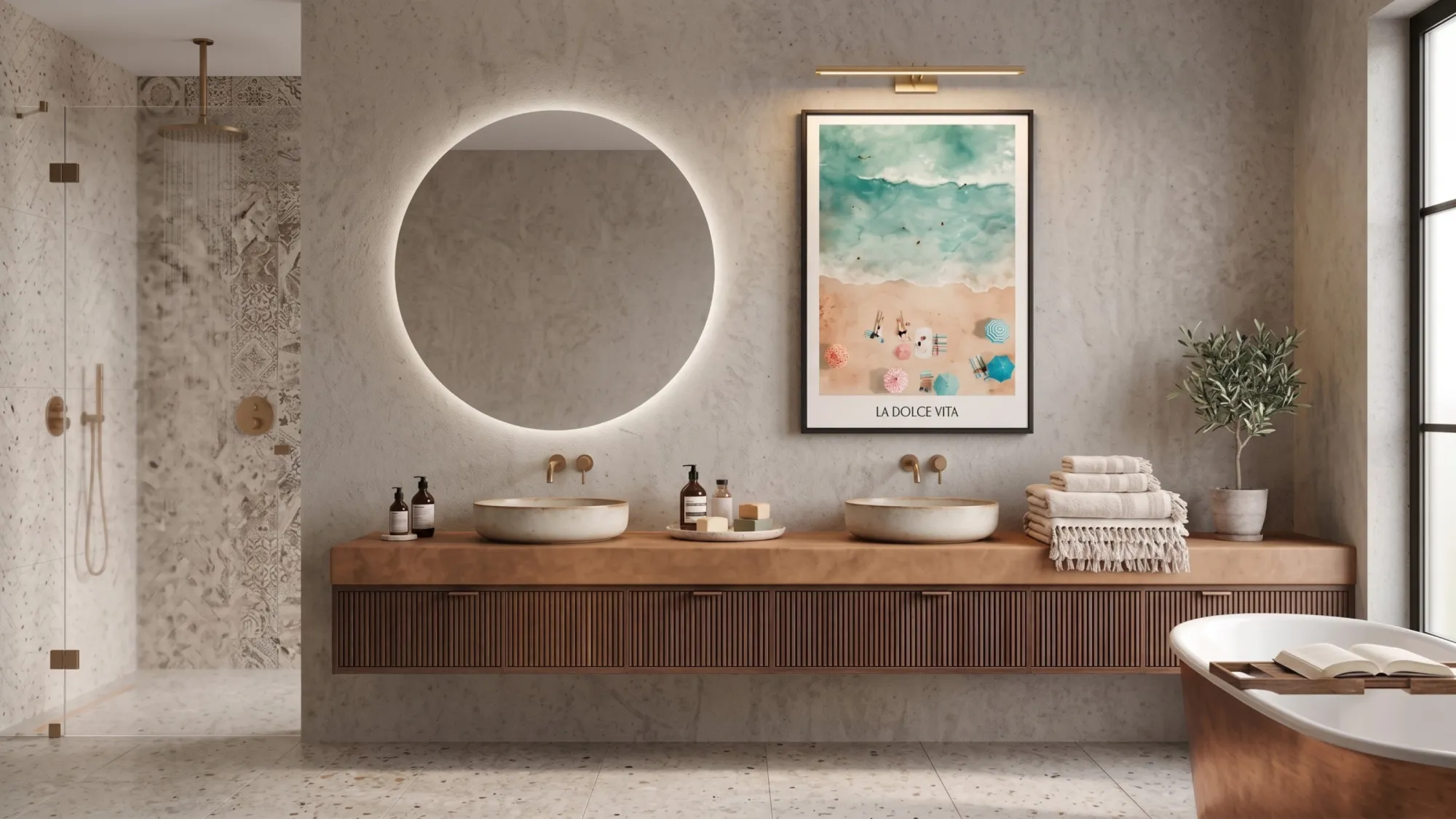
Queensland bathrooms have a look and feel that’s hard to replicate anywhere else—bright, coastal, and practical enough to handle months of heat and humidity. The trick isn’t chasing trends; it’s finding balance between clean lines, airflow, and materials that age well. Lately, many homeowners have been rethinking how to bring that relaxed, resort-like atmosphere into their own homes through smart layouts and natural textures. It’s why bathroom design Gold Coast has become such a common talking point among renovators and designers across the region. Whether it’s opening up a small ensuite with frameless glass, or swapping tiles for softer tones that reflect the local light, the focus for 2025 is on spaces that feel open, grounded, and quietly refined. The goal isn’t extravagance—it’s function that still feels fresh years down the track.
Coastal layouts that stay easy to live with
A layout that respects light and water flow will outlast any fad. Start by choosing the longest sightline—often from the door to a back wall—and keep that path as visually clear as possible. Position the shower at the far end with a single glass pane or a door-and-inline setup so the room reads wider.
- Use porcelain or vitrified tiles with low porosity for walls and floors near splash zones.
- Specify corrosion-resilient fittings (316 stainless where feasible) for channels, hinges, and handles.
- Plan storage to keep benchtops clear—pull-out vanity bins, mirrored cabinets, and an in-shower niche.
- Duct the exhaust fan outside (not into the roof space) and allow for make-up air under the door.
On a Southport unit fit-out, we kept a 900 mm shower footprint but shifted it to the far wall and replaced the nib with a fixed pane. The room didn’t grow, yet movement through the space felt calmer and cleaning got simpler.
Glass, lighting and ventilation that open up space
Frameless or slenderly framed glass is still the easiest visual win for smaller rooms. The trick is pairing it with lighting that avoids glare and with ventilation that moves steam quickly.
- Layer light: soft indirect LEDs under the vanity, task lighting at eye level, and a ceiling light on a separate switch.
- Choose low-reflectance finishes near mirrors so you’re not squinting every morning.
- Where privacy allows, use a louvre or awning window to create cross-flow with the fan running.
- Keep hardware minimal to reduce visual noise—think slim channels and discreet wall brackets.
In a Palm Beach townhouse, splaying the mirror up by a few centimetres and adding a dimmable strip under the vanity took the edge off night-time glare while keeping enough light for safe footing.
Planning and compliance that avoid rework
Renovations run smoother when compliance and timing line up from the start. It’s worth getting familiar with the basics of home renovation standards Australia early, so your plans, materials, and contractor approvals all stay on the right side of local regulations. These frameworks aren’t about red tape—they’re what keep waterproofing, ventilation, and drainage consistent across projects, whether you’re refreshing an ensuite in Palm Beach or reworking a family bathroom in Nerang.
- Confirm wet-area substrates and membrane type before tile selection (large-format tiles need careful falls).
- Note linear drain placement on drawings and set out the gradient early so door clearances and thresholds work.
- Ensure licensed trades handle regulated plumbing work, including any relocation of wastes or vents.
- Lock in ventilation sizing and duct paths before the ceiling goes back.
A tidy drawing set saves on site chats and helps different trades line up their tolerances—especially around set-downs for curbless entries.
Storage and surfaces that handle humidity
Queensland humidity pushes materials harder. Rather than avoiding texture, choose finishes that look warm while staying practical day to day.
- Consider a timber-look veneer vanity with a moisture-resistant substrate and sealed edges.
- Use a textured tile (with an appropriate slip rating) on the shower floor for traction without rough cleaning.
- Keep grout narrow and opt for an epoxy where it makes sense—less staining, easier upkeep.
- Add a second towel rail or hook set away from the shower plume so gear actually dries.
One Mermaid Waters ensuite swapped a single deep vanity for a shallower unit plus a tall cabinet. The basin centred better under the mirror, the walkway widened by a touch, and storage was finally where hands reach for it.
Showroom checks that speed up decision-making
Digital research can stall when every spec sheet looks similar. Getting hands on full-size displays helps confirm door swings, clearances, and hardware feel. If your host site maintains an internal explainer on local displays, linking readers to nearby options can nudge stalled projects forward—especially for those comparing screen styles, rails, and nib alternatives. When you need a succinct anchor for that internal resource, consider a contextual reference to bathroom showrooms brisbane to frame what to look for when inspecting glass edges, hinge action, and seal quality in person.
- Test door resistance and return to assess hinge tuning and long-term feel.
- Check glass edge finishing; clean arrises reduce chipping risk.
- Confirm the real footprint of corner vs inline layouts with tape in hand.
- Compare channel vs clip mounting and how each meets the tile line.
Hands-on time trims indecision and clarifies where a frameless pane works versus where a semi-framed option might make more sense for splash control.
Curbless showers, drainage and waterproofing
Level entries are popular for accessibility and a cleaner look. They also place more emphasis on how water moves across the floor.
- Decide early whether your drain sits along the back wall or near the entry; each option changes set-down depth.
- Mix tile sizes: large format on walls and a smaller format on the shower floor to keep falls even.
- Protect penetrations—around mixers and outlets—with gaskets and sealants compatible with your membrane.
- Keep shower hardware light so the eye runs unbroken from wall to wall.
At a Broadbeach apartment, swapping from a centre waste to a back-wall linear drain simplified the falls and reduced splash at the entry by shifting water away from traffic.
Choosing a screen style that matches your plan
The type of screen you choose will shape how your bathroom feels and functions day to day. A well-fitted frameless panel can open up the room, while a semi-framed option offers just a touch more splash protection. It often helps to look through a clear and simple frameless shower screen guide before finalising your layout, especially to understand how glass thickness, hinge placement, and door swing affect both cleaning and movement.
- Fixed panel (walk-in) suits long, narrow rooms with good fall to the back wall.
- Door-and-inline works when you need better splash control in tighter widths.
- Corner entry reduces door swing but needs careful seal alignment.
- Hardware choice—clip vs channel—affects cleaning lines and visual weight.
Choosing with the floor plan in hand keeps aesthetics and function pulling in the same direction.
Final thoughts
Queensland bathrooms reward clear planning, honest materials, and ventilation that actually moves air. If you sketch the layout around the longest sightline, decide early on drainage and membrane details, and keep fixtures simple, you’ll land a space that stays calm under daily steam. Warm minimal finishes add comfort without busyness; a few measured decisions around glass, storage and lighting do the heavy lifting. When you are ready to firm up choices, revisit your notes, confirm falls on the drawing, and coordinate lead times so trades can work in sequence. That way the bathroom you pictured—light, tidy, and easy to maintain—meets the reality of everyday use.





















Sign in to leave a comment.