




More work is involved in finding the perfect three-ring binder. When there are plenty of options, it may be hard for us to decide where to begin.
It is natural to think about the price and find the least expensive option to complete the job.
However, the price is only one factor. And there are other things like thickness and type of ring that affect the right three-ring binder for the job. Making a decision based on the price can have a negative effect on your brand.
If you plan to use your binders for a presentation and distribute them to potential clients, having one that isn\'t suitable for the job could be quite embarrassing.
It\'s essential to consider the following five factors to make sure you\'ve chosen the perfect three-ring binder, whether you are going with big or small 3 ring binders. Keep reading for a deeper understanding of these aspects and beyond.
- Size and Capacity:
The very first thing while considering the 3-ring binder to think about what this three-ring binder will be used for. For instance, if you are using it for presentation then your requirements will be quite different than if you are looking something than can help you organize your business. It is where you can go with plain, view binder.
However, if you are thinking about considering the presentation, you need to consider a binder that has branding printed on it, which can accommodate an insert on the front.
A flexible or poly binder might be a good choice, if you travel a lot, use a lot, and need something durable and easy to carry.
- Ring style:
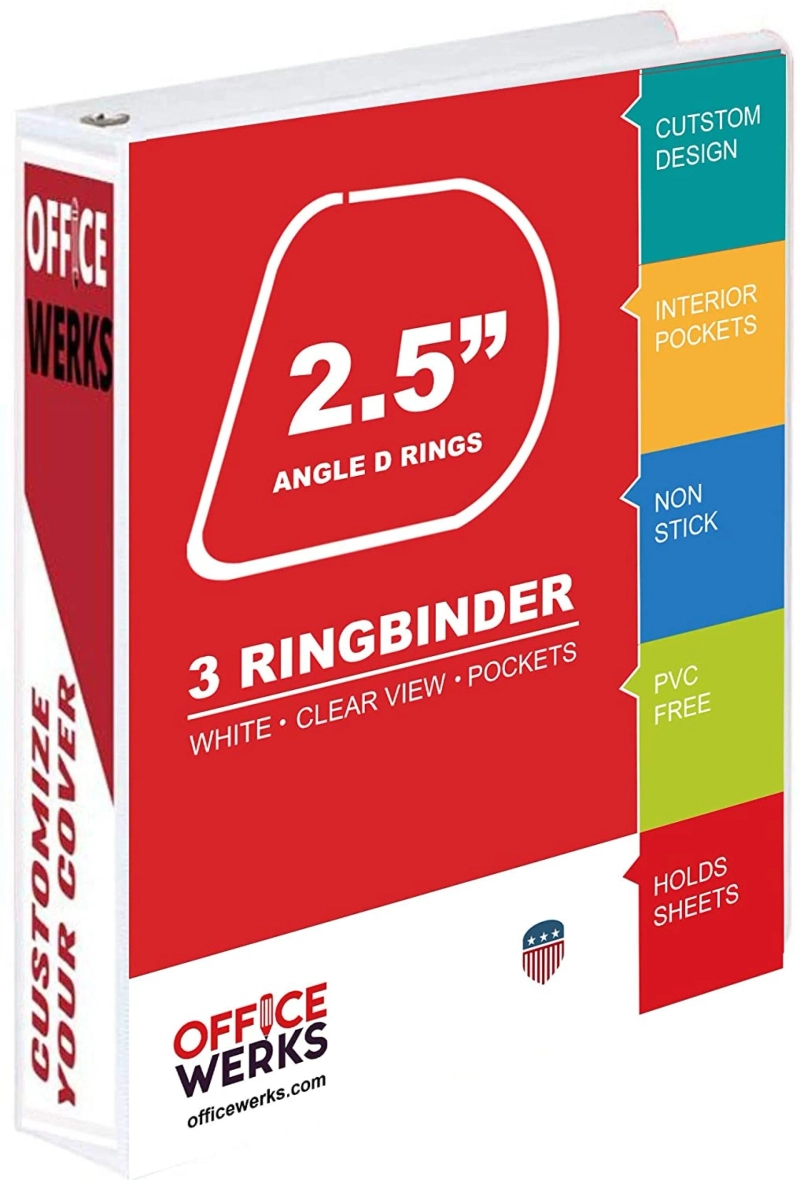
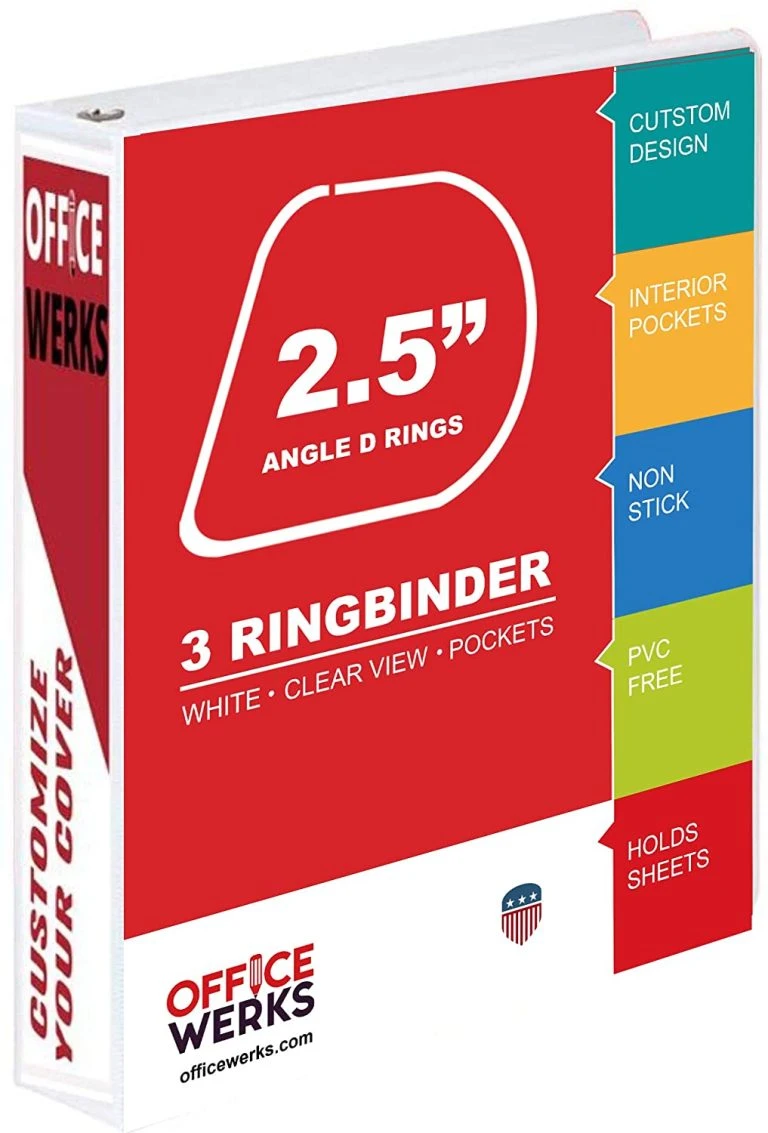
Let\'s now discuss the type of rings. Ring binders typically come in two standard styles: the O-ring and the D-ring. An O-ring is better suited for smaller documents and binders due to its design. While O-rings are the most prevalent, they have a lower sheet capacity compared to D-rings. Opting for a D-ring may be necessary for larger projects. The D-ring on the back cover makes it easier to handle the binder and reduces strain on the pages.
Connect Ring Binder Depot If you are looking for perfect binders. Check out our collection of 3-inch 3-ring binders and find the perfect solution for your organizational needs today!
- Thickness of the ring size
The next thing that you need to consider is the thickness you need. So, when considering the thickness of a binder, it\'s important to focus on the size of the rings rather than the width or thickness of the spine.
Sizes vary from ½ inch to 4 inches. The thickness required depends on the number of sheets you plan to place in the binder. A smaller binder with a ½-inch spine might be suitable for organizing a few documents or presentations. On the other hand, a larger 4-inch binder would be better suited for storing extensive reports or large projects.
- Covers
Once you have made up your mind about thickness, the next thing you need to focus on is the type of cover. Some binders have a plain vinyl wrap, while others have a clear vinyl overlay.
Each of these binders is reinforced by a piece of chipboard on the front and back covers. It\'s important to note that chipboards in less expensive models found at big-box stores may not offer the same level of durability.
Each of these binders is reinforced by a piece of chipboard on the front and back covers. It\'s important to note that chipboards in less expensive models found at big-box stores may not offer the same level of durability.
On the other hand, there are binders with a poly or plastic cover that is more flexible and doesn\'t require chipboard support. These binders are ideal for traveling and other situations where flexibility is valued.
- Colors:
One important thing to keep in mind is whether the color of the binder needs to align with a corporate logo or promotional theme. There are many colors to choose from, even though white, black, and navy blue are common.
Three-ring binders come in various color options and provide you the flexibility to select a color that resonates with the message you intend to convey.
Conclusion:
There is more to think about than just the price when picking out the right three-ring binder. We hope that the above points will help you choose the perfect binder for your needs. Visit Ring Binder Depot to get the right binder the first time to avoid headaches. We provide innovative and quality solutions to improve your workplace experience. Order today.
For more read click>>>Factors to Consider When Choosing a Three-Ring Binder
FAQ: Choosing the Perfect Three-Ring Binder
1. Why should I consider factors beyond price when selecting a three-ring binder?
While price is important, it\'s not the only factor to consider when choosing a three-ring binder. Factors like size, ring style, thickness, covers, and colors can significantly impact the suitability of the binder for your specific needs. Opting for the cheapest option without considering these factors could lead to issues such as poor durability, inadequate capacity, or a lack of suitability for your intended use, potentially reflecting poorly on your brand or causing embarrassment, especially in professional settings like presentations.
2. How do I determine the right size and capacity for my three-ring binder?
Consider the intended use of the binder. If it\'s for presentations, you might need a binder with branding options and insert capabilities. For organizational purposes, a plain or view binder might suffice. Additionally, if you travel frequently and require durability and portability, a flexible or poly binder could be ideal. Matching the size and capacity to your specific needs ensures functionality and efficiency.
3. What\'s the difference between O-ring and D-ring binders, and which should I choose?
O-ring binders are suitable for smaller documents due to their design, while D-ring binders offer higher sheet capacities, making them ideal for larger projects. Consider the volume of documents you\'ll be storing and the ease of handling when deciding between the two styles.
4. How do I determine the appropriate thickness for the binder\'s rings?
Focus on the size of the rings rather than the spine thickness. Sizes range from ½ inch to 4 inches, with the appropriate thickness depending on the number of sheets you plan to store. Smaller binders are suitable for organizing a few documents, while larger binders are ideal for extensive reports or large projects.
5. What are the different types of covers available, and how do they impact durability?
Binders may have plain vinyl wraps, clear vinyl overlays, or poly/plastic covers. Chipboard reinforcement provides durability, but less expensive models may lack this feature. Poly or plastic covers offer flexibility and durability, making them suitable for travel and other situations where resilience is crucial.