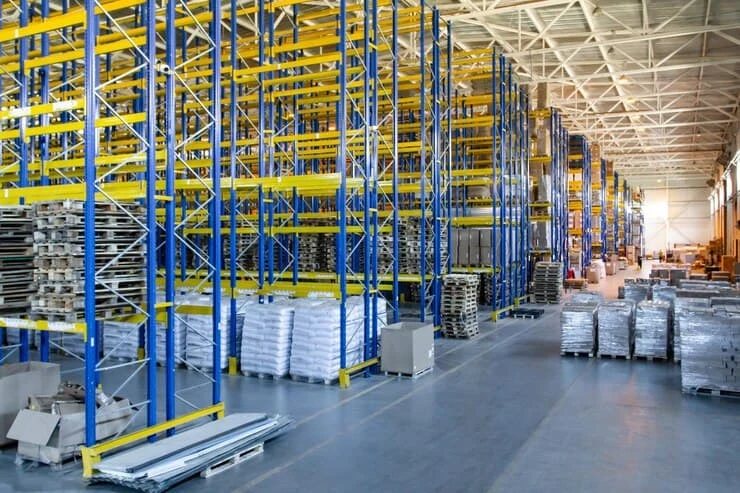

Industrial pallet racking systems form the backbone of efficient warehouse storage across many industries. They are designed to store palletised goods safely while maximising the use of available space and supporting smooth material handling operations. As warehouses face increasing pressure to handle higher volumes, faster turnaround times, and stricter safety requirements, choosing the right industrial pallet racking systems has become more important than ever. A clear understanding of how these systems work, the different types available, and the factors that influence their performance can help businesses build storage environments that are efficient, safe, and adaptable.
Understanding Industrial Pallet Racking Systems
Industrial pallet racking systems are heavy duty storage structures engineered to support pallet loads at various heights. They allow goods to be stored vertically, making better use of floor space while maintaining organised access. These systems are commonly used in warehouses, distribution centres, manufacturing facilities, and cold storage environments.
The primary goal of industrial pallet racking systems is to improve storage efficiency without compromising safety or accessibility. Different designs achieve this goal in different ways, offering varying balances between storage density, selectivity, and operational speed. Selecting the most suitable system depends on how products are stored, moved, and retrieved on a daily basis.
The Role of Pallet Racking in Warehouse Operations
Pallet racking systems play a vital role in warehouse operations by defining storage layout and influencing workflow. The choice of racking affects forklift movement, picking efficiency, stock visibility, and overall productivity. Well planned industrial pallet racking systems support faster operations, reduced handling time, and better inventory control.
Key Components of Industrial Pallet Racking Systems
All industrial pallet racking systems are built from a combination of core components that work together to provide strength and stability. Understanding these components helps explain how racking systems perform under load.
Upright Frames
Upright frames are the vertical columns that support the structure. They are anchored to the warehouse floor and designed to carry the weight of stored pallets. The height and load capacity of upright frames vary depending on the system design and application.
Beams and Supports
Beams connect the upright frames and provide horizontal support for pallets. In some systems, additional supports are used to accommodate different pallet sizes or non standard loads. Beams must be correctly rated for load capacity to ensure safe operation.
Safety Accessories
Safety accessories are an essential part of industrial pallet racking systems. These may include upright protectors, end of aisle barriers, pallet backstops, and load notices. These features help reduce damage from forklift impact and ensure operators are aware of safe load limits.
Types of Industrial Pallet Racking Systems
There are several types of industrial pallet racking systems available, each designed to suit specific storage and operational requirements. Understanding the main system types helps businesses choose the most appropriate solution.
Selective Pallet Racking Systems
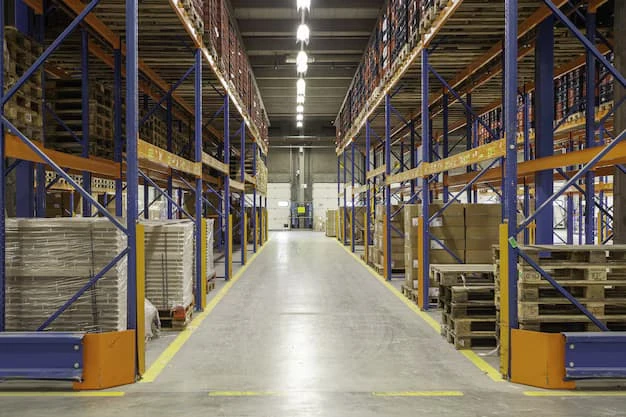
Selective pallet racking systems are among the most commonly used. They provide direct access to every pallet, making them ideal for warehouses with a large number of stock keeping units and frequent picking activity. While they offer excellent accessibility, they require more aisle space, which reduces overall storage density.
High Density Pallet Racking Systems
High density industrial pallet racking systems are designed to maximise storage capacity by reducing aisle space. These systems are well suited to bulk storage environments where product variety is limited and large quantities of similar items are stored together. They prioritise space efficiency over selectivity.
Narrow Aisle Racking Systems
Narrow aisle systems reduce aisle width to increase storage capacity while maintaining good access to pallets. These systems require specialised handling equipment but allow warehouses to achieve higher density without moving to fully high density storage methods.
Choosing the Right Industrial Pallet Racking Systems
Selecting the right industrial pallet racking systems requires a thorough assessment of operational needs and constraints. There is no single solution that suits every warehouse, so careful planning is essential.
Analysing Product Characteristics
Product size, weight, and packaging play a major role in racking selection. Pallets must fit securely within the racking system and be supported safely at every level. Variations in pallet dimensions or load weight may require customised solutions to maintain safety and efficiency.
Understanding Stock Movement and Turnover
How often products move in and out of storage influences which industrial pallet racking systems are most suitable. Warehouses with fast moving goods and frequent picking benefit from systems with high selectivity. Facilities that store large volumes of slow moving or uniform products may prioritise storage density instead.
Warehouse Layout and Space Considerations
The physical characteristics of the warehouse have a significant impact on racking design. Floor space, ceiling height, building columns, and access points all influence which systems can be installed effectively.
Maximising Vertical Space
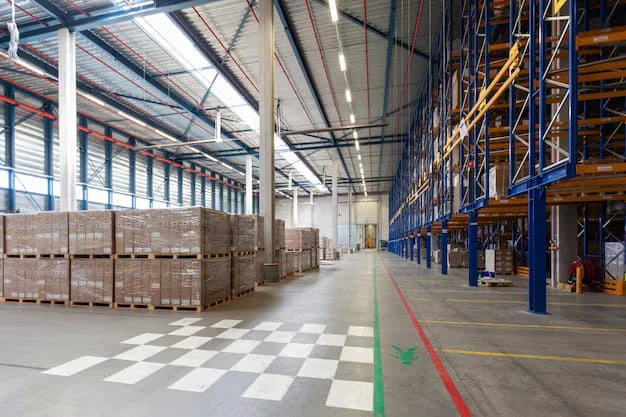
One of the key advantages of industrial pallet racking systems is their ability to utilise vertical space. By storing pallets at height, warehouses can increase capacity without expanding floor area. Proper design ensures that vertical storage is safe and accessible using suitable handling equipment.
Aisle Width and Equipment Compatibility
Aisle width must be compatible with the forklifts or reach trucks used in the warehouse. Narrower aisles allow for higher storage density but require precise operation and specialised equipment. Ensuring compatibility between racking and handling equipment is essential for smooth operations.
Safety and Compliance in Industrial Pallet Racking Systems
Safety is a critical consideration in the design and operation of industrial pallet racking systems. Racking structures must be capable of supporting intended loads and resisting impacts from handling equipment.
Clear load signage, proper anchoring, and the use of protective accessories all contribute to a safer environment. Regular inspections help identify damage early and prevent minor issues from developing into serious hazards.
Importance of Regular Inspections
Industrial pallet racking systems should be inspected routinely to ensure they remain in good condition. Visual checks by warehouse staff can identify obvious damage, while periodic professional inspections provide a more detailed assessment of structural integrity. Maintaining racking in good condition supports both safety and operational efficiency.
Improving Operational Efficiency with the Right System
The right industrial pallet racking systems can significantly improve warehouse efficiency. By reducing travel distances, improving stock visibility, and supporting organised storage, racking systems influence how smoothly daily operations run.
Efficient layouts reduce forklift congestion and improve picking speed. Clearly organised pallet locations help staff locate products quickly, reducing delays and errors. Over time, these improvements contribute to higher throughput and lower operating costs.
Supporting Inventory Management Systems
Modern warehouses often use warehouse management systems to track stock locations and movements. Industrial pallet racking systems that are well organised and clearly labelled integrate more effectively with these digital tools, improving accuracy and control.
Cost Considerations and Long Term Value
While cost is an important factor when selecting industrial pallet racking systems, it should not be the only consideration. The lowest initial cost may not deliver the best long term value.
High quality racking systems offer better durability, safety, and adaptability. They may require a higher upfront investment but often result in lower maintenance costs and longer service life. Evaluating total cost of ownership helps businesses make more informed decisions.
Planning for Future Growth
Warehouses rarely remain static. Product ranges change, volumes increase, and operational processes evolve. Industrial pallet racking systems that can be expanded or reconfigured provide greater long term flexibility. Planning for future growth at the design stage helps avoid costly changes later.
Installation and Ongoing Management
Proper installation is essential to the performance of industrial pallet racking systems. Accurate layout planning, correct assembly, and secure floor fixing ensure the system performs as intended.
Once installed, ongoing management plays a key role in maintaining efficiency and safety. Staff training, clear operating procedures, and regular inspections all contribute to reliable operation.
Training and Awareness
Warehouse personnel must understand safe loading practices, weight limits, and correct pallet placement. Well trained staff are less likely to cause damage and more likely to operate efficiently. Training supports both safety and productivity.
Adapting Industrial Pallet Racking Systems to Different Industries
Industrial pallet racking systems are used across many sectors, from manufacturing and retail distribution to food storage and cold environments. Each industry has unique requirements that influence racking design.
In cold storage, maximising density helps reduce energy costs. In manufacturing, easy access to components supports production efficiency. Industrial pallet racking systems can be tailored to meet these specific needs, making them highly versatile.
Conclusion
Industrial pallet racking systems are a fundamental element of efficient warehouse design. By providing structured, safe, and space efficient storage, they support smooth operations and effective inventory management. Understanding the different types of systems, key design considerations, and long term operational factors allows businesses to make informed choices.
When carefully selected, installed, and maintained, industrial pallet racking systems deliver lasting value through improved efficiency, enhanced safety, and better use of available space. They provide a strong foundation for warehouse operations and support business growth in an increasingly demanding logistics environment.























Sign in to leave a comment.