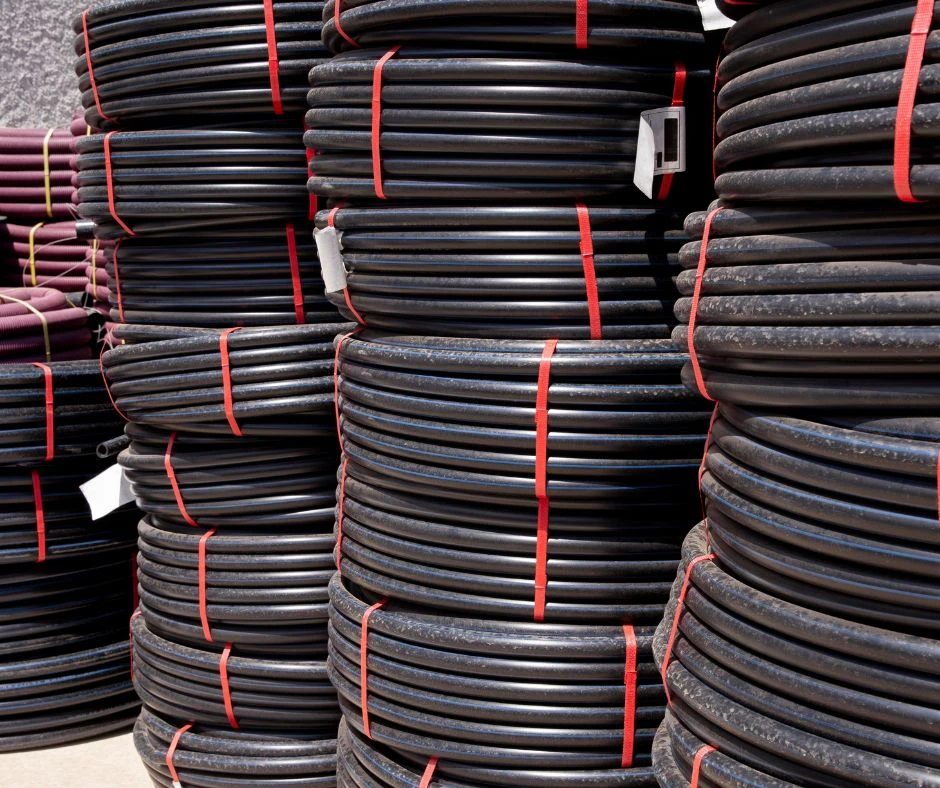

In the intricate realm of plumbing, constant innovation drives the search for solutions that are not only efficient but also durable. One such innovation that emerged in the late 1990s and early 2000s is the Kitec composite pipe, a plumbing system that combines a flexible aluminum core with an inner layer of cross-linked polyethylene (PEX). This comprehensive guide aims to take a deep dive into the composition, installation process, benefits, and potential concerns associated with Kitec composite pipes, offering a thorough understanding for homeowners and plumbing professionals alike.
Understanding the Composition:
At the heart of Kitec composite pipes lies a distinctive combination of materials, each contributing to the pipe\'s overall performance:
Aluminum Core: The aluminum core, known for its flexibility and strength, acts as the backbone of Kitec pipes. This component provides stability, ensuring the pipe resists kinking and allows for a smooth flow of water. Additionally, the aluminum core boasts corrosion-resistant properties, enhancing the durability of the plumbing system.
Cross-Linked Polyethylene (PEX): Surrounding the aluminum core is an inner layer of cross-linked polyethylene (PEX). This layer not only adds to the flexibility of the pipe but also brings corrosion resistance to the table. PEX is recognized for its ability to withstand high temperatures, making Kitec pipes suitable for a wide range of applications, including both hot and cold water systems.
Installation Made Easy:
One of the standout features of Kitec composite pipes is their ease of installation, owing to the unique combination of materials:
Flexibility: The aluminum-PEX combination provides a high degree of flexibility, allowing for easy maneuvering during installation. This flexibility proves particularly advantageous when navigating tight spaces and intricate plumbing configurations.
Reduced Fittings: The flexibility of Kitec pipes minimizes the need for numerous fittings and connectors, simplifying the installation process. This reduction in fittings not only streamlines the installation but also decreases the likelihood of potential weak points in the plumbing system.
Fitting Systems: Kitec pipes typically employ crimping or compression fitting systems, making the installation process relatively straightforward for plumbing professionals. These fitting systems contribute to the overall efficiency and reliability of the plumbing system.
Benefits of Opting for Kitec Composite Pipes:
Corrosion Resistance: The corrosion-resistant properties of the aluminum core make Kitec pipes a durable choice. This resistance ensures that the plumbing system maintains its integrity over time, even in corrosive environments.
Flexibility in Installation: The combination of aluminum and PEX provides a high degree of flexibility, allowing for efficient installation in tight spaces. This flexibility is a significant advantage, particularly in retrofitting or remodeling projects.
Cost-Effectiveness: Kitec composite pipes are often considered cost-effective compared to traditional plumbing materials. The ease of installation further contributes to overall cost savings, making them an attractive option for both homeowners and professionals.
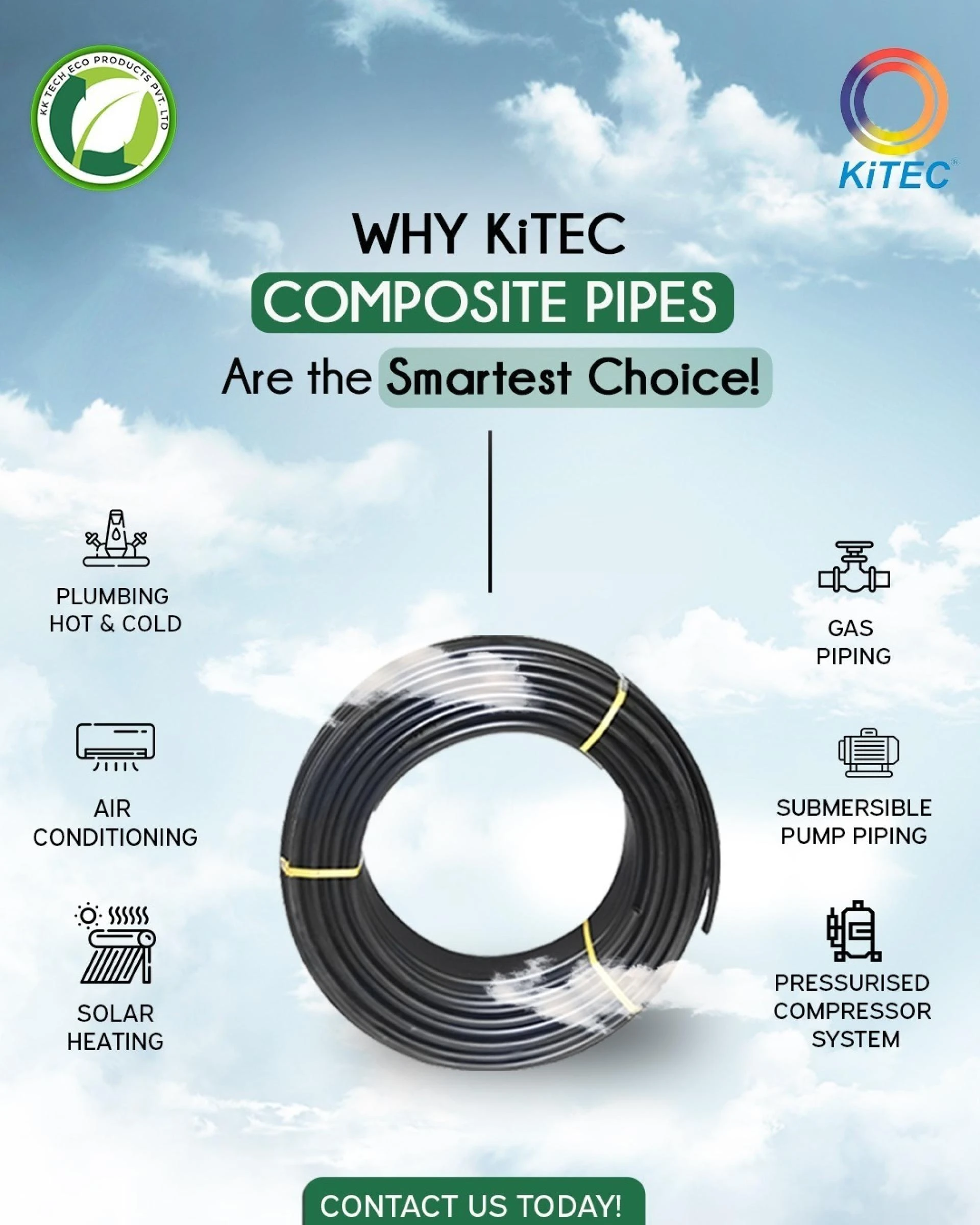
High Temperature Tolerance: The cross-linked polyethylene component enables Kitec pipes to withstand high temperatures, expanding their versatility for applications involving both hot and cold water.
Lightweight Nature: The lightweight construction of Kitec pipes simplifies transportation and installation. This characteristic reduces the physical strain on installers, making the overall installation process more manageable.
Potential Concerns and Challenges:
While Kitec composite pipes offer numerous benefits, they have not been immune to challenges, leading to scrutiny within the plumbing community and raising concerns among homeowners:
Corrosion of Fittings: Reports have surfaced regarding the susceptibility of brass fittings used in Kitec systems to corrosion. This corrosion may compromise the overall performance of the plumbing system, leading to leaks and potential water damage.
Lawsuits and Recalls: In the mid-2000s, a series of lawsuits and recalls were initiated due to reported failures of Kitec plumbing systems. These incidents prompted homeowners and professionals to reevaluate the long-term reliability of these pipes and consider alternative plumbing solutions.
Degradation over Time: Some observations suggest that Kitec pipes may degrade over time, potentially resulting in failures and leaks. The long-term effects of environmental factors, water chemistry, and other variables on the materials used in Kitec pipes remain a topic of concern.
Conclusion:
Kitec composite pipes have undeniably made a significant impact on the plumbing industry, offering a blend of flexibility, cost-effectiveness, and corrosion resistance. However, the concerns surrounding potential issues, such as corrosion, degradation, and historical incidents, have prompted increased caution among homeowners and plumbing professionals alike. It is crucial to weigh the benefits against potential risks and make informed decisions based on individual circumstances.
Regular inspections, proactive maintenance, and awareness of potential issues are key components of ensuring the longevity and reliability of Kitec plumbing systems. As with any plumbing material, staying informed about the latest developments, industry standards, and potential challenges is paramount for making educated decisions that align with both short-term goals and long-term durability.
In the ever-evolving landscape of plumbing materials, Kitec composite pipes remain a viable option for various applications. However, diligent consideration of potential concerns and adherence to best practices in installation and maintenance are essential to maximizing the benefits of this innovative plumbing solution.





























Sign in to leave a comment.