
When it comes to hiring in the healthcare sector, ensuring safety, transparency, and trust is essential. This is where background screenings play an important role. While many employers rely on standard checks, the healthcare industry in Florida requires something more comprehensive known as the AHCA Background Check. Understanding how it differs from regular screenings helps applicants and employers stay compliant and prepared.
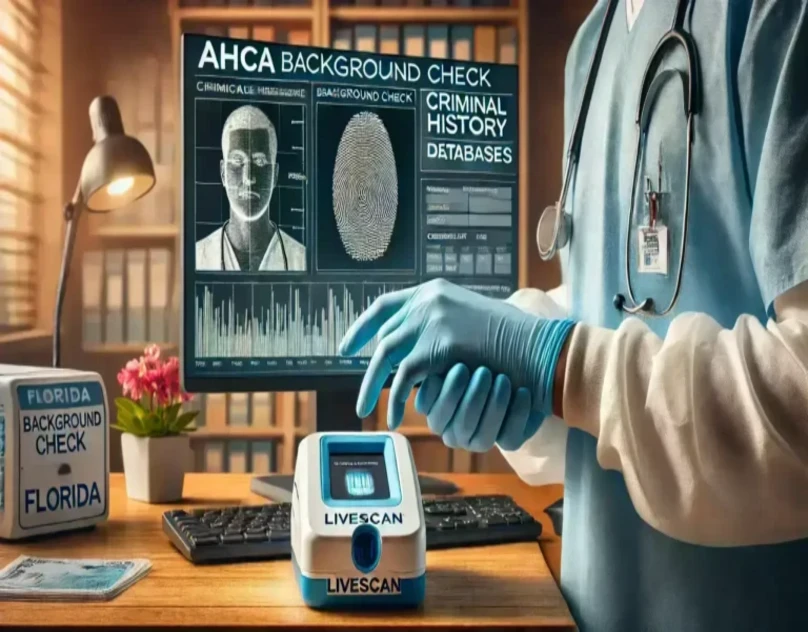
Standard background checks typically include verification of identity, employment history, education, and criminal records from state or local databases. These checks offer a general overview of a candidate’s past behavior and qualifications. They are suitable for many industries but often do not meet the stringent requirements of Florida’s healthcare regulations.
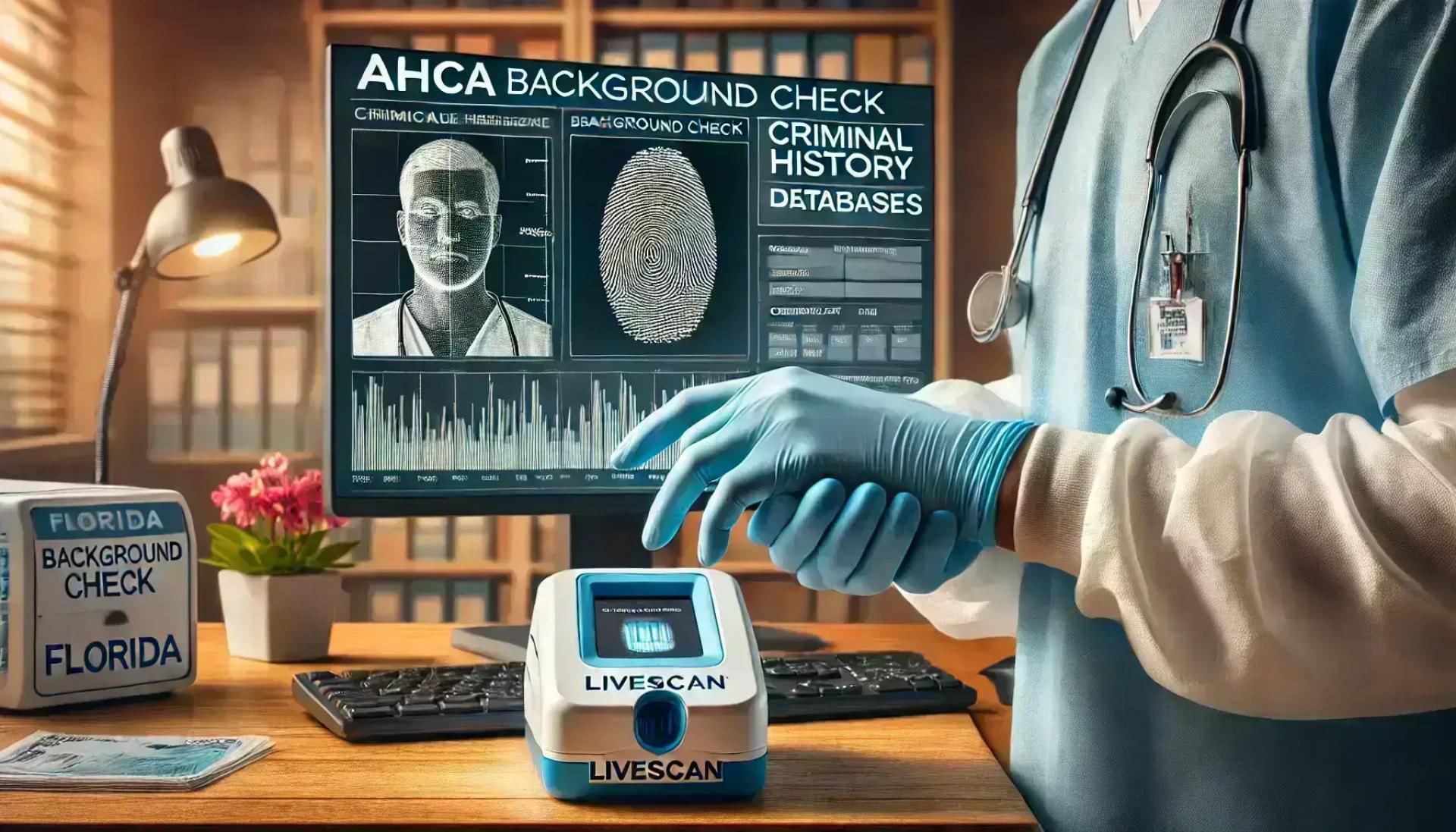
In contrast, the AHCA Background Check is a Level 2 screening mandated for individuals working in healthcare facilities regulated by the Agency for Health Care Administration. This screening is far more detailed and deeply connected with safety-sensitive roles. It is required for professionals such as nurses, caregivers, home health aides, and anyone having direct access to vulnerable adults or patients.
One of the key differences lies in database access. Standard screenings are limited to state-level criminal records, while AHCA checks involve national-level databases, cross-checking information with the FBI fingerprinting system. This ensures that even out-of-state offenses are identified, providing a more accurate and reliable assessment of an applicant’s history.
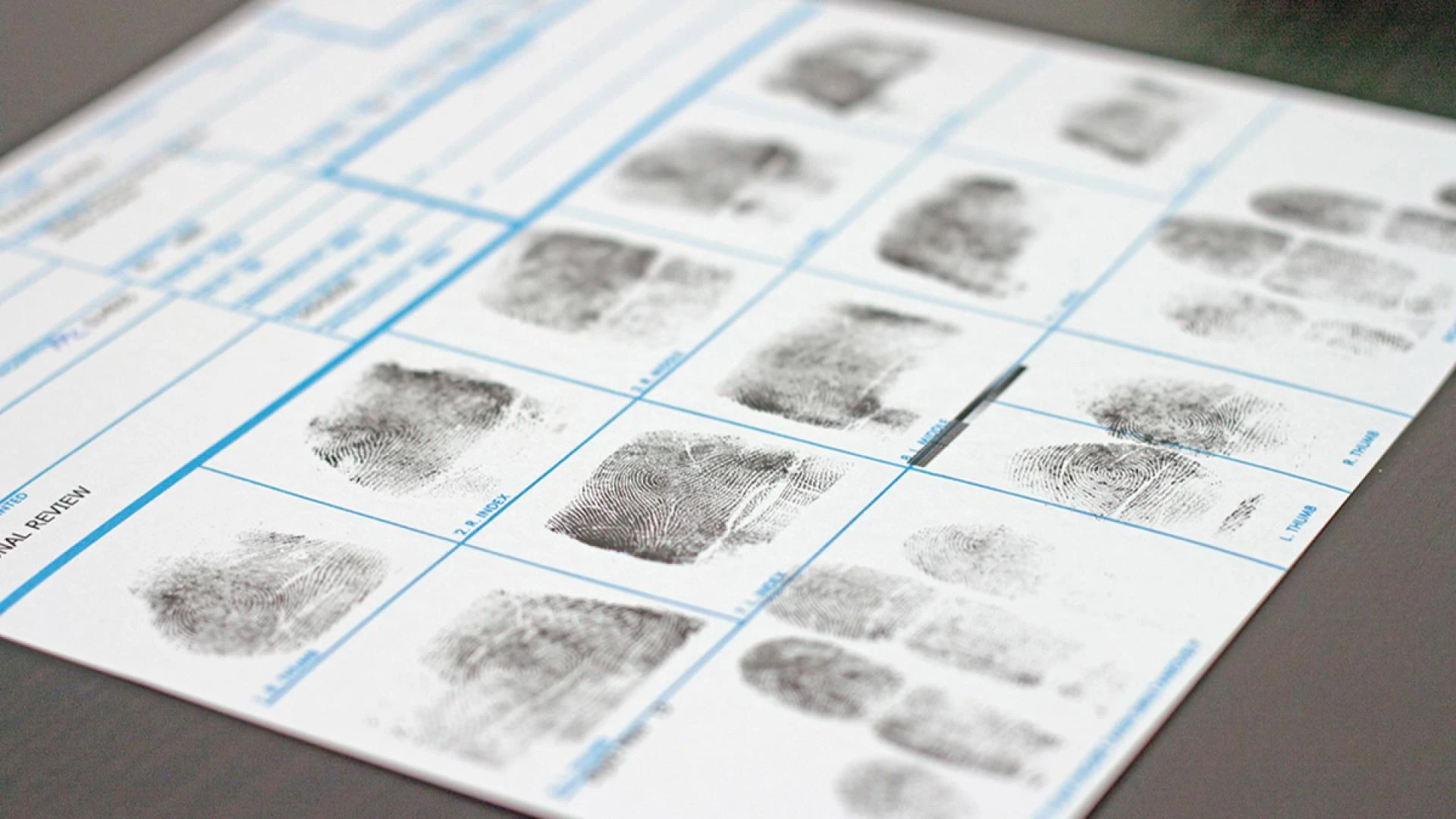
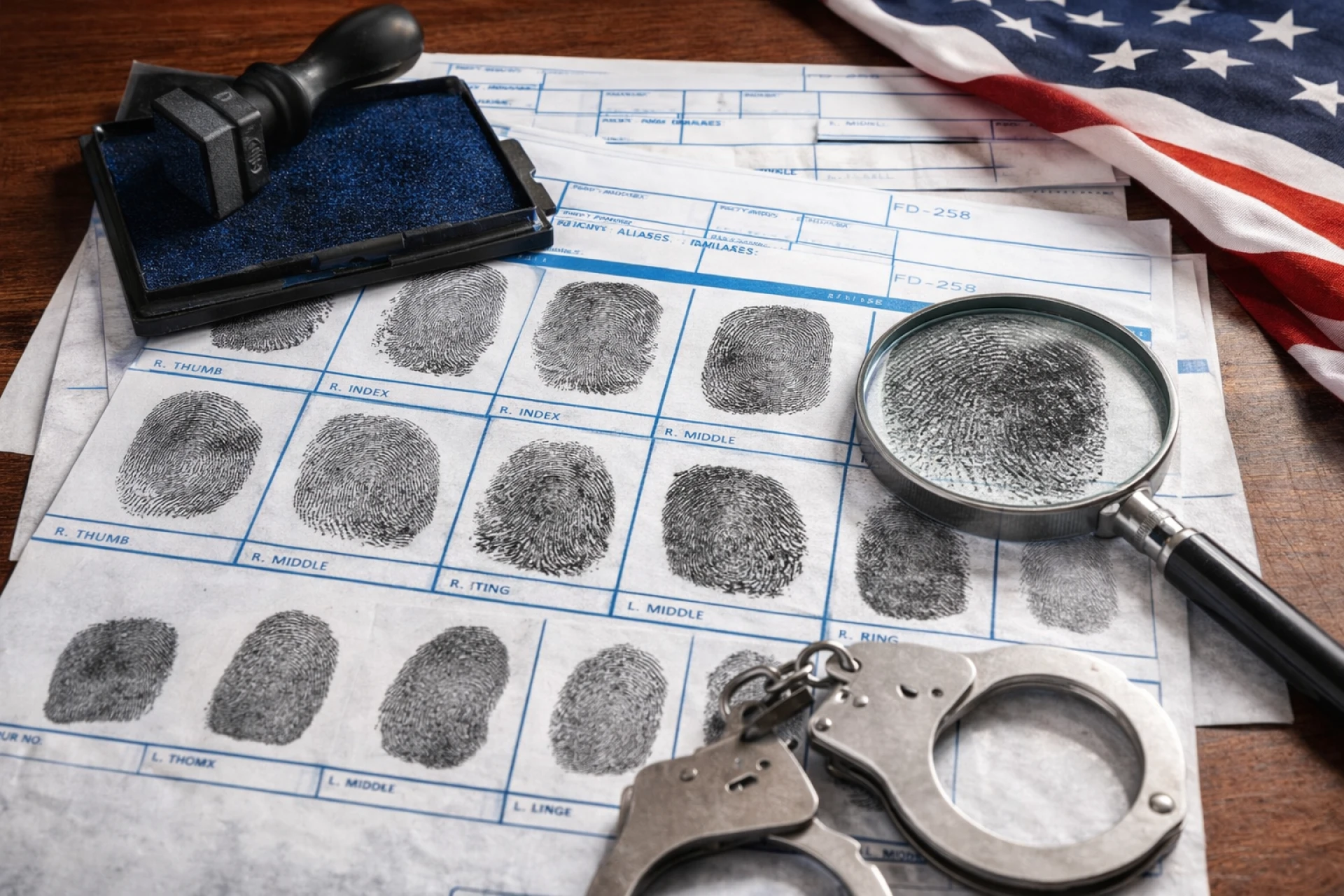
Another distinction is the biometric requirement. Standard checks do not usually require fingerprints, relying instead on personal information provided by the applicant. AHCA screenings, on the other hand, require applicants to submit digital fingerprints, which are then sent to state and federal agencies for verification. This biometric layer significantly reduces identity fraud and enhances screening accuracy.
Processing and compliance expectations also differ. Standard checks can be completed quickly because they check fewer sources. AHCA screenings may take slightly longer, but they offer higher credibility and meet Florida’s statutory requirements for healthcare roles. Employers who fail to use AHCA-compliant screenings risk penalties and operational issues.
Ultimately, the choice between standard background checks and AHCA screenings depends on job requirements and legal obligations. For any role that interacts with patients or handles sensitive healthcare tasks, AHCA screening is not optional; it is a must. This ensures that healthcare facilities maintain the highest level of trust and safety for everyone involved.
Choosing a reliable fingerprinting and background screening provider can make the process smooth and stress-free. For fast, secure, and compliant AHCA Background Check and FBI fingerprinting services, consider working with National LiveScan Fingerprinting.
FAQs
1. Who needs an AHCA Background Check?
Anyone working in Florida healthcare facilities regulated by AHCA, including home health aides, CNAs, nurses, caregivers, and administrative staff with access to patient information.
2. How does AHCA screening differ from a standard background check?
AHCA screenings include Level 2 fingerprint-based checks, national record searches, and FBI verification, while standard checks are mostly name-based and limited to state databases.
3. Is FBI fingerprinting required for an AHCA Background Check?
Yes. FBI fingerprinting is part of the AHCA Level 2 screening process to ensure national-level criminal history verification.





















Sign in to leave a comment.