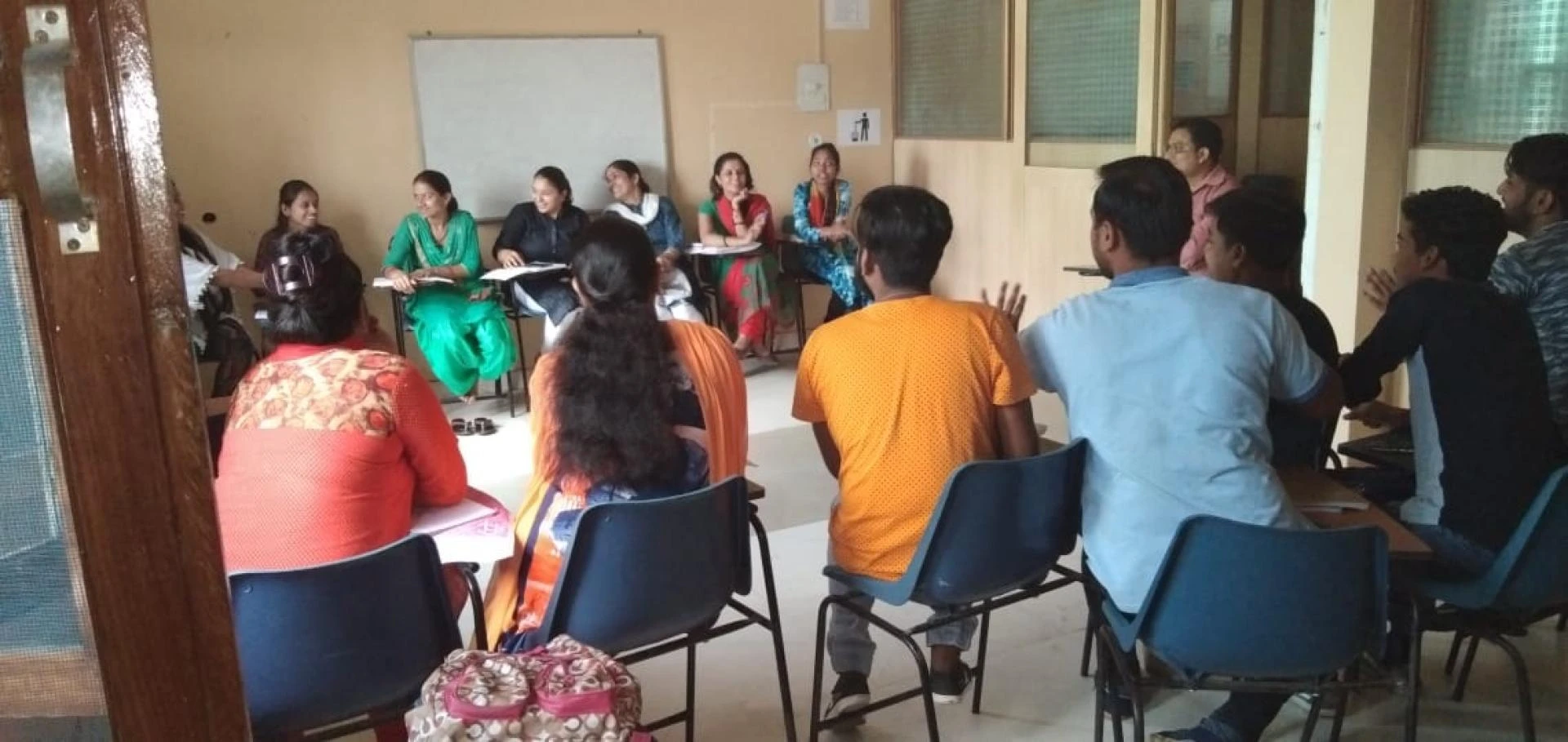

The labor market of India is changing fast, and industries now require workers who are able to integrate academic learning with practical knowledge. That's where the apprenticeship training program plays a transformative role. It is designed to give people practical experiences of learning with a structure based on the National Apprenticeship Promotion Scheme (NAPS), which equips them with current workplace challenges.
What was formerly limited to factory floors is now being spread to a variety of industries, including IT and finance, as well as healthcare, hospitality and office management- providing a national movement in favor of skill-based learning.
The Shift Beyond Manufacturing
In India, traditionally, factories, machinery, and production lines were related to apprenticeships. That is, however, not the case with NAPS. With this program, the manufacturing and services sectors are in a position to hire apprentices and get government assistance in their application. Employers receive up to 25% of the stipend (up to 1,500 INR per apprentice per month), which means that it is a cost-effective way to train people in a real-world setting.
Not only is it beneficial to the employers, but it also makes the youth more empowered with practical exposure that complements the learning in classrooms.
Developing the Workforce of the Service Sector
One of the sectors that contributes a large part of the GDP of India is the service industry, which requires a highly skilled and flexible workforce. Customer care executives and hotel staff, to data entry operators and marketing assistants, are all service-based positions, and traditional degrees do not always provide real-world experience.
Through the apprenticeship training program, companies in the services industry can create structured learning environments that allow apprentices to learn by doing. This assists in minimizing the cost of training and high retention rates after the apprentices become full-time workers.
Growing Opportunities in Office and Administrative Work
Among the most liberal features of NAPS, there is the fact that not every skill-building occurs on the factory floors. The contemporary economy is also dependent on office jobs, which require excellent administrative, digital, and communication skills.
Employers can now hire apprentices for roles in accounting, HR, data management, or office coordination through the apprenticeship training program. As businesses increasingly adopt hybrid or remote work models, the opportunity to train administrative apprentices online is also gaining traction.
Technology-Driven Apprenticeships
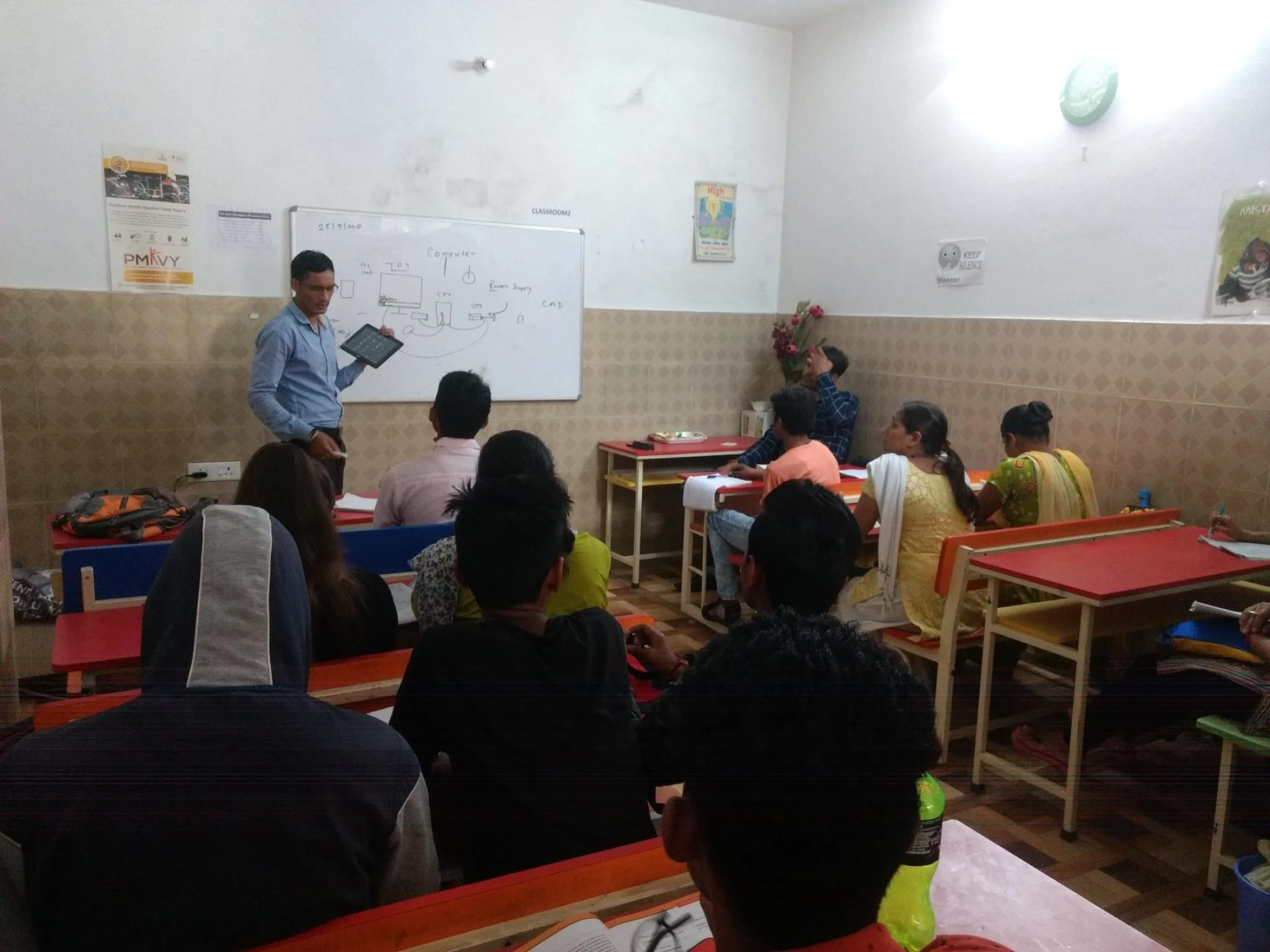
The digital transformation of workplaces has encouraged the rise of the apprenticeship program online, where theoretical instruction and skill development modules are delivered through virtual platforms. The model is applicable to a multi-location company and allows the apprentices to learn at their own pace and to practice their knowledge in practical environments.
The blended learning approach is particularly successful in technology-based and service companies where technical skills and the capacity to work remotely are crucial.
Conclusion
The NAPS apprenticeship training program has changed India's approach to skill development. It has expanded into the service sector and office work so that everyone can access learning opportunities. Nowadays, as more companies adopt the digital apprenticeship program, they can prepare apprentices for the workforce no matter where the apprentices reside.
This is a win-win situation, as it helps a company run successful programs to create competent employees, while also providing young people with the skills and resources they need for future work.


























Sign in to leave a comment.