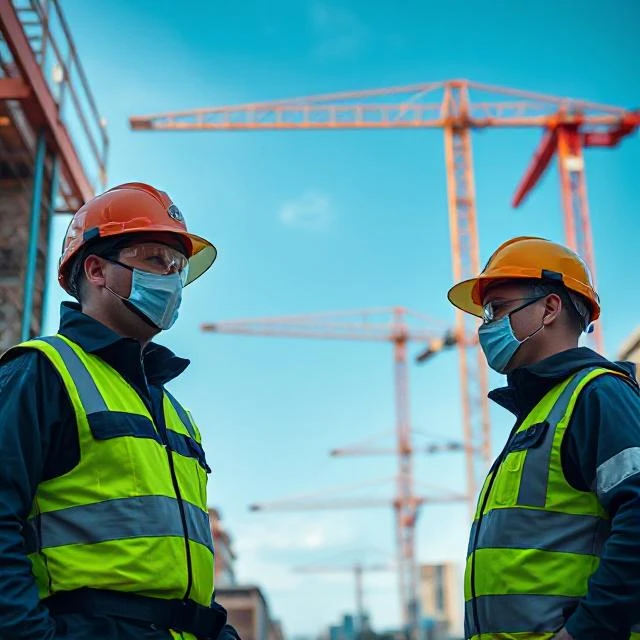

Construction sites are magnets for theft, vandalism, and unauthorized access. With millions of dollars in equipment, materials, and machinery at stake, site managers face mounting pressure to protect their assets while keeping workers safe. But here's the question that keeps project leaders up at night: Are construction security guards actually required by law, or are they just a costly precaution? Understanding the legal landscape around site security isn't just about compliance—it's about protecting your investment, maintaining insurance coverage, and avoiding devastating liability claims that could shut down your project indefinitely.
What Does the Law Actually Say About Construction Site Security?
The legal requirements for security personnel on building sites vary significantly depending on your location, project size, and contract specifications. In most jurisdictions, there's no blanket federal law mandating security guards at every construction site. However, several regulations indirectly create security obligations that professional guards help fulfill.
OSHA regulations require employers to provide safe working environments, which include controlling site access and preventing hazards from unauthorized visitors. Local building codes often mandate perimeter fencing, lighting, and access control measures—all of which security personnel help enforce. Additionally, many municipalities require security plans as part of permit applications for projects exceeding certain values or footprints.
Insurance carriers frequently make security provisions a condition of coverage. Your policy might not explicitly require guards, but failing to implement reasonable security measures could void claims related to theft or vandalism. Contract language with property owners or general contractors often includes specific security requirements that become legally binding once you sign.
When Security Guards Become a Legal Necessity?
Certain project types trigger mandatory security requirements. Government contracts, especially federal projects, typically require credentialed security personnel as part of site access protocols. High-rise construction in urban centers often faces municipal mandates for 24/7 security coverage to protect neighboring properties and pedestrians.
Projects storing hazardous materials, explosives, or high-value equipment may face regulatory oversight requiring documented security measures. Historical renovation sites and projects near schools or residential areas frequently encounter conditional permits that specify security staffing levels and patrol schedules.
Beyond Legal Compliance: The Risk Management Reality
Even when not legally mandated, professional security guards provide protection that directly impacts your bottom line. Construction theft costs the industry billions annually, with power tools, copper wiring, and heavy machinery topping the target list. A single theft incident can delay timelines, trigger insurance deductibles, and damage client relationships.
Liability concerns extend beyond stolen property. If trespassers injure themselves on your site, you could face costly lawsuits regardless of "no trespassing" signs. Security personnel create documented evidence of reasonable care, significantly strengthening your legal defense. They also prevent vandalism that could compromise structural integrity or create safety hazards for your crew.
Choosing Between Different Security Approaches
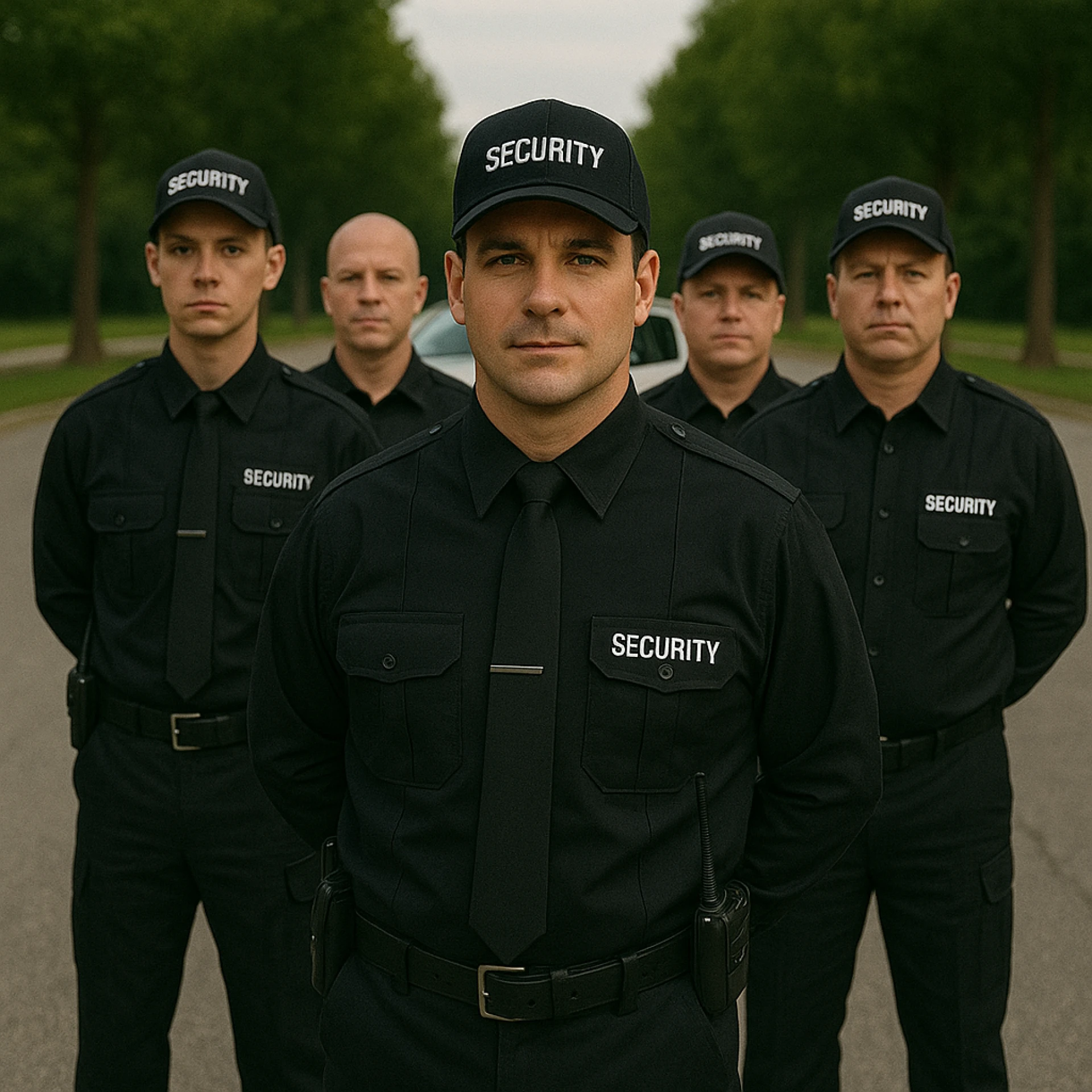
Not every project requires uniformed guards stationed at gates. Some sites effectively use mobile patrol services, where security professionals make scheduled rounds throughout the night. Others implement remote monitoring systems with alarm response protocols tied to local security companies.
The decision hinges on your specific risk profile. Remote sites with limited equipment might rely on technology-based solutions, while urban projects with multiple access points and high-value materials typically need on-site personnel. Many contractors discover that combining approaches—security guards during active hours with surveillance systems overnight—provides optimal protection without inflated costs.
Consider factors like neighborhood crime statistics, equipment value density, project duration, and accessibility when evaluating security needs. Short-term projects might justify different approaches than multi-year developments.
Making Security Work for Your Project Budget
Professional security guards represent an investment, not just an expense. Calculate the cost against potential losses from theft, vandalism, insurance premium increases, and project delays. Many contractors find that security expenses amount to less than one percent of total project costs while protecting significantly larger investments.
Look for security providers experienced in construction environments who understand the unique challenges of building sites. They should offer flexible scheduling, incident documentation, and integration with your existing safety protocols. Verify licensing, insurance coverage, and training credentials before signing contracts.
Protecting your construction site isn't just about following rules—it's about smart risk management that keeps projects on schedule and budgets intact. Whether legally required or strategically chosen, construction security guards provide tangible value that extends far beyond compliance checkboxes. Evaluate your specific project risks, review your contracts carefully, and implement security measures that match your exposure level. The peace of mind alone often justifies the investment, but when theft or liability issues arise, proper security becomes the difference between minor inconvenience and major financial disaster.

























Sign in to leave a comment.