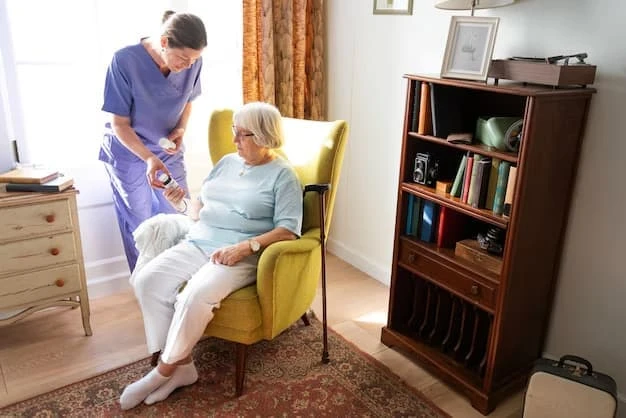

As individuals age, maintaining independence while ensuring safety and comfort becomes increasingly important. Assisted living services provide a supportive environment where seniors can receive the help they need with daily activities while preserving dignity and autonomy. These services combine professional care, structured routines, social engagement, and health monitoring to enhance quality of life. By offering personalized assistance tailored to each resident’s needs, assisted living services create a safe, comfortable, and fulfilling living experience for older adults.
Understanding Assisted Living Services
Assisted living services are designed to support seniors who may need help with everyday tasks but do not require full-time medical care. These services focus on providing assistance with activities of daily living, promoting social engagement, and ensuring physical and emotional well being.
Who Benefits from Assisted Living Services
Seniors who experience mobility limitations, chronic conditions, cognitive decline, or difficulty with daily activities benefit from assisted living services. These services are also ideal for individuals who wish to maintain independence while receiving professional support in a safe and comfortable environment.
Scope of Services
Assisted living services typically include help with bathing, dressing, grooming, medication management, meal preparation, housekeeping, and transportation. Additional support may include social and recreational activities, wellness programs, and specialized care for cognitive or physical impairments.
Ensuring Safety in Assisted Living
Safety is a top priority in assisted living environments. Professional caregivers implement measures to reduce risks, provide supervision, and create a secure living space for residents.
Fall Prevention and Mobility Support
Caregivers assist with walking, transferring, and navigating stairs or other obstacles. Environmental modifications, such as handrails, non-slip flooring, and adequate lighting, are implemented to minimize the risk of falls.
Emergency Response and Monitoring
Assisted living services include systems for monitoring residents’ safety and responding quickly to emergencies. Trained staff are available around the clock to provide immediate assistance when needed.
Medication Management
Proper medication administration is critical for health and safety. Caregivers monitor and provide reminders for medications, track adherence, and coordinate with healthcare professionals to prevent complications.
Promoting Comfort and Well Being
Comfort in assisted living encompasses physical, emotional, and social dimensions. Services are designed to create a welcoming environment where residents feel supported, respected, and engaged.
Personalized Care Plans
Individualized care plans ensure that each resident receives support tailored to their unique needs, preferences, and health requirements. Personalized care promotes comfort, autonomy, and a sense of security.
Comfortable Living Spaces
Assisted living facilities provide well-maintained private or semi-private living areas, designed to be safe and accessible. Comfortable furnishings, appropriate lighting, and organized layouts enhance the daily living experience.
Emotional and Social Support
Caregivers provide empathetic interaction and encourage social engagement through group activities, recreational programs, and community involvement. Social connection reduces isolation, enhances emotional health, and contributes to overall life satisfaction.
Assistance with Daily Living
One of the primary goals of assisted living services is to support residents in performing daily tasks safely and efficiently.
Personal Care Assistance
Caregivers help with bathing, dressing, grooming, toileting, and hygiene, ensuring residents maintain dignity and comfort. Assistance is provided in a way that encourages independence whenever possible.
Meal Preparation and Nutrition
Proper nutrition is essential for health and well being. Assisted living services provide balanced meals, accommodate dietary restrictions, and assist with eating if needed, promoting overall wellness.
Housekeeping and Maintenance
Clean and organized living spaces contribute to comfort and safety. Caregivers provide housekeeping services, laundry assistance, and routine maintenance, allowing residents to focus on activities and social engagement.
Health and Wellness Support
Maintaining physical health is an integral part of assisted living services. Caregivers and staff provide health monitoring, wellness programs, and coordination with healthcare providers.
Regular Health Assessments
Routine monitoring of vital signs, mobility, and overall health helps detect changes early. Care plans are adjusted as needed to support continued well being and prevent complications.
Physical Activity and Exercise
Assisted living services incorporate exercise programs suitable for residents’ abilities. Physical activity promotes mobility, flexibility, balance, and overall physical health.
Coordination with Healthcare Providers
Caregivers collaborate with doctors, therapists, and other healthcare professionals to ensure residents receive comprehensive care. Timely communication and follow-up support adherence to medical plans and treatment.
Social and Recreational Engagement
Engagement in meaningful activities supports emotional health, cognitive function, and overall quality of life. Assisted living services provide opportunities for residents to socialize, learn, and pursue hobbies.
Group Activities and Programs
Organized activities such as arts and crafts, games, music, and educational programs foster social interaction, stimulate the mind, and encourage creativity.
Community Involvement
Residents are encouraged to participate in community events, outings, and volunteering opportunities. Engagement with the broader community enhances purpose and a sense of belonging.
Cognitive Stimulation
Memory exercises, puzzles, and interactive activities are incorporated to maintain cognitive function and mental alertness. Tailored programs ensure that residents are challenged appropriately without causing frustration.
Supporting Families
Assisted living services not only benefit residents but also provide support for family members, helping them navigate caregiving responsibilities.
Respite and Relief
Family members can trust that their loved one is receiving professional care, allowing them time for personal responsibilities, rest, or work without compromising their loved one’s safety and comfort.
Guidance and Communication
Staff keep families informed about residents’ health, activities, and well being. This transparency and guidance allow families to participate in care decisions and feel confident in the level of support provided.
Peace of Mind
Knowing that a loved one is safe, cared for, and engaged in a supportive environment provides reassurance to families and strengthens relationships.
The Importance of Professional Training
Effective assisted living services rely on caregivers trained in safety protocols, health monitoring, behavioral management, and compassionate support. Their expertise ensures that residents receive high quality care in all aspects of daily life.
Safety and Emergency Preparedness
Trained caregivers are equipped to respond quickly to medical emergencies, falls, or unexpected health changes, ensuring timely intervention and minimizing risk.
Communication and Emotional Support
Professional caregivers use effective communication strategies to engage residents, provide reassurance, and support emotional well being. Empathetic interaction fosters trust and strengthens relationships.
Promoting Independence
By balancing assistance with opportunities for self reliance, trained caregivers help residents maintain autonomy, confidence, and a sense of purpose in daily living.
Conclusion
Assisted living services provide a comprehensive approach to promoting safety, comfort, and overall well being for seniors. Through personalized care plans, supportive routines, social engagement, and professional guidance, these services enhance quality of life while preserving independence and dignity. Families seeking reliable and compassionate assisted living support can trust the dedication and expertise offered through AMT Homecare.

































Sign in to leave a comment.