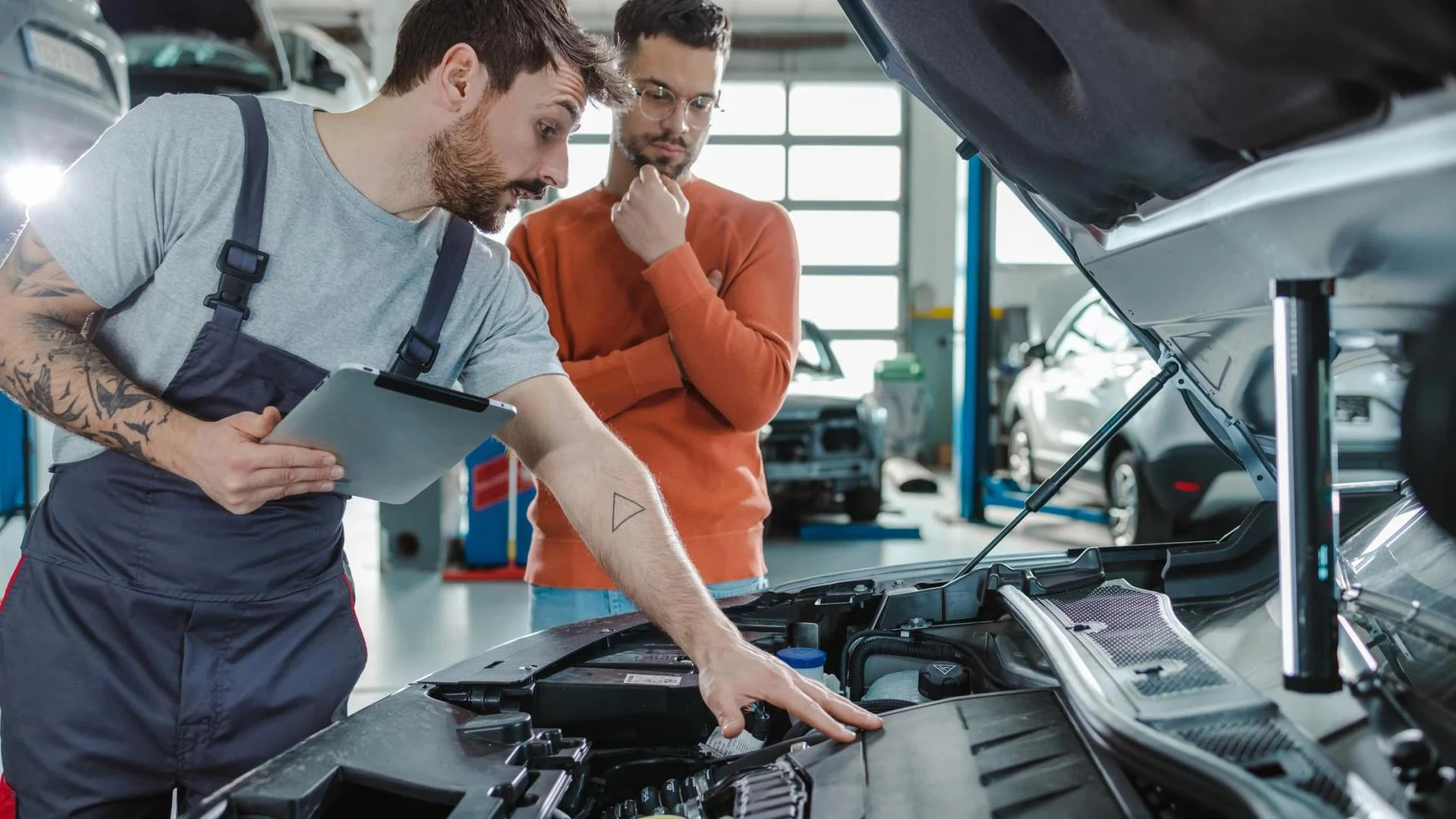

Running an auto repair shop is more than fixing vehicles—it's about managing people, time, parts, and expectations. A streamlined, well-managed shop not only improves productivity but also boosts profits and customer satisfaction. This guide provides practical, high-impact strategies to enhance your auto repair management and transform your garage into a seamless, efficient operation.
Organize Your Workflow: Streamline Daily Operations
Efficiency begins with structure. A chaotic repair schedule leads to missed deadlines, frustrated customers, and lost revenue. Implement a consistent workflow from vehicle intake to final inspection.
Tips to Improve Workflow:
- Use digital check-in systems to reduce front desk bottlenecks.
- Assign tasks based on technician strengths and certifications.
- Create and regularly update repair timelines for each vehicle.
- Limit vehicle "dead time" in bays by managing parts and approvals in advance.
Invest in Auto Repair Management Software
Strong auto repair management software is the foundation of any efficient shop today. It centralizes customer data, job tracking, inventory, and payments, eliminating the need for multiple tools or manual spreadsheets.
Benefits:
- Real-time vehicle status updates
- Automatic service reminders
- Digital vehicle inspections (DVI)
- Accurate parts and labor tracking
- Integration with accounting platforms
Some popular platforms include Shop-Ware, Mitchell1, Tekmetric, and AutoLeap.
Manage Your Inventory Smarter
An organized parts room saves time and reduces job delays. With the right inventory management software, you'll always know what's in stock, what's needed, and what's costing you money.
Best Practices:
- Use barcode scanners for real-time tracking
- Set low-stock alerts and auto-reorder settings
- Rotate parts based on shelf life and usage frequency
- Track supplier performance to avoid delays
Improve Technician Productivity
Happy, efficient technicians make a happy, profitable shop. Improving their workspace and processes can make a huge difference.
How to Support Your Team:
- Offer ongoing training and certifications (like ASE)
- Invest in proper tools and equipment
- Measure productivity metrics (flagged hours vs. clocked hours)
- Reduce distractions with clear job assignments and dedicated repair bays
Enhance Customer Communication
Today's customers expect transparency and convenience. Keep them informed and ensure their service experience is smooth from start to finish.
Customer Experience Enhancers:
- Send status updates via text or email
- Offer digital invoices and online payment options
- Use visual inspection tools (photos/videos of issues)
- Provide detailed estimates before work begins
Track KPIs to Drive Growth
You can't improve what you don't measure. Tracking Key Performance Indicators (KPIs) gives you insight into how your shop is performing and where to focus your energy.
Must-Track KPIs:
- Average Repair Order (ARO)
- Technician Efficiency
- Customer Retention Rate
- Comeback Rate
- Gross Profit Margin
Set weekly goals and regularly review results with your team.
Automate Where Possible
Automation reduces repetitive tasks, freeing up your team to focus on more valuable work.
Examples:
- Auto-schedule service reminders
- Pre-fill customer forms online
- Send follow-up surveys automatically
- Integrate systems (CRM, accounting, parts) into one platform
Create a Culture of Accountability
Efficient shops are built on trust and responsibility. Empower your staff to take ownership of their roles while holding them to high standards.
Strategies:
- Hold weekly team huddles
- Recognize top performers
- Address issues promptly and constructively
- Provide clear SOPs (Standard Operating Procedures) for every process
Conclusion:
Auto repair management doesn't have to feel like putting out fires all day. With the right systems, tools, and mindset in place, your shop can run like a machine—efficient, profitable, and stress-free.
































Sign in to leave a comment.